For most Houston homes, a heat pump is the smarter heating choice because our mild winters fall well within a heat pump's efficient operating range, and you get both heating and cooling from one system. Gas furnaces remain a solid option for homeowners with existing natural gas infrastructure who want dedicated heating power during rare cold snaps.
Choosing between a furnace and a heat pump is one of the most common questions we get from Houston homeowners planning a new heating system installation. The answer isn't the same here as it would be in Chicago or Denver. Houston's climate changes the math completely, and understanding why helps you make a decision you'll be happy with for the next 15 to 20 years.
Here's the short version: heat pumps win on efficiency and versatility for Houston. Gas furnaces win on raw heating power during extreme cold. Since Houston rarely experiences extreme cold, heat pumps have the edge in most scenarios. But your specific situation, including gas line availability, home layout, and comfort priorities, matters too.
How Each System Works (And Why It Matters for Houston)
Gas furnaces create heat by burning natural gas, while heat pumps move existing heat from outdoor air into your home. In Houston's mild winters, heat pumps operate at peak efficiency because they're pulling heat from 40-50°F outdoor air, not struggling against subzero temperatures.
Gas Furnaces: Combustion Heating
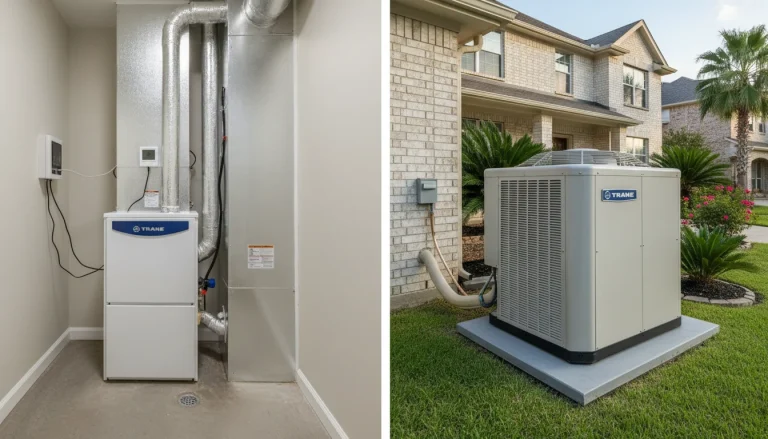
A gas furnace burns natural gas in a heat exchanger, warming air that's then distributed through your ductwork. Efficiency is measured by AFUE (Annual Fuel Utilization Efficiency). Modern furnaces range from 80% to 98.5% AFUE, meaning the best models convert nearly all their fuel into usable heat.
For Houston, gas furnaces offer reliable, immediate heat regardless of outdoor temperature. When the rare hard freeze hits, and temperatures drop into the teens or twenties, a gas furnace doesn't lose capacity. It produces the same heat output at 15°F as it does at 45°F. That consistency is a real advantage during events like the February 2021 freeze.
Heat Pumps: Moving Heat, Not Making It
Heat pumps work like an air conditioner in reverse during winter. They extract heat from outdoor air (yes, even cool air contains heat energy) and transfer it inside. Because they move heat rather than create it through combustion, they can deliver two to four times more heating energy per unit of electricity consumed. The DOE reports that air-source heat pumps can deliver up to two to four times more heat energy than the electrical energy they consume.
In Houston, heat pumps operate at their highest efficiency because our typical winter temperatures (40-55°F) provide plenty of outdoor heat for the system to work with. Heat pump efficiency only drops significantly below about 35°F, and Houston sees very few days below that threshold. When it does get that cold, electric backup heat strips activate to supplement the heat pump's output.
| Factor | Gas Furnace | Heat Pump |
| Heat source | Burns natural gas | Moves heat from outdoor air |
| Efficiency metric | 80-98.5% AFUE | 7.5-13+ HSPF2 |
| Houston winter performance | Full capacity at any temperature | Peak efficiency at 35°F+ (most Houston days) |
| Cooling capability | None (requires separate AC) | Built-in (reverses for summer cooling) |
| Fuel requirement | Natural gas line (CenterPoint) | Electricity only |
| Rare freeze performance | No capacity loss | May need backup heat strips below 35°F |
The Houston Math: Which System Makes More Financial Sense?
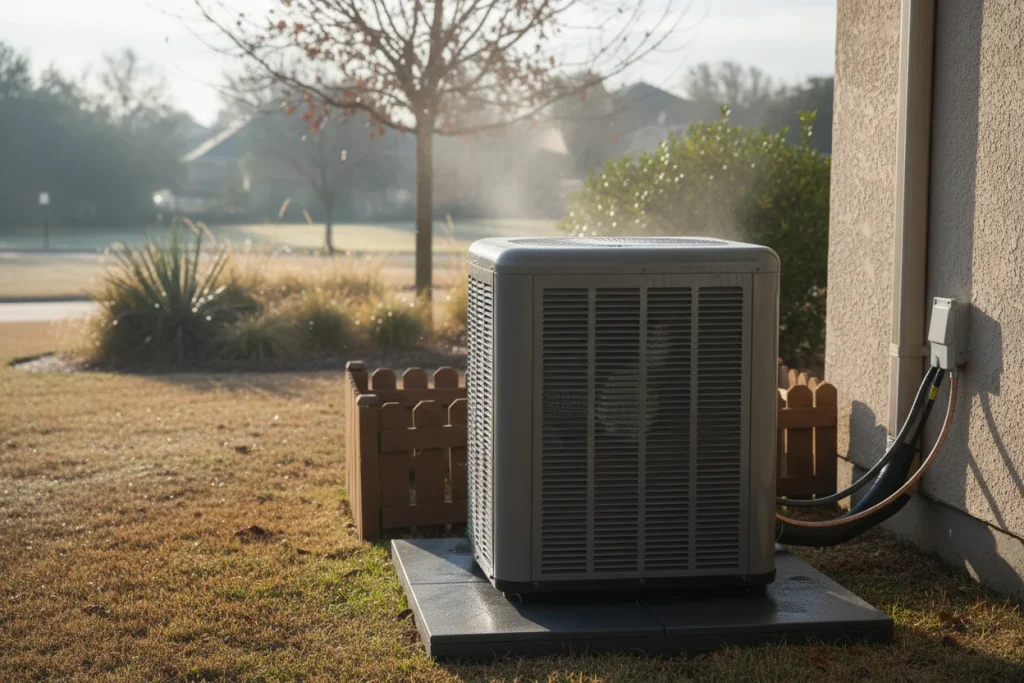
Heat pumps typically offer a lower total cost of ownership in Houston because they eliminate the need for a separate AC system, run on electricity alone, and operate at peak efficiency during our mild winters. Gas furnaces may have a lower upfront cost, but require a separate AC unit.
The financial comparison between furnaces and heat pumps in Houston hinges on a critical fact: your heating system runs a fraction of the hours your cooling system runs. Houston homes heat for roughly 400 to 600 hours annually, compared to 2,500+ hours of cooling. That means your heating fuel costs are relatively modest regardless of which system you choose.
Where heat pumps gain a significant financial advantage is in the combined system equation. A heat pump replaces both your AC and your furnace with a single system. A gas furnace also requires you to purchase, install, and maintain a separate AC unit for cooling. When you compare the total cost of a heat pump system with the combined cost of a furnace and an air conditioner, the heat pump often comes out ahead or very close.
Operating costs favor heat pumps, too. Houston's electricity rates and natural gas rates fluctuate, but heat pumps' superior efficiency (delivering 2-4x the heat energy per unit of electricity) generally keeps their operating costs competitive with natural gas, especially when you factor in the elimination of a gas utility connection fee.
- Heat pumps handle both heating and cooling from a single outdoor unit, reducing total equipment and installation costs.
- Gas furnaces require a separate AC system, adding equipment costs, maintenance requirements, and potential timing mismatches for replacement.
- Houston's low heating demand means the fuel cost difference between gas and electric heating is relatively small.
- Heat pump efficiency in Houston's mild winters is at its peak, maximizing the cost advantage over combustion heating.
| Cost Factor | Gas Furnace + AC | Heat Pump System |
| Equipment (heating) | Furnace only | A heat pump handles both |
| Equipment (cooling) | Separate AC required | Included in the heat pump |
| Installation complexity | Two systems, more components | Single system, simpler |
| Annual heating fuel cost | Natural gas (modest in Houston) | Electricity (efficient in mild climate) |
| Annual cooling cost | Same (AC efficiency dependent) | Same (heat pump cooling mode) |
| Maintenance | Two systems to maintain | One system to maintain |
When a Gas Furnace Still Makes Sense in Houston

Gas furnaces remain a practical choice for Houston homeowners who already have natural gas infrastructure, want maximum heating output during rare extreme cold events, or are replacing only the furnace in an existing split system where the AC is still functional.
Heat pumps aren't the right choice for every Houston home. If you already have a functioning air conditioning system that's only a few years old and your furnace needs to be replaced, installing a new furnace makes financial sense. Replacing a working AC just to switch to a heat pump adds unnecessary cost.
Homeowners who experienced the February 2021 freeze and prioritize maximum cold-weather heating power may also prefer a gas furnace. During sustained temperatures in the single digits or teens, heat pumps rely on backup electric heat strips, which are less efficient and were affected by the power grid challenges during that event. A gas furnace with a functioning gas line continued heating homes during the freeze, even when electricity was intermittent.
Dual fuel systems offer a middle ground. Pairing a heat pump with a gas furnace gives you the efficiency of heat pump heating during normal Houston winters and the raw heating power of gas during extreme cold. The system automatically switches between the two based on outdoor temperature. The tradeoff is a higher upfront equipment cost for a capability you'll use very rarely in Houston.
Key Takeaways
- Heat pumps are the stronger choice for most Houston homes because our mild winters keep them operating at peak efficiency, and they handle both heating and cooling.
- Gas furnaces deliver reliable heat at any temperature, making them valuable during rare extreme cold events, but they require a separate AC system for cooling.
- The financial comparison favors heat pumps when you account for the combined cost of heating and cooling equipment, installation, and maintenance.
- Houston's low heating demand minimizes the fuel-cost difference between gas and electricity, reducing the furnace's traditional cost advantage.
- Existing infrastructure matters. If you have a working AC and need only a furnace replacement, a furnace swap is the practical choice.
- Dual-fuel systems offer maximum flexibility but add cost for a capability that Houston rarely requires.
Frequently Asked Questions
Is a heat pump enough for Houston winters?
Yes. Houston's typical winter temperatures stay well above 35°F, which is the heat pump's efficient operating range. Backup heat strips handle the rare days that drop below freezing.
Do heat pumps work for both heating and cooling?
Yes. Heat pumps cool your home in summer and heat it in winter by reversing the refrigeration cycle. One system handles year-round comfort.
What is AFUE and why does it matter?
AFUE (Annual Fuel Utilization Efficiency) measures what percentage of fuel a furnace converts to heat. Higher AFUE means less wasted energy. An 80% AFUE furnace converts 80% of gas into heat.
What is HSPF2 and how does it apply to heat pumps?
HSPF2 (Heating Seasonal Performance Factor 2) measures heat pump heating efficiency over a season. Higher numbers mean better efficiency. Houston's mild winters maximize heat pump HSPF2 performance.
Can I switch from a furnace to a heat pump?
Yes, but the conversion may require electrical panel upgrades and outdoor unit pad preparation. Your contractor should evaluate your home's electrical capacity as part of the assessment.
Is a dual fuel system worth it in Houston?
Dual fuel adds cost for a capability Houston rarely requires. It's worth considering if you experienced the 2021 freeze and prioritize maximum resilience, but most Houston homes don't need it.
Which system lasts longer in Houston?
Gas furnaces often last 20+ years in Houston due to low usage. Heat pumps typically last 12 to 15 years because they handle both heating and cooling year-round.
Does CenterPoint Energy serve all of Houston for natural gas?
CenterPoint Energy provides natural gas service across most of Greater Houston. Confirm service availability at your specific address before choosing a gas furnace.
What warranty does VeriChill provide on heating installations?
Every VeriChill installation includes 10-year parts and compressor warranty coverage. We handle manufacturer registration within 90 days to secure your full protection.
Does VeriChill install both furnaces and heat pumps?
Yes. VeriChill installs gas furnaces, heat pumps, and dual fuel systems across Greater Houston. We recommend the best option based on your home's specific needs.
Conclusion
The furnace vs heat pump decision in Houston comes down to your specific home, existing infrastructure, and comfort priorities. Heat pumps earn the edge for most homeowners because our climate maximizes their efficiency advantage, while their dual heating/cooling capability simplifies your HVAC system. Gas furnaces remain a strong choice for homes with existing natural gas and homeowners who prioritize maximum cold-weather resilience.Either way, proper sizing and professional installation determine how well your system performs. Contact VeriChill for a free evaluation, and we'll walk through both options with honest recommendations based on what your home actually needs.