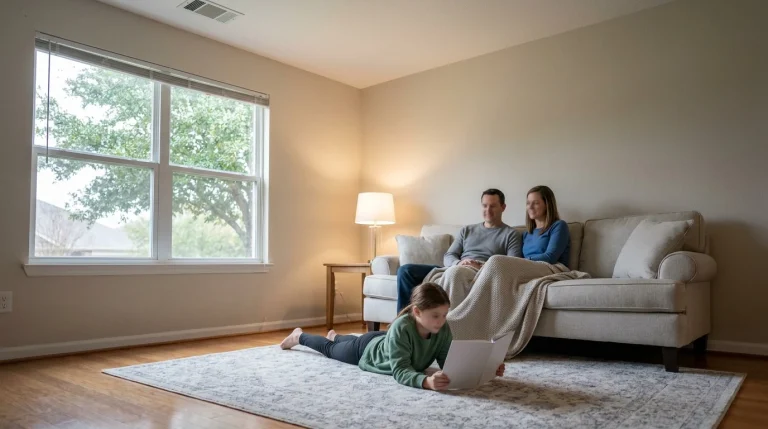
A two-stage heating system runs at a lower output on mild days and switches to full output only when the weather turns cold. For most Houston homes, that is the better fit: our winters bring many cool nights and only a few hard freezes, so a two-stage furnace or two-stage heat pump spends most of its time on the gentle low stage. That means longer, quieter cycles, more even temperatures from room to room, less wear from constant starts and better humidity control on the cooling side. Single-stage equipment is the budget choice, and variable-speed is the premium one.
Here is a scenario that plays out across Houston every winter. A cold front blows through, the thermostat clicks on, and a single-stage furnace roars to full power. Ten minutes later the house is warm near the vents, the system shuts off, and the back bedroom is still chilly. An hour later it happens again. Nothing is broken. The equipment simply has one speed, and that speed is sized for the coldest night of the year.
Two-stage heating changes that pattern. This guide explains how two-stage systems work, how they compare with single-stage and variable-speed equipment, and why they suit the way Houston homes are actually heated.
How a Two-Stage Heating System Works
A two-stage system has two levels of heat output instead of one. It uses the low stage most of the time and saves the high stage for colder weather.
Single-stage: on or off
A single-stage furnace or heat pump has one setting: full output. When the thermostat calls for heat, it runs at 100 percent of its capacity until the house reaches the set temperature, then shuts off completely. That works, but it means the equipment is always running at the output needed for the coldest design night, even on a 55 degree evening when the house needs only a little heat.
Two-stage: low first, high when needed
A two-stage system starts on its low stage, often called the first stage, and stays there as long as that is enough to keep up. If the house keeps losing ground, for example during a strong cold front, the system steps up to the high, or second, stage. On most Houston winter days, the low stage is enough, so the system runs longer, gentler cycles rather than short bursts at full power.
Two-stage furnaces and two-stage heat pumps
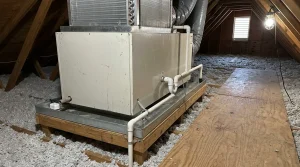
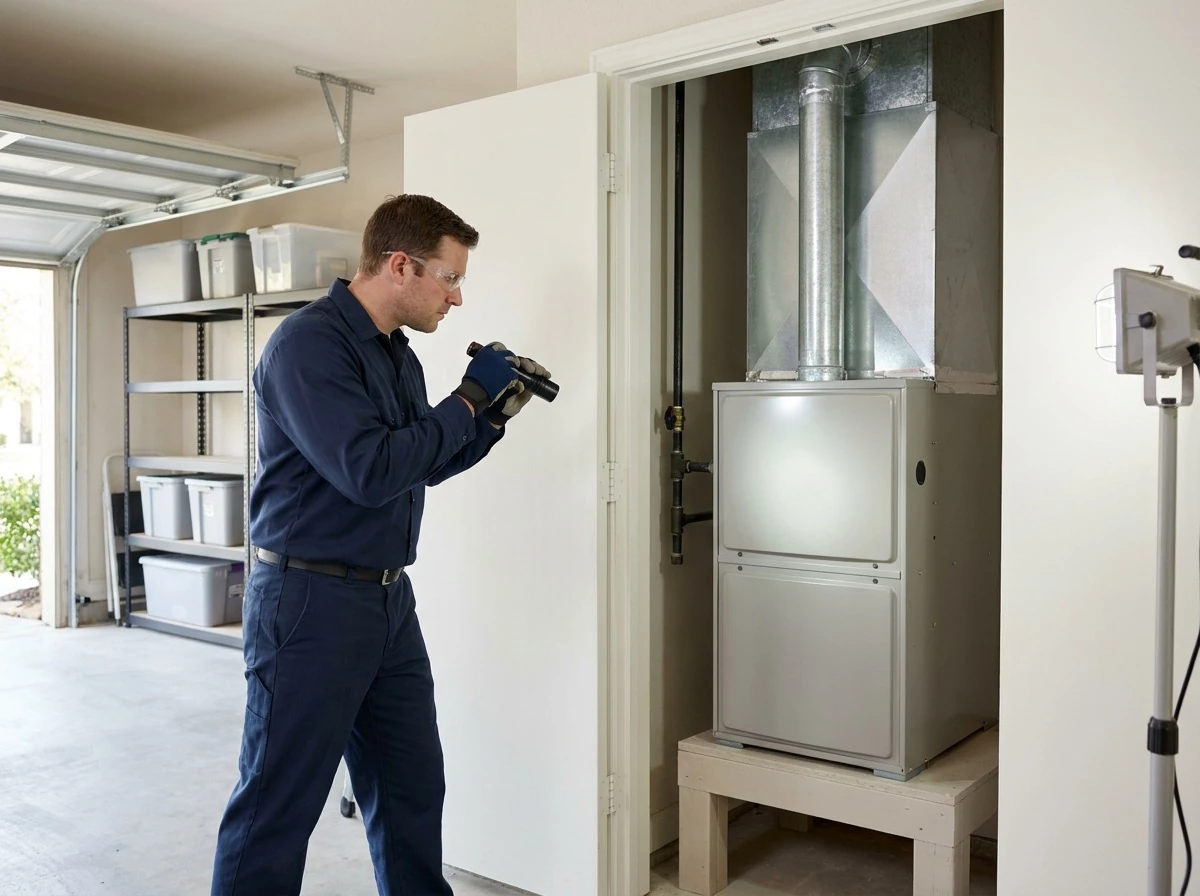
In a two-stage furnace, a gas valve with two firing rates sets the burner to a lower or higher output, and the blower adjusts its speed to match. In a two-stage heat pump, the compressor runs at a lower or higher capacity. Many two-stage heat pumps are paired with a variable-speed air handler, which helps the indoor airflow follow the stage the outdoor unit is running. The principle is the same in both: match the heat output more closely to what the house needs right now.
The role of the thermostat
A two-stage system needs a thermostat that can call for both stages, or a communicating control that manages them automatically. A basic single-stage thermostat would leave the extra stage unused. When you replace equipment, the thermostat and controls should be part of the plan.
Two-Stage vs Single-Stage vs Variable-Speed Heating
All three types can keep a Houston home warm. The differences show up in comfort, noise, efficiency and upfront cost.
Comfort and temperature swings
Single-stage equipment tends to overshoot, then let the house drift before it starts again. Two-stage equipment narrows that swing because the low stage can run long enough to spread warm air into every room. Variable-speed equipment narrows it further by adjusting output in many small steps.
Noise
Running on a lower stage is quieter. The burner or compressor works less hard and the blower moves air more slowly, so you notice less startup noise and less rushing air at the registers. For bedrooms near the air handler or open living spaces under a vaulted ceiling, that difference is easy to hear.
Efficiency and wear
Every startup is a hard moment for a heating system: ignitors, the blower motor, the heat exchanger and compressors take more stress when they start than when they run. Fewer starts and longer, steadier cycles mean less wear. Efficiency ratings tell the rest of the story. AFUE (Annual Fuel Utilization Efficiency) measures how much of a furnace's fuel becomes heat, and HSPF2 (Heating Seasonal Performance Factor 2) measures how efficiently a heat pump heats over a season. Our article on modulating furnaces explains when stepping beyond two stages pays off.
Quick comparison
| Feature | Single-stage | Two-stage | Variable-speed |
|---|---|---|---|
| Heat output settings | One (full output only) | Two (low and high) | Many small steps |
| Typical cycle pattern | Short bursts at full power | Long, gentle cycles on low | Long, nearly continuous operation |
| Temperature evenness | Noticeable swings | More even | Most even |
| Noise | Loudest at startup | Quieter on low stage | Quietest |
| Relative upfront cost | Lowest | Moderate | Highest |
| Best fit | Tight budgets, small homes | Most Houston homes | Homeowners who want the premium option |
Why Two-Stage Heating Fits Houston Homes
Houston does not have a long, harsh winter. It has many mild and cool days, a handful of cold fronts and the occasional hard freeze. That pattern favors equipment that can run gently most of the time and still has reserve capacity.
Most winter days only need the low stage
A heating system has to be sized for the cold nights it will see, but those nights are rare here. On the far more common cool evenings, a single-stage system is oversized for the moment and short cycles. A two-stage system drops to its low stage and runs a steady cycle that keeps rooms comfortable without the blast-and-stop pattern.
The same benefit carries into cooling season
A two-stage heat pump also cools, and cooling is where Houston homes spend most of the year. Longer low-stage cycles in spring and fall give the indoor coil more time to pull moisture out of the air, which matters in our humid climate. That is a big reason two-stage systems are the sweet spot for most Houston homes: the heating comfort is a bonus on top of better year-round humidity control.
Heat pumps, furnaces and dual fuel
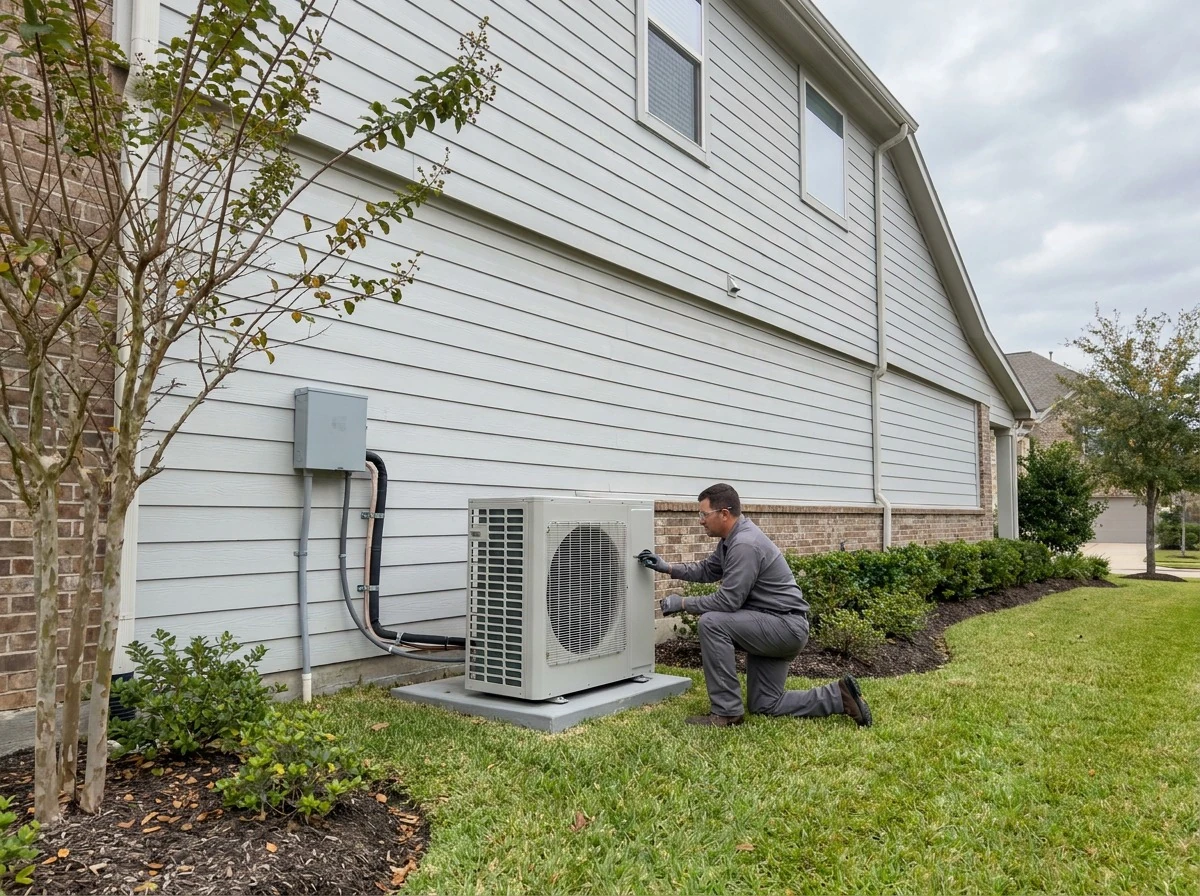
Heat pumps are a strong fit for Houston's mild winters because they move heat rather than burn fuel. A two-stage heat pump handles most of the season on its own, with electric heat strips or a gas furnace helping during a hard freeze. Where gas service exists and you want reliable backup heat, a dual fuel system pairs a heat pump with a gas furnace. Our guide to dual fuel heat pump systems covers how the two share the work.
Sizing still matters
Two stages give you more flexibility, but they do not fix a badly sized system. An oversized two-stage unit can still short cycle on its low stage, and an undersized one will sit on high stage and lean on backup heat. Proper sizing based on the house itself, its insulation, windows, ceiling heights and ductwork, comes first.
What to Look for When Choosing Two-Stage Equipment
A two-stage label alone does not tell you everything. A few details decide how well the system performs in your home.
Efficiency ratings that matter
For gas furnaces, look at AFUE. ENERGY STAR's furnace key product criteria require a rating of 95% AFUE or greater for gas furnaces in the U.S. South region, which includes Texas, and define AFUE as the percentage of the fuel's heat converted to space heat instead of being lost. For heat pumps, look at HSPF2 for heating and SEER2 (Seasonal Energy Efficiency Ratio 2) for cooling. ENERGY STAR's heat pump key product criteria list at least 7.8 HSPF2, 15.2 SEER2 and 11.0 EER2 for split systems.
Matched indoor and outdoor components
A two-stage outdoor unit needs an indoor coil and air handler that can work with both stages. A mismatched system may never use its low stage properly, which gives up much of the benefit you paid for. Ask whether the full system is designed to work together, including the thermostat.
Ductwork that can carry the airflow
Long, gentle cycles depend on ducts that deliver air evenly. Leaky, crushed or undersized ducts can leave far rooms cool no matter how well the equipment stages. An evaluation of the ductwork belongs in any replacement plan.
Questions to ask before you buy
Ask how the installer chose the size, whether the thermostat can run both stages, how the system handles a hard freeze, and how the cooling side will control humidity. A clear answer to each one is a good sign that the system was chosen for your home rather than pulled from a catalog.
How Our Team Approaches a Two-Stage Upgrade
Our team focuses on new system installations and full replacements for homes across the Houston area. When a homeowner asks about two-stage heating, the conversation starts with the house, not the equipment.
The in-home evaluation comes first
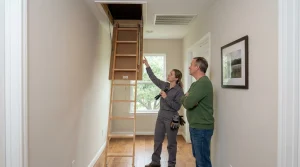
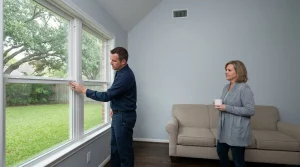
Every job begins with an in-home evaluation. We look at your insulation, ductwork, ceiling heights, window orientation and airflow distribution, then use what we find to size the system and decide whether a two-stage heat pump, a two-stage furnace or a dual fuel pairing fits best. For many homes, two-stage equipment is the recommendation; single-stage and variable-speed remain options when budget or comfort goals point that way.
Heating and cooling planned together
Because a heat pump heats and cools, the heating decision is also a cooling decision. When the outdoor unit is due, our residential AC installation service keeps the indoor and outdoor components matched. Our pillar guide to heating technology in 2026 compares today's heat pumps and furnaces for Houston homes.
Warranty, financing and service areas
VeriChill installations come with a warranty of 10 years parts and compressor, with VeriChill handling the 90-day registration. Financing is available through Wells Fargo, Synchrony Bank and Goodleap for qualified homeowners. Texas HVAC licensing is held at the company level, and we provide heating installation & replacement and residential hvac systems across Houston, Cypress, Katy, Spring, Sugar Land and Tomball.
Key Takeaways
- A two-stage heating system runs on a low stage most of the time and switches to high output only when the weather turns cold.
- Houston's many mild winter days suit the low stage, which gives longer, quieter cycles and more even temperatures than single-stage equipment.
- A two-stage heat pump also improves humidity control during our long cooling season, which is why two-stage is the sweet spot for most homes.
- Single-stage equipment is the budget option, and variable-speed is the premium option with the finest control.
- Check AFUE for furnaces and HSPF2 and SEER2 for heat pumps, and make sure the thermostat can run both stages.
- Two stages do not fix poor sizing or leaky ducts; an in-home evaluation should come first.
Frequently Asked Questions
What does two-stage heating mean?
Two-stage heating means the furnace or heat pump has two output levels instead of one. It starts on a lower stage that handles mild and cool days, and steps up to a higher stage when the house cannot keep up, such as during a strong cold front. Because the low stage covers most of the season in Houston, the system runs longer, gentler cycles. That gives more even temperatures, less noise and fewer hard starts than a single-stage system that only runs at full output.
Is a two-stage furnace worth the extra cost?
For most Houston homes, yes. A two-stage furnace costs more upfront than a single-stage model, but it delivers more even comfort, quieter operation and less wear from constant starts. If you are installing a heat pump, the case is stronger, because the two stages also improve humidity control during our long cooling season. The value depends on your home, your budget and how long you plan to stay, so compare options during an in-home evaluation.
Do two-stage furnaces stay on all the time?
No, but they do run longer cycles than single-stage furnaces. On mild days, a two-stage furnace runs on its low stage for a longer stretch, then shuts off once the house reaches the set temperature. That longer run time is intentional: it spreads warm air more evenly and avoids the short bursts that cause temperature swings. If a furnace seems to run almost nonstop on high during mild weather, have it checked, since that can point to a sizing or airflow problem.
What are the downsides of a two-stage furnace?
The main downside is a higher upfront cost than single-stage equipment. Two-stage systems also need a compatible thermostat and matched components to work as designed, and a mismatched setup may never use its low stage properly. Some homeowners notice that the system runs longer, which is normal and usually quieter. Finally, two stages cannot make up for poor sizing or leaky ducts, so the installation and ductwork matter as much as the equipment itself.
Is a two-stage heat pump better than a single-stage heat pump in Houston?
For most Houston homes, a two-stage heat pump is the better choice. It handles mild winter days on its low stage and still has full output for cold fronts. The bigger advantage shows up in cooling season, when longer low-stage cycles remove more moisture from the air. A single-stage heat pump can still be a reasonable budget option for smaller homes, while variable-speed equipment suits homeowners who want the finest temperature and humidity control available.
Conclusion
A two-stage heating system matches the way Houston winters actually behave. Most days need only a little heat, and the low stage delivers it with longer, quieter cycles and more even temperatures. When a real cold front arrives, the high stage is there.
The same equipment pays off in summer, when longer low-stage cycles help control humidity through our long cooling season. That combination is why two-stage systems are the sweet spot for most Houston homes, with single-stage as the budget choice and variable-speed as the premium one. Proper sizing, matched components and sound ductwork are what make the upgrade work.
If you are weighing a two-stage upgrade, VeriChill can help you compare options for your home. Call VeriChill at 281-559-6995 or contact our team to schedule an in-home evaluation.