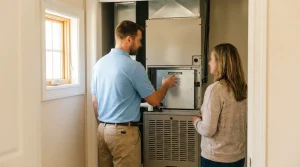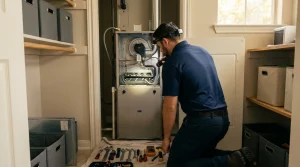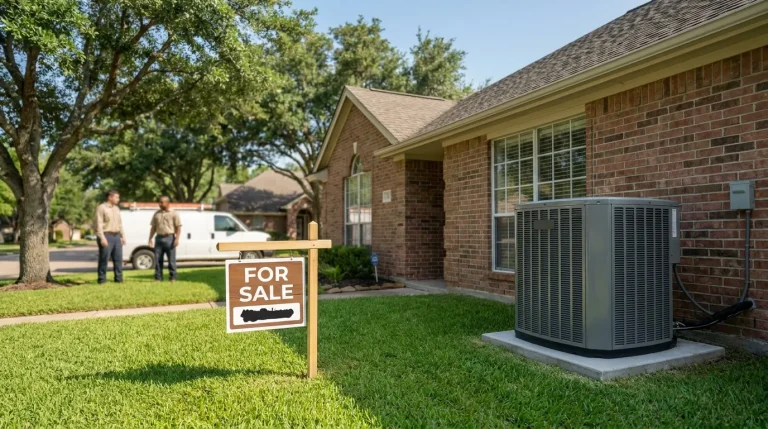
A new HVAC system adds value to your Houston home in three connected ways: it removes a major red flag during inspection and appraisal, it signals lower future operating costs to efficiency-minded buyers, and it eliminates a negotiating lever buyers use to chip away at your asking figure. In a market where reliable cooling is non-negotiable, the hvac system home value effect is stronger here than the national average, because Houston buyers scrutinize AC capacity, system age, and efficiency more closely than buyers in milder climates. A documented, efficient, correctly sized system is one of the clearest signals of a well-maintained home a buyer can see.
When homeowners think about improvements that add value, they usually picture kitchens and bathrooms. The HVAC system rarely makes the list, because it is invisible until it fails. Yet in Houston, few systems influence a buyer's confidence, an inspector's report, and an appraiser's notes quite like the equipment that keeps the house cool through our eight-to-nine-month cooling season.
The value a new HVAC system adds is not always a dollar-for-dollar return the way a headline renovation might promise. It shows up differently: as a smoother sale, fewer concessions, stronger buyer confidence, and the removal of an objection that can otherwise drag down an offer. In our climate, where a functioning, efficient AC is treated as essential rather than optional, that influence is amplified.
Let us walk through exactly how HVAC affects home value in Houston, why our market weighs it more heavily than national averages suggest, and how our team helps homeowners make the upgrade decision when a sale is on the horizon.
Why HVAC Carries More Weight in Houston's Market
Home value is always local, and Houston's climate rewrites the priority list. A feature that is a nice-to-have in a mild climate becomes a must-have here.
Cooling is non-negotiable
A buyer in a temperate market might tolerate an aging AC as a future project. A Houston buyer cannot. With our long, hot, humid cooling season, a home without dependable air conditioning is effectively unlivable for much of the year. That makes the condition and capacity of the HVAC system a front-of-mind concern for local buyers rather than an afterthought.
Buyers scrutinize age and efficiency
Houston buyers, and the agents advising them, look closely at how old the system is, what it costs to run, and whether it can actually handle our heat. According to buyer research on efficiency and home features from the National Association of Realtors, energy efficiency and system condition increasingly influence buyer decisions, and that tendency is sharper in a cooling-dominated market like ours where the summer electric bill is a real line item buyers think about. Homeowners preparing to sell benefit from understanding how buyers weigh these factors, which is where a conversation with experienced residential HVAC service professionals can clarify what actually moves the needle.
The inspection is where it gets real
Houston's active real estate market means most sales include a thorough home inspection. HVAC is a headline item in that report. An aging, inefficient, or poorly maintained system becomes documented, and once it is in writing, it becomes a negotiating point. A newer, efficient, well-documented system does the opposite: it reassures.
The Three Ways a New System Adds Value
The value shows up through three distinct mechanisms, and understanding them helps a homeowner decide whether an upgrade before selling makes sense.
| Value mechanism | How it works | Buyer impact |
|---|---|---|
| Removes inspection red flags | A new system passes inspection cleanly | Fewer concessions and repair demands |
| Signals lower operating costs | Higher efficiency means lower future bills | Stronger appeal to efficiency-minded buyers |
| Eliminates negotiating leverage | Buyers cannot discount for an old system | Protects your asking figure |
Removing inspection red flags
An old or failing system flagged in an inspection report invites repair requests, credits, or price reductions. Replacing it beforehand takes that entire line item off the table. The house presents as move-in ready, which matters enormously to buyers who do not want to inherit a major project during their first Houston summer.
Signaling lower operating costs
Efficiency has a market language. A system with a strong SEER2 rating, ideally the 16-plus our team recommends for Houston, tells an efficiency-minded buyer that summer bills will be manageable. ENERGY STAR qualified equipment carries recognized credibility that makes that signal easy for a buyer to trust without being an HVAC expert themselves.
Eliminating negotiating leverage
Every known deficiency in a home is a lever a buyer can pull. An aging HVAC system is one of the most common and most expensive-sounding levers. Remove it, and you remove one of the strongest arguments a buyer has for coming in below your asking figure.
What Actually Adds Value, and What Buyers Overlook
Not every HVAC dollar influences value equally. Our team helps homeowners focus on what a buyer and an inspector will actually notice.
Documentation is undervalued
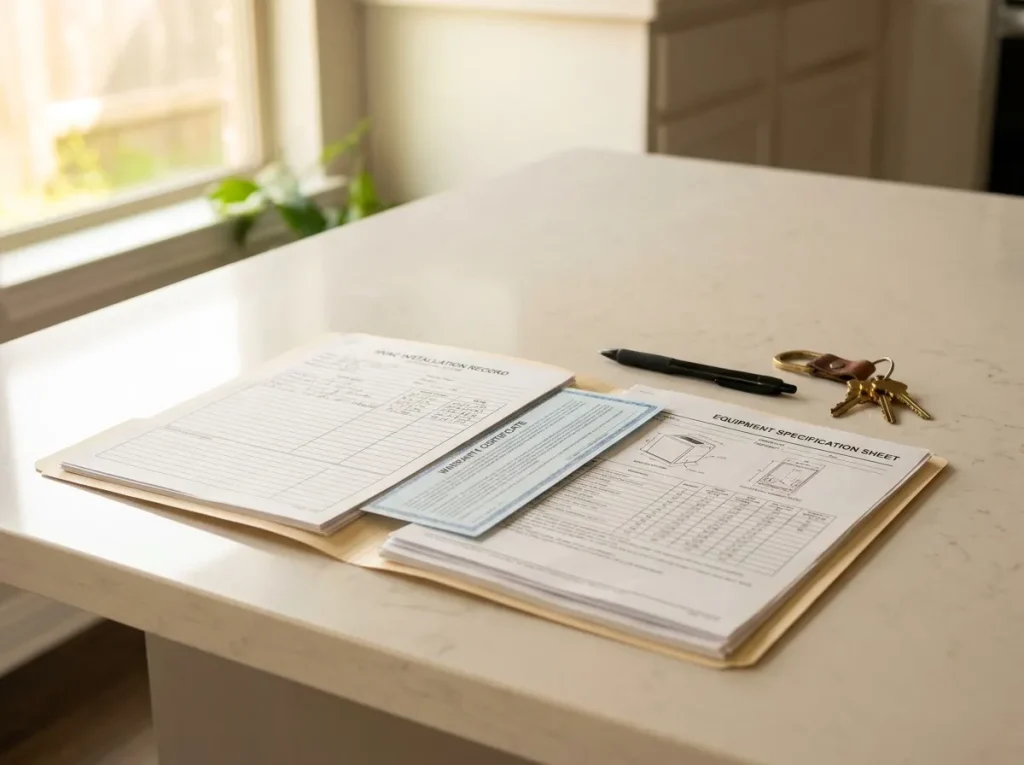
A folder showing the installation date, the equipment specifications, the warranty status, and the assessment behind the system sizing turns an invisible system into a visible asset. Buyers and appraisers respond to documentation because it converts a hidden component into verifiable proof of a well-maintained home. VeriChill handles the 90-day manufacturer registration on new installations and provides the paperwork that makes this documentation straightforward.
Correct sizing signals quality
A system that is correctly sized, based on a real assessment of insulation, ductwork, ceiling heights, window orientation, and airflow distribution, performs better and lasts longer than one that was simply swapped in at the same tonnage as the old unit. Oversizing, the most common HVAC problem our team sees in Houston, quietly undermines comfort and efficiency, which savvy buyers and thorough inspectors can pick up on.
Efficiency and comfort features that show
Two-stage systems, the sweet spot our team recommends for most Houston homes, deliver the steady comfort and humidity control that make a home feel good during a showing. A house that feels evenly cool and not muggy on a hot afternoon makes a stronger impression than any spec sheet. When a system is nearing the end of its life before a sale, that is often the moment a well-planned new AC installation decision pays off in both the showing experience and the negotiation. Sellers with older heating equipment should weigh the same logic on the heating side, since a documented heating installation service removes another potential inspection flag.
Deciding Whether to Upgrade Before You Sell

Replacing an HVAC system before a sale is not automatically the right move. Our team walks homeowners through a straightforward decision framework.
When upgrading before selling makes sense
If the current system is at or past its expected service life, if it has documented problems that an inspection will surely catch, or if it is visibly inefficient in a market where buyers care, replacing it before listing usually strengthens the sale. The upgrade removes an objection and lets you present a move-in-ready home.
When it may not be necessary
If the existing system is relatively young, efficient, and well-documented, replacement purely for resale may not add enough incremental value to justify it. In that case, gathering the documentation and ensuring the system is clean and performing well is the smarter play than a full replacement.
Let the home and the market guide the call
The right answer depends on the system's condition, the local market, and your timeline. Our team assesses the actual system rather than applying a blanket rule, because a healthy system and a tired one call for very different strategies. Financing through Wells Fargo, Synchrony Bank, and Goodleap is available for qualified homeowners who decide a pre-sale upgrade is worthwhile but want to spread the investment.
Key Takeaways
- A new HVAC system adds value by removing inspection red flags, signaling lower operating costs, and eliminating a common buyer negotiating lever
- Houston's cooling-dominated climate makes HVAC condition, age, and efficiency weigh more heavily than the national average
- Buyers and inspectors scrutinize the system closely, so a documented, efficient, correctly sized system reassures where an aging one raises objections
- Documentation, correct sizing, and comfort-focused features like two-stage systems are what buyers and appraisers actually notice
- Upgrading before selling makes the most sense when the system is at end of life, has known problems, or is visibly inefficient
- A young, efficient, well-documented system may not need replacing purely for resale; documentation is often the smarter play
Frequently Asked Questions
Does a new HVAC system increase home value in Houston?
Yes, though the value shows up in more than a single dollar figure. A new, efficient, correctly sized system removes inspection red flags, signals lower future operating costs to buyers, and eliminates a common negotiating lever buyers use to reduce offers. In Houston's cooling-dominated market, where dependable air conditioning is essential for much of the year, buyers weigh HVAC condition and efficiency more heavily than in milder climates, so the effect is stronger here than national averages suggest.
Should I replace my HVAC system before selling my Houston home?
It depends on the system's condition. If it is at or past its expected service life, has documented problems an inspection will catch, or is visibly inefficient, replacing it before listing usually strengthens the sale by removing objections and presenting a move-in-ready home. If the system is relatively young, efficient, and well-documented, replacement purely for resale may not add enough value to justify it. Our team assesses the actual system rather than applying a blanket rule.
What HVAC features do Houston home buyers care about most?
Houston buyers focus on system age, cooling capacity, and efficiency, because our long, hot season makes reliable air conditioning non-negotiable. A strong SEER2 rating, ideally the 16-plus we recommend for Houston, and ENERGY STAR qualified equipment signal manageable summer bills. Buyers also respond to comfort during a showing, so a home that feels evenly cool and not muggy makes a strong impression. Correct sizing and clean documentation reinforce the sense of a well-maintained home.
How does documentation affect HVAC value at resale?
Documentation converts an invisible system into a visible asset. A folder showing the installation date, equipment specifications, warranty status, and the assessment behind the sizing gives buyers and appraisers verifiable proof of a well-maintained home. Without documentation, even a good system is just an unknown box. VeriChill handles the 90-day manufacturer registration on new installations and provides the paperwork, which makes this documentation straightforward to assemble before a sale.
Is a higher efficiency system worth it just for resale value?
For resale specifically, efficiency helps most as a signal rather than a guaranteed dollar return. A higher SEER2, ENERGY STAR qualified system tells efficiency-minded Houston buyers that operating costs will be manageable, which strengthens appeal and can protect your asking figure. Whether the step up in efficiency is worth it depends on your timeline and how long you will own the home before selling. If you will enjoy the lower bills and comfort yourself before selling, the value case is much stronger than resale alone.
Conclusion
In Houston, the HVAC system is one of the few invisible parts of a home that a buyer, an inspector, and an appraiser all pay close attention to. That attention cuts both ways. An aging, inefficient system becomes a documented objection and a negotiating lever. A new, efficient, correctly sized, well-documented system becomes a reassurance and a reason to offer with confidence.
At VeriChill, our team helps homeowners make the pre-sale HVAC decision with clear eyes. We assess the actual system, weigh its condition against your timeline and the market, and recommend replacement only when it genuinely strengthens the sale. When it does, we handle the sizing, the installation, the warranty registration, and the documentation that turns your system into a visible asset.
Thinking about how your HVAC system fits into a sale or a long-term plan for your Houston home? Call us at 281-559-6995 or visit verichill.com to schedule a consultation.