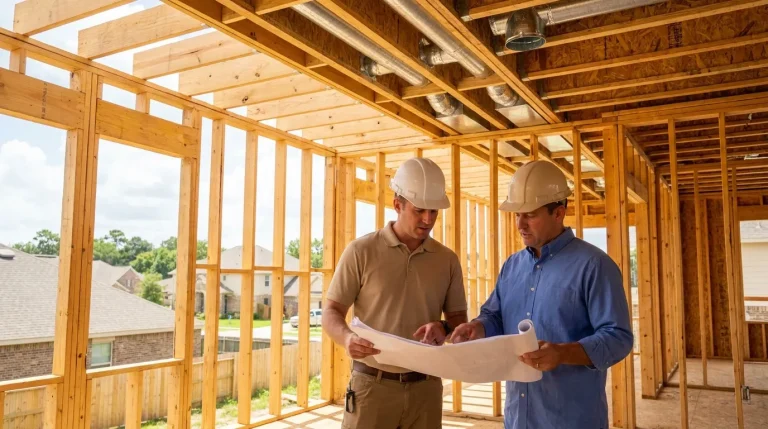
Getting hvac new construction Houston decisions right means engaging with the system during the design and rough-in phases, not accepting whatever the builder installs by default. The choices that matter most- duct layout and location, equipment selection and sizing, zoning provisions, return air design, and insulation coordination- are locked in during framing and are expensive or impossible to change after move-in. Houston's climate raises the stakes: our humidity and long cooling season punish undersized returns, poorly routed ducts, and oversized equipment. Homeowners who advocate for these decisions early get a quieter, more comfortable, more efficient home from day one.
Building a new home in Houston is a rare chance to get the HVAC right from a blank slate. No retrofitting around existing ductwork, no working within the constraints of a system someone else chose decades ago. Everything can be designed to fit the house and the climate.
The catch is that most homeowners never realize this window exists until it has closed. Builders often install builder-grade equipment routed for construction convenience rather than long-term comfort, and by the time the drywall is up, the most important HVAC decisions are already sealed inside the walls. The homeowner inherits whatever was easiest to install.
It does not have to work that way. The decisions that determine how comfortable and efficient your new Houston home feels are made during design and rough-in, and a homeowner who knows what to ask for can shape them. Let us walk through what to get right from the start, why Houston's climate makes each decision matter, and how our team helps homeowners advocate for a system built for the home rather than for the construction schedule.
Why New Construction Is the Time to Get HVAC Right
The single most important thing to understand is timing. HVAC quality in a new home is determined early, and the window to influence it is short.
The decisions are made before drywall
Duct routing, equipment location, return air pathways, and zoning provisions are all established during the framing and rough-in phases. Once the walls are closed, changing any of them means tearing back into finished construction. The design phase is where a homeowner has leverage; after move-in, that leverage is gone.
Builder-grade is a starting point, not a requirement
Builders work to a budget and a schedule, and their default HVAC package reflects that. Builder-grade equipment and convenience-routed ductwork are common because they are inexpensive and fast, not because they are optimal for a Houston summer. Homeowners who ask questions early can often upgrade equipment, improve duct design, and add provisions that the default package skips.
Houston's climate is unforgiving of shortcuts
In a mild climate, a mediocre HVAC design might go unnoticed. In Houston, with our 75-percent-plus humidity and eight-to-nine-month cooling season, the same shortcuts produce hot upstairs rooms, muggy interiors, noisy airflow, and high bills. Our climate exposes design compromises that gentler climates hide, which is exactly why engaging early matters more here. Working with an experienced, local HVAC contractors during the design phase helps a homeowner spot those compromises before they are built in.
The HVAC Decisions That Matter Most During Construction
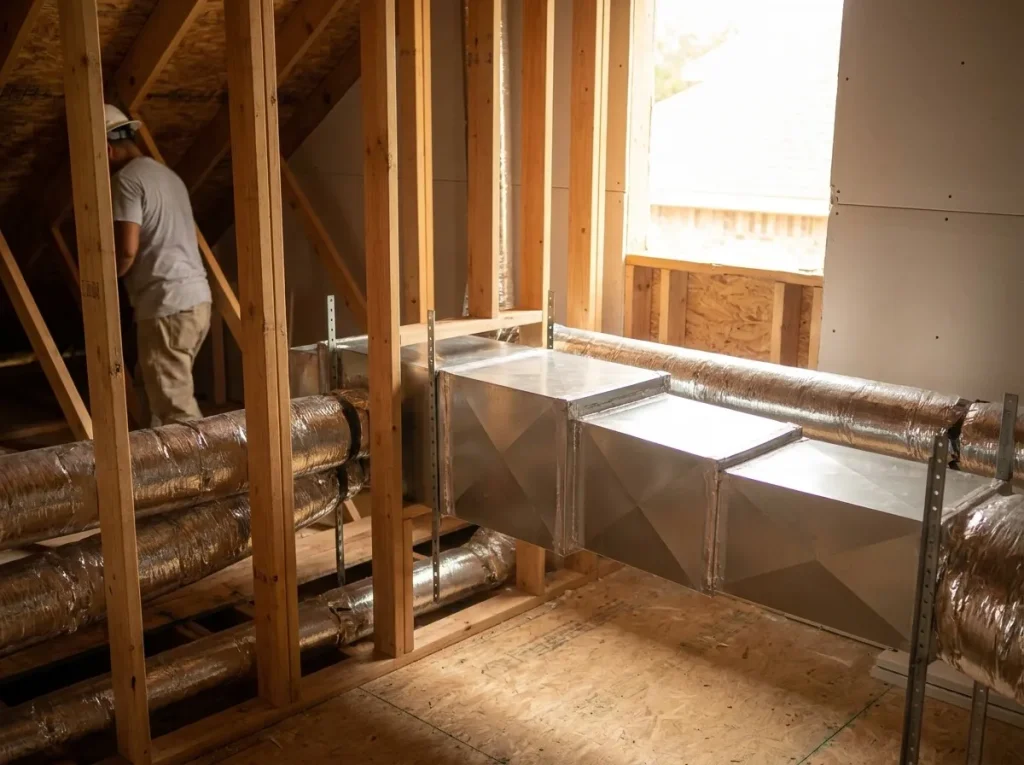
Several design-phase decisions shape the comfort of the finished home. Each is far easier to get right during construction than to fix afterward.
Duct layout and routing
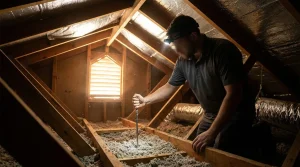
Where the ducts run, how long the runs are, and how well they are sized and sealed determine whether conditioned air reaches every room evenly. Ducts routed for the shortest construction path rather than balanced delivery create hot and cold spots. Keeping ducts within conditioned space where possible, rather than running them through a blistering Houston attic, dramatically reduces the heat they pick up before the air ever reaches the rooms.
Equipment selection and correct sizing
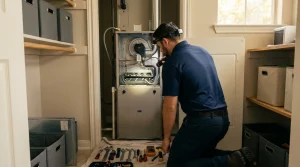
Equipment should be selected and sized to the actual home, based on an assessment of insulation, ductwork, ceiling heights, window orientation, and airflow distribution, rather than dropped in at a default tonnage. Oversizing is the most common HVAC problem our team sees in Houston, and new construction is where it gets baked in when equipment is chosen by rule of thumb. A correctly sized, two-stage system, the sweet spot for most Houston homes, delivers the steady humidity control our climate demands.
Return air design
Returns are the most overlooked part of a new system and one of the most important. Undersized or poorly placed returns starve the system for airflow, hurting comfort and efficiency and adding noise. Adequate return air pathways, planned during rough-in, let the system breathe and perform to its rating.
Zoning provisions
Two-story Houston homes frequently suffer from a hot upstairs. Roughing in the wiring and dampers for zoning during construction, even if full zoning is added later, is far cheaper than retrofitting it. Building in the provision keeps the option open without tearing into finished walls down the road.
Equipment pad and unit placement
The outdoor unit location, drainage, and clearance all affect performance and longevity. Planning placement during construction, with airflow clearance and thoughtful positioning in mind, avoids the cramped, poorly drained locations that convenience-first installs often default to.
How Houston's Climate Shapes Each Decision
The same design principles apply everywhere, but Houston's climate changes how much each one matters. This table maps the decision to the local stakes.
| Design decision | Why it matters everywhere | Why Houston raises the stakes |
|---|---|---|
| Ducts in conditioned space | Reduces heat gain and loss | Attic temperatures punish attic-run ducts hard |
| Correct equipment sizing | Prevents short cycling | Oversizing wrecks humidity control in our climate |
| Return air sizing | Enables proper airflow | Long cooling season magnifies airflow shortfalls |
| Zoning provisions | Balances multi-level comfort | Two-story homes overheat upstairs in our sun |
| Insulation coordination | Reduces load | High cooling load makes envelope quality decisive |
Humidity makes sizing and staging critical
Because our humidity is the comfort challenge, correct sizing and staging matter more here than temperature control alone. An oversized system short cycles and never runs long enough to dehumidify, leaving a house that hits the temperature but feels clammy. Building in a correctly sized, well-staged system from the start avoids that outcome permanently.
The long season rewards envelope quality
Insulation, air sealing, and duct placement coordinate with the HVAC design to reduce the load the equipment has to carry. In a nine-month cooling season, a well-coordinated envelope pays back every single month. Aligning the insulation and HVAC plans during construction, rather than treating them as separate trades, produces a tighter, more efficient result.
How to Advocate for Your HVAC During the Build
Knowing what matters is only useful if you can influence the outcome. Our team helps homeowners engage at the right moments and ask the right questions.
Get involved during design, not after
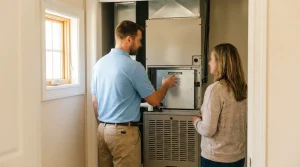
Ask your builder about the HVAC plan during the design phase. Request details on equipment selection, duct routing, return air design, and whether zoning provisions are included. The earlier you ask, the more you can shape. Bringing in an independent perspective on an AC installation contractor during design gives you a second set of eyes on choices the builder may treat as fixed.
Ask the questions that reveal the defaults
Find out whether ducts run through the attic or within conditioned space, what the equipment sizing is based on, how the returns are sized, and what efficiency the equipment carries. The answers reveal whether the plan is designed for your comfort or for the construction schedule. The ENERGY STAR new homes design principles outline what distinguishes a genuinely well-built home from a builder-grade default.
Coordinate the trades
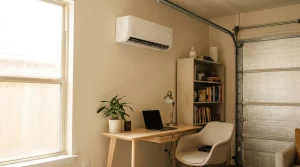
HVAC, insulation, and air sealing should be planned together, not in isolation. A homeowner who asks how these trades are coordinated often uncovers gaps worth closing before they are sealed in. The same forward planning applies to the heating side, where getting the heating installation company design right during construction, especially for heat pump systems that suit our mild winters, avoids compromises that are hard to undo later.
Key Takeaways
- The HVAC decisions that matter most in new construction are made during design and rough-in and are expensive or impossible to change after move-in
- Builder-grade packages are a cost-and-schedule starting point, not the optimal design for a Houston home
- Duct layout, correct equipment sizing, return air design, zoning provisions, and unit placement are the highest-impact decisions
- Houston's humidity makes correct sizing and staging critical, since oversizing wrecks humidity control and remains our most common HVAC problem
- Keeping ducts within conditioned space and coordinating HVAC with insulation and air sealing pay back every month of our long cooling season
- Homeowners who engage during design, ask about the defaults, and coordinate the trades get a more comfortable, efficient home from day one
Frequently Asked Questions
When should I get involved in HVAC decisions for my new Houston home?
During the design phase, well before drywall goes up. Duct routing, equipment location, return air pathways, and zoning provisions are all locked in during framing and rough-in, and changing them after the walls are closed means tearing into finished construction. The earlier you ask your builder about the HVAC plan, the more you can shape it. Once you have moved in, most of the high-impact decisions are already sealed inside the walls.
Is builder-grade HVAC good enough for a Houston home?
Builder-grade equipment and convenience-routed ductwork are chosen for cost and speed, not for optimal performance in a Houston summer. They can leave you with hot upstairs rooms, muggy interiors, noisy airflow, and higher bills that our climate exposes more harshly than a mild one would. That does not mean every builder package is inadequate, but it does mean you should ask questions early. Homeowners who advocate for better equipment, duct design, and return air sizing during construction typically get a noticeably more comfortable home.
What HVAC details should I ask my builder about?
Ask whether ducts run through the attic or within conditioned space, what the equipment sizing is based on, how the return air is sized and located, whether zoning provisions are roughed in, and what efficiency rating the equipment carries. Also ask how the HVAC, insulation, and air sealing trades are coordinated. The answers quickly reveal whether the plan was designed for your long-term comfort or simply for the construction schedule, and they open the door to upgrades while changes are still easy.
Why does duct placement matter so much in Houston?
Because a Houston attic gets brutally hot, ducts run through the attic pick up significant heat before the conditioned air ever reaches your rooms, which wastes energy and undercuts comfort. Keeping ducts within conditioned space where possible dramatically reduces that heat gain. Duct routing, run length, sizing, and sealing all determine whether every room gets balanced airflow. These are design-phase decisions, so getting them right during construction is far easier than reworking them later.
Should I plan for zoning in a new two-story Houston home?
It is worth strongly considering. Two-story Houston homes frequently suffer from a hot upstairs because heat rises and our sun is intense. Roughing in the wiring and dampers for zoning during construction is far cheaper than retrofitting it later, even if you do not activate full zoning right away. Building in the provision keeps the option open without having to tear into finished walls down the road, which makes it a low-cost hedge against a very common comfort complaint.
Conclusion
New construction is the best opportunity a Houston homeowner will ever have to get their HVAC right, and also the easiest one to miss. The decisions that determine comfort, efficiency, and quiet operation are made early, sealed inside the walls, and difficult to undo. A homeowner who engages during design, rather than accepting whatever the builder installs by default, shapes how the home will feel for decades.
At VeriChill, our team helps homeowners navigate these decisions during the build: right-sizing the equipment to the actual home, advocating for smart duct routing and adequate returns, and coordinating with the insulation and air sealing so the whole envelope works together. In our climate, that early attention is the difference between a home that feels effortless and one that fights the heat every summer.
Building a new home in the Houston area and want the HVAC done right from the start? Call us at 281-559-6995 or visit verichill.com to schedule a consultation.