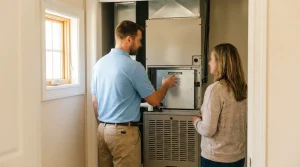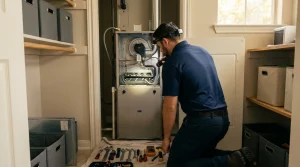
HVAC installation is the complete process of putting a heating and cooling system into a home, covering system sizing, equipment selection, physical installation of indoor and outdoor units, connection of ductwork, refrigerant lines, electrical, and drainage, then commissioning and testing. It differs from repair, which fixes an existing system, and it goes beyond simply swapping equipment, since sizing and connections determine whether the system performs as rated.
Homeowners researching a new air conditioner often encounter three overlapping terms, installation, replacement, and repair, used as though they mean the same thing. They do not, and the distinction affects both what you pay for and what you should expect.
Installation is the whole process of putting a system into a home and making it work correctly, which involves considerably more than setting equipment in place. This guide explains what the term actually covers, how the process unfolds, and what makes it different in Houston's climate specifically.
Defining HVAC Installation
HVAC stands for heating, ventilation, and air conditioning, and the term covers the equipment that controls indoor temperature, humidity, and air movement. Installation is the process of putting that equipment into a building and integrating it with the structure's ductwork, electrical supply, and drainage.
A complete HVAC installation includes assessment and sizing, equipment selection, removal of any existing system, placement and connection of new indoor and outdoor units, refrigerant line work, electrical connections, condensate drainage, thermostat setup, and commissioning to verify the system performs to specification.
The word installation therefore describes an entire project rather than a single event. The physical work of setting equipment occupies part of a day; the decisions that determine whether the system works well are made before the truck arrives.
Installation Versus Replacement
The two terms are used interchangeably in marketing, but there is a practical distinction. Replacement implies removing existing equipment and putting new equipment in its place, generally in the same location using the same connections.
Installation is the broader term. It covers replacement, but also new construction where no system existed, additions where a home is being extended, and situations where equipment is being relocated or the system type is changing.
The distinction matters most when the new system differs from the old one. Moving from a conventional system to a heat pump, relocating an air handler from a closet to the attic, or adding zoning all involve work beyond a like-for-like swap.
Installation Versus Repair
Repair addresses a specific failure within an existing system, such as a failed capacitor, a refrigerant leak, or a seized blower motor. It restores function without changing the system itself.
Installation replaces the system entirely. The decision between them typically turns on the age of the equipment, the cost of the repair relative to replacement, and whether the system has become unreliable enough that further repairs are likely.
What the Process Involves
Assessment and Load Calculation
Every proper installation begins with determining what the home actually needs. A load calculation evaluates square footage, insulation, window count and orientation, ceiling height, air infiltration, and occupancy to establish the required capacity.
This step is skipped more often than it should be, with capacity chosen by square footage or by matching whatever was previously installed. In Houston that shortcut produces real consequences, since humidity means an oversized system satisfies the thermostat before removing enough moisture from the air.
Equipment Selection
Selection covers system type, capacity, and efficiency level. The indoor and outdoor components should be a matched pair designed to work together, since mismatched equipment rarely achieves its rated performance.
System type is a genuine decision rather than a formality. Different configurations suit different homes, and the types of HVAC systems available range from single-stage units that run at one output level to variable speed systems that modulate continuously.
Removal and Preparation
Where an existing system is present, it is disconnected and removed. Refrigerant must be recovered rather than released, under federal requirements, by a certified technician.
The site is then prepared for the new system, which may involve building or verifying an equipment platform, adjusting or replacing the condenser pad, or modifying existing ductwork connections to fit the new equipment properly.
Physical Installation
The indoor unit, either an air handler or furnace, is positioned and secured. In most Houston homes this means the attic, which introduces its own considerations for access, drainage, and service clearance.
The outdoor condenser is set on its pad, leveled carefully, and positioned with adequate clearance for airflow on every side. Refrigerant lines connect the two units, electrical connections are made at both ends, and the condensate drain is routed and tested.
Commissioning
The final phase determines whether all the preceding work delivers. The system is evacuated to remove air and moisture, charged with refrigerant to manufacturer specification, and started.
Testing then verifies airflow, temperature differential across the coil, refrigerant pressures, electrical draw, and correct thermostat operation. This is where a correctly installed system is distinguished from one that merely runs. The table below summarizes the phases.
| Phase | What happens | Why it matters |
| Assessment | Load calculation, ductwork evaluation | Determines correct capacity |
| Selection | System type, capacity, efficiency, matched components | Sets performance ceiling |
| Removal | Refrigerant recovery, old equipment out | Regulatory requirement, site prep |
| Physical install | Units set, lines, electrical, drainage connected | The visible work |
| Commissioning | Evacuation, charging, testing, verification | Determines actual performance |
Types of Systems Installed
Single-Stage Systems
Single-stage equipment operates at one output level, either fully on or fully off. It represents the most affordable option and remains common in Houston homes.
The trade-off is comfort consistency. Single-stage systems cycle on and off to maintain temperature, which produces more noticeable temperature swings and does less to manage humidity than modulating equipment.
Two-Stage Systems
Two-stage equipment operates at a reduced output for most conditions and switches to full output when demand is high. Running longer at lower capacity improves both temperature consistency and moisture removal.
Two-stage systems occupy a middle position on cost and performance, and in a humid climate the extended run time at partial load is a meaningful advantage.
Variable Speed Systems
Variable speed equipment modulates output continuously rather than in discrete stages, matching capacity closely to actual demand. This produces the most consistent temperatures and the best humidity control.
Variable speed systems cost more upfront and typically deliver lower operating costs, along with quieter operation and better dehumidification. In Houston, the humidity performance is often the deciding factor rather than the efficiency rating.
Inverter and Ductless Systems
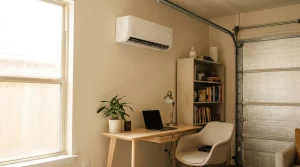
Inverter-driven systems, including ductless mini-splits, use variable-speed compressor technology and can serve individual zones without any ductwork at all. They suit additions, converted spaces, garages, and older homes where extending existing ductwork would be impractical or prohibitively expensive.
Why Houston Changes the Calculation
Humidity Drives System Selection
Houston's defining climate characteristic is not heat alone but heat combined with sustained humidity. A system that lowers temperature without removing moisture leaves a home cold and clammy rather than comfortable.
Moisture removal happens while the system runs, which means equipment that runs longer at lower output dehumidifies better than equipment that blasts and shuts off. This is the core argument for two-stage and variable speed equipment in this market, independent of energy efficiency.
It is also why oversizing is such a persistent problem locally. An oversized system reaches temperature quickly and stops, cutting short the run time dehumidification requires.
Attic Installations
Most Houston homes place the air handler in the attic, where summer temperatures routinely exceed 130 degrees. Equipment works harder in that environment, and attic insulation and ventilation directly affect system performance.
Attic installation also makes condensate management critical. A secondary drain pan with a float switch, which shuts the system down if the primary drain clogs, is standard practice here for good reason.
Long Cooling Season
Houston's cooling season runs most of the year, which means equipment accumulates far more run hours than the same unit would in a temperate climate. That accelerates wear and makes installation quality more consequential over the system's life.
It also shifts the efficiency calculation considerably. Higher-efficiency equipment returns its price premium far faster in a market where the system runs nine months a year than in one where it runs three.
What Distinguishes Good Installation
Research within the industry consistently finds that installation quality affects real-world performance more than equipment tier does. A high-efficiency system installed poorly can underperform a mid-tier system installed correctly.
The elements that matter most:
- A genuine load calculation rather than square-footage sizing
- Ductwork evaluated and addressed rather than assumed adequate
- Proper evacuation before charging, removing air and moisture from the lines
- Refrigerant charged by measurement to manufacturer specification
- Airflow verified rather than assumed
- Condensate drainage correctly sloped and tested
- Permits pulled and inspection completed
None of these are visible to a homeowner after the fact, which is precisely why they are worth asking about beforehand.
What to Expect as a Homeowner
A typical residential installation runs six to twelve hours, during which the home is without cooling. Crews need clear access to the indoor unit, attic hatch, outdoor condenser, and electrical panel.
Houston requires permits for HVAC replacement, and inspection follows installation. Your contractor normally handles both, but confirming rather than assuming avoids problems later.
At completion, expect a walkthrough covering thermostat operation, filter size and location, the condensate drain, and the outdoor disconnect. Warranty registration should be addressed promptly, since manufacturers commonly require it within a limited window.
Working with an established HVAC contractor means the assessment, permitting, installation, and follow-up are handled as one process rather than in pieces. Homeowners weighing a replacement can schedule an assessment to establish what their home actually requires before comparing quotes.
Key Takeaways
- HVAC installation is the complete process of putting a heating and cooling system into a home, covering sizing, equipment selection, physical installation, connections, and commissioning, not simply setting equipment in place.
- Installation is broader than replacement. It includes new construction, additions, relocated equipment, and system type changes, whereas replacement generally implies a like-for-like swap in the same location.
- Load calculation is the step that most determines outcome and the step most often skipped. Sizing by square footage or by matching the old unit produces oversized systems that cool without dehumidifying.
- Humidity, not heat alone, drives system selection in Houston. Equipment that runs longer at lower output removes more moisture, which is why two-stage and variable speed systems perform better here regardless of efficiency rating.
- Attic installations are the Houston norm, which makes condensate management critical and makes a secondary drain pan with float switch standard practice rather than an upgrade.
- Installation quality affects real-world performance more than equipment tier. A mid-tier system installed correctly outperforms high-efficiency equipment installed poorly, and none of the difference is visible afterward.
Frequently Asked Questions
What is HVAC installation?
The complete process of putting a heating and cooling system into a home, covering system sizing, equipment selection, physical installation of indoor and outdoor units, connection of ductwork, refrigerant lines, electrical, and drainage, then commissioning and testing.
How is installation different from replacement?
Replacement generally implies removing existing equipment and putting new equipment in the same location using the same connections. Installation is broader, covering new construction, additions, relocated equipment, and changes in system type.
How is installation different from repair?
Repair addresses a specific failure in an existing system, such as a capacitor or blower motor, and restores function without changing the system. Installation replaces the system entirely, typically when age and repair costs make continued repair impractical.
What is a load calculation and why does it matter?
An evaluation of square footage, insulation, windows, ceiling height, air infiltration, and occupancy to determine required capacity. It matters because sizing by square footage produces oversized systems that satisfy the thermostat before removing enough humidity.
Why does humidity matter more than heat in Houston?
Because moisture removal happens while the system runs. Equipment that cools quickly and shuts off leaves the home cold and clammy, while equipment running longer at lower output dehumidifies properly, which favors two-stage and variable speed systems.
What system types are available?
Single-stage runs at one output level, two-stage operates at reduced output most of the time with full output on demand, variable speed modulates continuously for the best humidity control, and inverter or ductless systems serve zones without ductwork.
How long does installation take?
A typical residential installation runs six to twelve hours, during which the home is without cooling. Complex jobs involving ductwork modification, equipment relocation, or electrical upgrades can extend into a second day.
Why are attic installations a Houston-specific concern?
Because attic temperatures routinely exceed 130 degrees in summer, equipment works harder and insulation and ventilation directly affect performance. Attic placement also makes condensate management critical, with a secondary drain pan and float switch standard practice.
Does installation quality really matter more than the equipment?
Yes. A high-efficiency system installed poorly can underperform a mid-tier system installed correctly. Load calculation, ductwork, proper evacuation, measured refrigerant charge, and verified airflow all affect results and none are visible afterward.
Do I need a permit for HVAC installation in Houston?
Yes, and an inspection follows. Your contractor normally pulls the permit and coordinates inspection, but confirm rather than assume, and keep the documentation for warranty claims and eventual resale.
Conclusion
HVAC installation describes a process rather than a product delivery. It begins with a load calculation that establishes what the home actually needs, continues through equipment selection, removal of the old system, placement and connection of the new one, and ends with commissioning that verifies the system performs the way its specification claims. The physical work occupies part of a day. The decisions that determine whether it works well happen before and after.
In Houston the deciding variable is humidity rather than heat. Moisture removal only occurs while a system runs, so equipment that reaches temperature quickly and shuts off leaves a house cold and damp, which is why oversizing is such a costly mistake here and why two-stage and variable speed systems earn their premium on comfort rather than on efficiency alone. Add attic placement, a nine-month cooling season, and the fact that installation quality outweighs equipment tier, and the case for asking detailed questions before signing becomes fairly clear.
Understand what your home actually needs before comparing equipment.
Schedule an assessment with the VeriChill team.