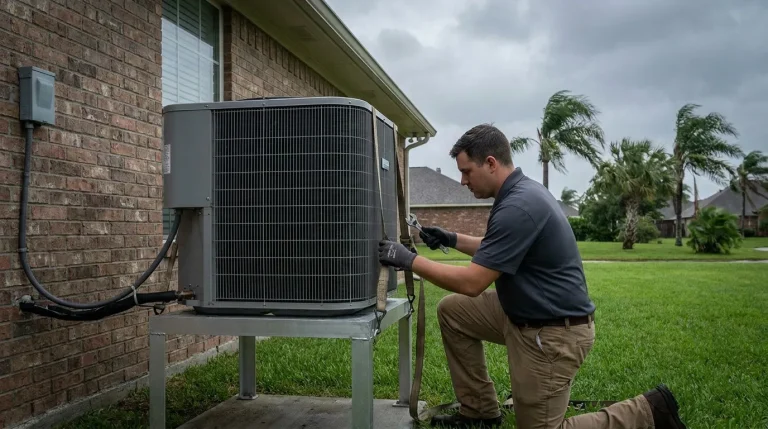
HVAC extreme weather preparation in Houston means planning for three distinct threats rather than one. Hurricane season brings wind, flooding, and extended power outages. Winter brings rare but severe freeze events that our systems and our housing stock are poorly built for. And both bring power surges that destroy electronics in equipment that was otherwise fine. Most national HVAC storm advice addresses one of these. Houston needs all three addressed, and the preparation steps for each are different enough that treating them as one checklist leaves real gaps.
Houston homeowners have a specific kind of weather memory. People here can tell you where they were during Harvey and what their house was like during the February freeze, and those memories shape how seriously they take preparation. That instinct is correct, and HVAC equipment is one of the more expensive things in a home that weather can damage.
What makes our situation unusual is the range. A Gulf Coast city obviously has to plan for hurricanes. A city at our latitude would not normally plan for hard freezes, except that we have learned the hard way that we must. And our grid produces surge events during both kinds of weather, which damages equipment that survived the wind and water perfectly well.
The good news is that meaningful protection mostly comes from a handful of unglamorous measures taken before the season rather than from anything heroic during the event. Let us go through each threat and what actually helps.
Hurricane and Flood Preparation
The Gulf Coast threat is the one Houston homeowners think about most, and the preparation is reasonably well understood.
Equipment elevation is the single most valuable measure
Outdoor condensing units sit on pads, and the pad height relative to your home's flood risk determines whether a storm is an inconvenience or an equipment replacement. In flood-prone areas, elevating the condenser above the expected flood level is the most effective protection available. Water that reaches the electrical components and the compressor typically means replacement rather than repair, because equipment doesn't recover from saltwater and floodwater contamination. If you are already planning a system replacement, elevation is far cheaper to build in at installation than to retrofit afterward.
Secure the unit against wind
Outdoor units should be properly anchored to their pad with hurricane-rated tie-downs or straps. A condenser that shifts or tips in high wind can damage refrigerant line connections even if the unit itself survives, turning a wind event into a refrigerant loss. This is inexpensive and frequently overlooked.
Clear the surroundings before the storm
Anything nearby that can become a projectile will find the condenser. Secure or bring inside patio furniture, planters, grills, and yard debris. Trimming branches that overhang the unit is worth doing before hurricane season, not during a watch.
Shut the system down properly if flooding is expected
If water is likely to reach the equipment, turn off the system at the breaker before the water arrives to prevent electrical damage to energized equipment. This is one of the few during-the-event actions that genuinely matters. Broader household preparation guidance is well organized in the federal hurricane preparedness resources at Ready.gov, which is worth reviewing alongside the equipment-specific steps here.
Do not run a submerged or water-exposed system afterward
After flooding, equipment that was submerged or partially submerged should be professionally evaluated before anyone attempts to run it. Starting a water-damaged system can turn a recoverable situation into a total loss and creates genuine electrical hazards.
Freeze Event Preparation
This is the threat Houston has historically underprepared for, and the one where our building stock works against us.
Our homes are built for cooling, not cold
Houston construction prioritizes handling heat and humidity, which is sensible for eight to nine months of the year. As a result, insulation levels, pipe protection, and air sealing often focus on summer performance. During a hard freeze, those same characteristics can cause homes to lose heat faster than the heating system can replace it.
Heat pumps need their outdoor unit clear
Heat pumps extract heat from outdoor air, so the outdoor unit must stay clear of ice, snow accumulation, and drifted debris to breathe. Keeping the area around the unit unobstructed and making sure it is not sitting where runoff will freeze around it matters during a freeze event. Heat pumps remain strongly favorable for Houston's mild winters generally, and their performance during rare freezes is a design consideration rather than an argument against them.
Understand your backup or auxiliary heat
If you have a heat pump, know whether it has electric resistance backup or a gas furnace as a dual fuel pairing, and know how to engage emergency heat if needed. Homeowners who have never looked at this before a freeze tend to discover the answer at the worst moment.
Protect condensate lines and exposed piping
Condensate drain lines can freeze and back up during severe cold, which causes water problems indoors. Exposed lines, particularly in attics and on exterior walls, benefit from insulation before winter rather than during it.
Plan for grid instability
Freeze events in Texas have produced grid stress and outages. If your household has medical needs or is particularly vulnerable to cold, a plan that doesn't depend on continuous electricity is worth thinking through in advance rather than improvising.
Power Surge Protection
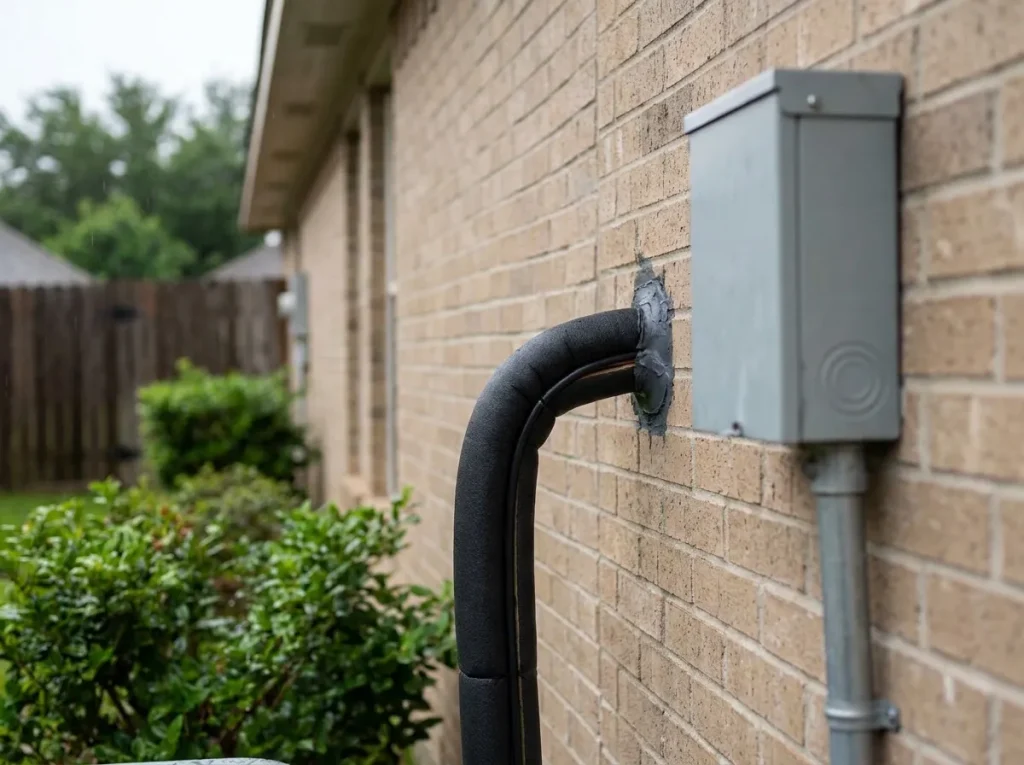
The threat that damages equipment which survived everything else.
Surges come with both kinds of weather
Lightning during summer storms and grid instability during freeze events both produce voltage spikes. Modern HVAC equipment contains control boards, variable-speed drives, and communicating components that are far more surge-sensitive than the simple relay-based equipment of thirty years ago. The more sophisticated the system, the more there is to lose.
Dedicated HVAC surge protection is worthwhile
A surge protective device installed at the equipment, or whole-home surge protection at the panel, is modest insurance against damage that can take out an expensive control board. For homes with variable-speed or communicating equipment, this is one of the better-value protective measures available.
Restore power deliberately after an outage
When power returns after an outage, it often comes back unstable. Leaving the HVAC breaker off for a short period after restoration, then turning it on once supply has steadied, reduces exposure. Many modern systems have built-in delay protection, but not all do.
| Threat | Primary risk to HVAC | Most effective preparation |
|---|---|---|
| Hurricane wind | Unit displacement, line damage, debris impact | Anchoring, clearing surroundings, trimming overhangs |
| Flooding | Total loss of outdoor unit and electrical components | Elevation above flood level, shutdown before water arrives |
| Hard freeze | Capacity shortfall, iced outdoor unit, frozen condensate | Clear unit area, insulate lines, know your backup heat |
| Power surge | Control board and drive failure | Surge protection at equipment or panel, deliberate restoration |
| Extended outage | No conditioning, restart instability | Generator compatibility planning, staged restart |
How Our Team Builds Resilience Into System Planning
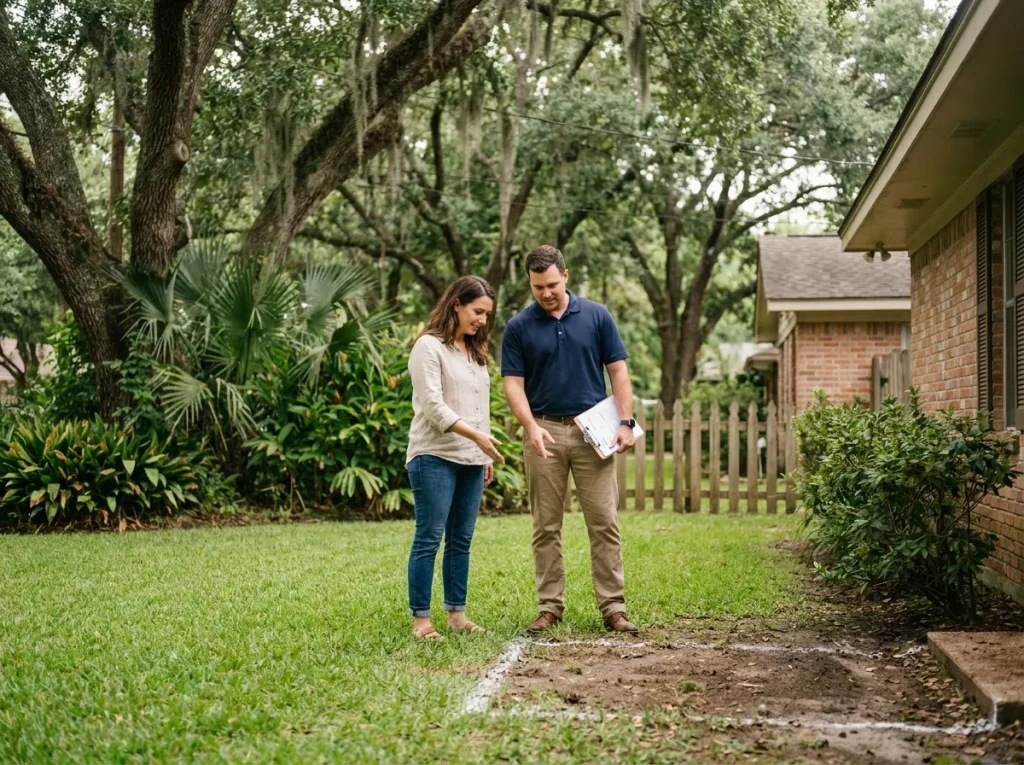
The most effective weather preparation happens at installation, not during a watch.
Placement decisions are protection decisions
Where an outdoor unit goes determines much of its weather exposure for the next fifteen years. Elevation relative to flood risk, distance from trees and potential projectiles, exposure to prevailing storm winds, and drainage around the pad all get decided once and then live with the home. When we plan a new AC unit installation, these factors are part of the conversation rather than an afterthought, because retrofitting elevation later is far more disruptive than building it in.
Correct sizing improves freeze resilience
A properly sized system maintains comfort during extreme conditions better than an oversized one, which sounds counterintuitive until you consider how oversized systems behave. They short cycle, control humidity poorly, and do not deliver the steady, sustained output that extreme conditions call for. Sizing comes from evaluating insulation, ductwork condition and layout, ceiling heights, window orientation, and airflow distribution, and doing that well produces a system that holds up better when the weather gets serious. Oversizing remains the most common HVAC problem we see in Houston homes, and it hurts most precisely when conditions are hardest.
Equipment choice affects outage and freeze behavior
Whether a home has a straight heat pump, a heat pump with electric backup, or a dual-fuel pairing with a gas furnace changes how it behaves during a freeze and an outage. Homes with gas service have options that all-electric homes do not. Consider this as part of any heating and AC installation decision, not after an event.
Generator compatibility is worth planning
If a household is considering a standby generator, the HVAC load is usually the largest single factor in sizing it. Coordinating those decisions is much easier before equipment is selected than after. A HVAC contractor who knows a generator is in your plans can factor it into the recommendation.
Key Takeaways
- Houston HVAC needs preparation for three distinct threats: hurricanes and flooding, hard freezes, and power surges from both
- Elevating the outdoor unit above flood level is the single most valuable protective measure in flood-prone areas
- Anchoring the condenser and clearing potential projectiles addresses the wind side of hurricane risk inexpensively
- Houston homes are built for cooling, so freeze events expose insulation and sealing gaps that summer never reveals
- Surge protection at the equipment or panel protects the control boards and drives in modern systems
- The most effective preparation is decided at installation through placement, sizing, and equipment choice rather than during a weather watch
Frequently Asked Questions
How do I protect my HVAC system from hurricane damage in Houston?
Focus on three things before the season. First, elevation: if you are in a flood-prone area, raising the outdoor unit above the expected flood level is the most valuable protection available, because floodwater contamination typically means replacement rather than repair. Second, anchoring: hurricane-rated tie-downs keep the unit from shifting in high wind, which protects the refrigerant line connections. Third, clearing: secure patio furniture, planters, and yard items that can become projectiles, and trim overhanging branches. If flooding is expected, shut the system off at the breaker before water arrives.
What should I do to prepare my heating system for a Houston freeze?
Start with the outdoor unit if you have a heat pump, keeping the area around it clear so it can breathe and making sure it does not sit where runoff will freeze around it. Insulate exposed condensate lines and piping, particularly in attics and along exterior walls, since frozen condensate lines cause indoor water problems. Learn how your backup or auxiliary heat works before you need it, whether that is electric resistance or a gas furnace in a dual fuel setup. And recognize that Houston homes are built for cooling, so insulation and air sealing gaps that never matter in summer become significant during a hard freeze.
Do I need surge protection for my HVAC system?
It is worth considering, especially with modern equipment. Today's systems contain control boards, variable-speed drives, and communicating components that are far more sensitive to voltage spikes than older relay-based equipment. Houston gets surge exposure from summer lightning and from grid instability during freeze events, so the risk comes from both directions. A surge protective device at the equipment or whole-home protection at the panel is modest insurance against losing an expensive control board. After an outage, it also helps to leave the HVAC breaker off briefly until supply steadies.
Can I run my AC after it has been in a flood?
No, not before a professional evaluation. Equipment that was submerged or partially submerged should be inspected before anyone attempts to start it. Floodwater carries contaminants that damage electrical components and the compressor, and energizing a water-damaged system can turn a potentially recoverable situation into a total loss while creating real electrical hazards. Have it assessed first, and expect that significant water intrusion into the electrical components or compressor usually means replacement rather than repair.
Should I turn off my AC during a hurricane?
If flooding is expected to reach the equipment, yes, shut it off at the breaker before the water arrives, since de-energized equipment suffers less electrical damage than energized equipment. For a wind-only event without flood risk, the calculation is different and the system can generally continue running until power is lost. The more important considerations for a wind event are that the unit is properly anchored and that nearby objects that could become projectiles have been secured well in advance.
Conclusion
Weather preparation for HVAC equipment tends to get discussed as an emergency checklist, but most of what actually protects a system was decided long before the storm. Where the outdoor unit sits, how high it sits, whether it is anchored, whether the home has surge protection, whether the system was sized correctly for the house: these are installation decisions that determine outcomes years later.
Houston's particular challenge is that we face a combination of threats that few other markets do. Hurricane and flood exposure is expected here. Hard freezes are not, which is exactly why our housing stock handles them poorly. And surge events accompany both.
At VeriChill, our team folds resilience into system planning rather than treating it as a separate topic. Placement and elevation get discussed when we plan where equipment goes. Correct sizing based on your home's insulation, ductwork, ceiling heights, window orientation, and airflow distribution produces a system that performs better under extreme conditions, not just average ones. And equipment choices that affect freeze and outage behavior get explained before they are made, not after a February event makes them obvious.
Want your HVAC planning to account for Houston's full weather range? Call us at 281-559-6995 or visit verichill.com to schedule a consultation.