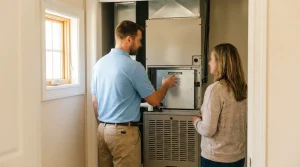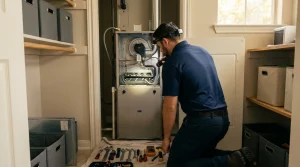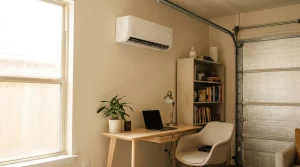
A fall AC assessment after summer is the single most useful thing a Houston homeowner can do for next year's comfort. Our cooling season runs eight to nine months, so by late September your system has just finished the hardest stretch of work it will do all year. A post summer ac check looks at how the system actually behaved under load, not how it looks sitting idle: runtime patterns, comfort complaints, humidity control, energy use compared with last year, and any repairs along the way. Doing that evaluation now, while the evidence is fresh, gives you a calm window to plan rather than a forced decision during next July's first breakdown.
A particular kind of relief arrives in Houston around late September. The afternoons finally drop out of the upper nineties, the AC stops running almost continuously, and the whole house feels easier. Most homeowners exhale and stop thinking about their air conditioner entirely until it starts struggling again next summer.
That gap is the expensive part. Your system just spent four months under the heaviest load it will ever carry, and everything it learned about its own condition is sitting right there in how it performed. Six months from now, when you are trying to remember whether the upstairs was always that warm or whether it got worse this year, the evidence will be gone.
An end of summer ac inspection is not about finding something wrong. Often it confirms that a system has plenty of life left, which is genuinely useful information. It replaces guesswork with a clear read on condition, so you can make decisions ahead of next season on your schedule instead of during a heat emergency. Let us walk through what a fall AC evaluation actually examines and how to read what you find.
Why Houston Summers Are Uniquely Hard on AC Systems
A cooling season here is not comparable to one in a milder market, and that difference is exactly why post-season evaluation matters more in Houston than almost anywhere else.
Runtime that never really stops
In much of the country, an air conditioner works hard for six to ten weeks and coasts the rest of the year. In Houston, the cooling season stretches across eight to nine months, and from June through September the system may run for most of each day. Components wear out on a schedule that has little in common with the national averages equipment lifespans are usually quoted against.
Humidity is a second job
Our average humidity sits above 75 percent for much of the year, which means your AC is not only lowering temperature; it is pulling an enormous volume of moisture out of the air continuously. That latent load stresses the coil, the drainage system, and the compressor in ways a dry-climate system never experiences. A unit that cooled adequately but left the house feeling clammy has told you something important about its condition.
The oversizing problem shows itself under load
Oversizing remains the most common HVAC problem we encounter in Houston homes, and summer is when it becomes visible. An oversized system satisfies the thermostat quickly, shuts off before it has removed much moisture, and short-cycles all afternoon. The house reads the right temperature and still feels sticky. If that describes your summer, the assessment should look at sizing, not just component wear.
Coastal air adds a corrosion clock
Gulf Coast air carries salt and moisture inland, and outdoor equipment pays for it. Fin corrosion, cabinet rust, and degraded electrical connections progress faster here than in inland markets, and a post-summer look at the condenser catches that progression while it is still manageable.
What a Fall AC Evaluation Actually Examines
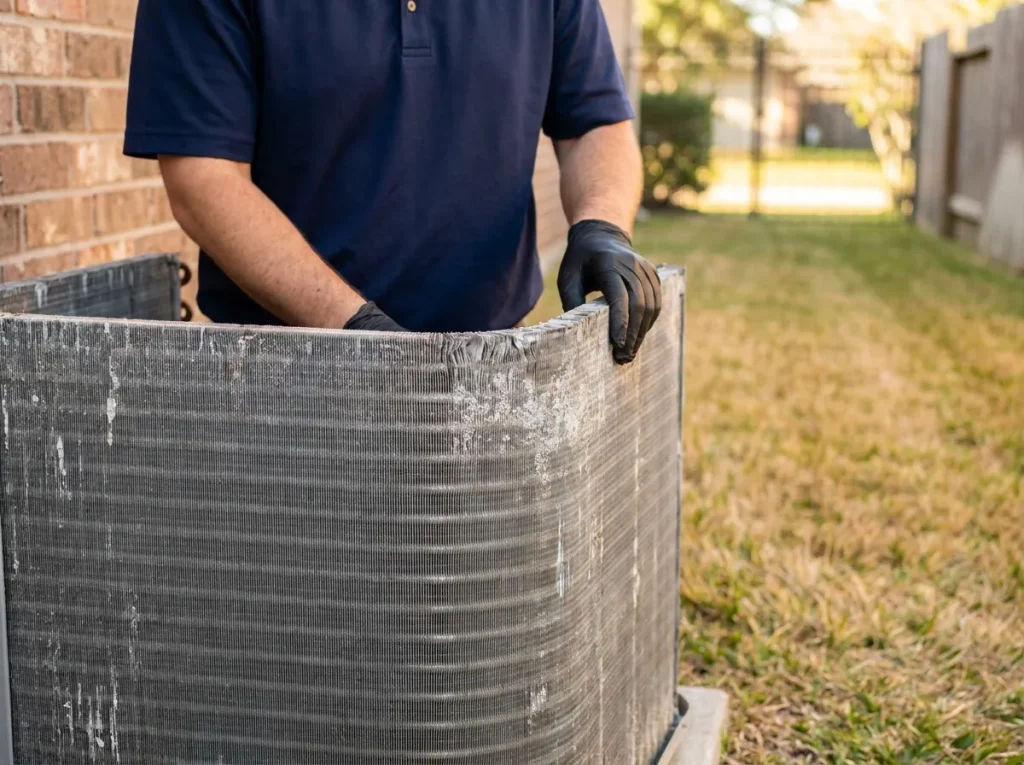
A useful assessment is mostly about evidence you already have, combined with a look at the physical condition of the equipment.
Performance evidence from the season you just finished
Before anyone opens a panel, the most valuable data is your own experience of the summer. Did any room fall behind on the hottest afternoons? Did the system keep up in July as well as it did in May? Did you find yourself lowering the thermostat to get the same comfort you used to get at a higher setting? Each of those is a performance signal, and together they describe the system's real capacity far better than a single measurement on a mild fall day.
Humidity and comfort quality
Temperature alone is a poor measure of an AC system in Houston. A system that hit its setpoint while leaving the house damp, or that produced noticeable swings between cool and warm through the afternoon, is telling you about run cycles and sizing. A well-matched system delivers consistent, even comfort with dry air.
Energy consumption compared with prior years
Pull your electricity usage for June through September and set it against the same months last year and the year before. Weather varies, so a single year of change means little, but a steady climb in consumption for similar weather is one of the clearest signs of declining efficiency. The efficiency of the equipment you would replace it with is also worth understanding, since manufacturers publish performance under the AHRI performance rating framework for air conditioners and heat pumps that lets you compare models on equal terms.
Repair history from the season
One repair in a season is normal maintenance life. A second repair, especially anything involving the compressor, the refrigerant circuit, or the control board, changes the picture. Repairs cluster as systems age, and a summer with multiple service calls usually predicts more.
Physical condition of the equipment
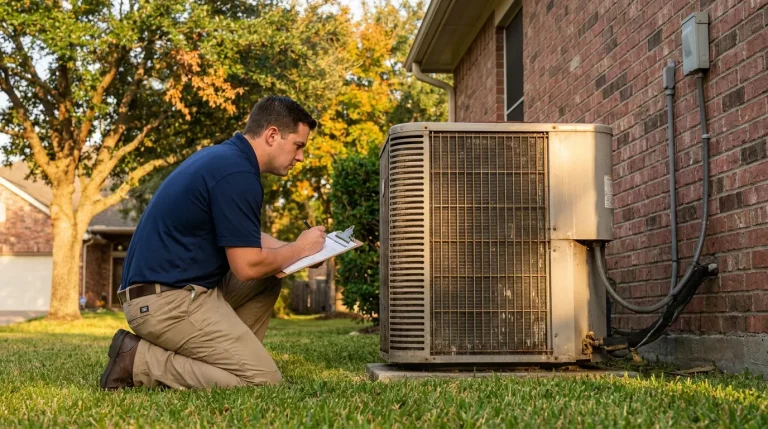
Inspect the outdoor unit for corroded or bent fins, a rusted cabinet base, debris packed into the coil, and secure electrical connections. Indoors, the coil, the drain pan, and the drain line deserve attention after four months of heavy condensation, since blockages and biological growth develop quickly in our humidity.
Reading Your Results and Deciding What Comes Next
An assessment is only useful if it leads somewhere. Here is how the common outcomes tend to sort out.
| What the season showed | What it usually means | Reasonable next step |
|---|---|---|
| Strong comfort, dry air, stable energy use, no repairs | System is in good condition | Note the baseline and reassess next fall |
| Good cooling but persistent humidity or short cycling | Likely a sizing or staging mismatch | Evaluate equipment match before next season |
| Noticeable decline in hot-weather capacity | Capacity loss, often age related | Begin planning a replacement timeline |
| Rising energy use across comparable summers | Efficiency degradation | Compare operating cost against a modern system |
| Two or more repairs, or any major component repair | Reliability is trending down | Weigh further repair against replacement |
| System is fifteen years old or more | Near or past typical Houston service life | Plan proactively rather than reactively |
System age carries extra weight in Houston
Because our runtime is so much longer than the national norm, a Houston air conditioner reaches the end of its practical life sooner than the same equipment would elsewhere. A system in its mid-teens that performed well this summer is not an emergency, but it is a system worth planning around. A system in its mid-teens that struggled in July is giving you a clear signal.
The repair-versus-replace conversation belongs in the fall
Deciding between another repair and a replacement is a genuinely difficult call, and the worst possible moment to make it is during a failure in August, when the pressure is highest and the options are narrowest. Working through it in the fall, with the season's evidence in hand, produces better decisions. It is also when an honest conversation with a professional AC installation team is most useful, because there is time to evaluate options rather than just restore cooling.
Fall timing works in your favor
The stretch between cooling season and heating season is the calmest part of the HVAC year in Houston. Scheduling is more flexible, planning conversations are unhurried, and any work happens during weather where being without cooling for a day is an inconvenience rather than a crisis. If your assessment points toward HVAC replacement, the months right after summer are the most comfortable window to act.
How Our Team Approaches a Post-Summer Assessment

Our approach is consultative rather than transactional, and that distinction matters most in a fall assessment.
We start with your experience of the summer
Before evaluating equipment, we ask what the season was actually like in your home. Which rooms were comfortable and which were not, when performance seemed to change, how the humidity felt, what the energy bills did. That narrative frames everything else, because it describes the system under real load rather than under a mild-day spot check.
We evaluate the home, not just the box
If the assessment suggests a change is coming, the evaluation widens to the conditions the equipment has to work in: insulation levels, ductwork condition and layout, ceiling heights, window orientation, and how air actually distributes through the house. These factors determine whether a replacement performs well or repeats the same problems, and skipping them is how oversized systems keep getting installed.
We are direct when the answer is no
Plenty of fall assessments end with a straightforward conclusion that the system is in good shape and there is nothing to do. That is a legitimate and useful outcome, and we say so rather than manufacturing a reason to quote work. Because we install rather than service, we have no interest in stretching a healthy system into a project.
We help you plan a timeline
When replacement is genuinely on the horizon, the goal is a timeline rather than an immediate decision. Knowing you are likely one or two seasons out lets you plan the budget, consider whether a heat pump makes sense given how favorable our mild winters are for them, and choose your moment. That same conversation often extends to your heating side, since a system change is the natural time to think about heating and cooling installation as one coordinated decision rather than two separate emergencies.
Key Takeaways
- Houston's eight to nine month cooling season means a post summer ac check has more diagnostic value here than in milder markets
- The most useful evidence is how the system behaved under real load: capacity on hot afternoons, humidity control, comfort consistency, and energy use compared with prior summers
- Persistent humidity alongside adequate cooling often points to oversizing or a staging mismatch rather than component failure
- Two or more repairs in one season, or any major component repair, signals a reliability trend worth taking seriously
- Gulf Coast salt air accelerates corrosion on outdoor equipment, making an annual physical inspection of the condenser worthwhile
- Fall is the calmest window to plan or act, and a decision made now beats one forced during a July failure
Frequently Asked Questions
What should a fall AC assessment after a Houston summer include?
It should combine your experience of the season with a physical evaluation. On the experience side, that means capacity on the hottest afternoons, whether any rooms fell behind, how well humidity was controlled, whether comfort was consistent or swung through the day, and how June through September energy use compared with prior years. On the equipment side, it means inspecting the outdoor coil and cabinet for corrosion and debris, checking electrical connections, and examining the indoor coil, drain pan, and drain line after months of heavy condensation. Repair history from the season rounds out the picture.
How do I know if my AC is declining or just working hard?
Compare across seasons rather than judging a single hot day. A healthy system delivers roughly the same comfort this July that it did last July under similar weather. Decline shows up as needing a lower thermostat setting to get the comfort you used to get higher, rooms that used to keep up and now fall behind in the afternoon, longer recovery after the hottest part of the day, or steadily rising energy use for comparable weather. Any one of those alone can have another explanation, but two or three together usually indicate real capacity or efficiency loss.
Is fall a good time to replace an AC system in Houston?
It is one of the best windows. The stretch between cooling and heating season is the calmest part of the HVAC year here, which means scheduling is more flexible and planning conversations are unhurried. Just as importantly, being without cooling for a day during mild fall weather is an inconvenience rather than an emergency. Replacing on your own timeline in October produces a better outcome than replacing under pressure during a July failure, when the priority becomes restoring cooling quickly rather than getting the equipment match right.
My house cooled fine but felt humid all summer. What does that mean?
That pattern usually points to sizing or staging rather than a failing component. An oversized air conditioner satisfies the thermostat quickly and shuts off before it has run long enough to remove much moisture, so the temperature reads correctly while the air stays damp. Because Houston humidity averages above 75 percent, moisture removal is half the job here, and a system that only handles the temperature half will never feel right. Oversizing is the most common HVAC problem we see locally, and correcting it is a sizing conversation rather than a repair.
How long should an air conditioner last in Houston?
Less than the national figures suggest, because our runtime is so much longer. With eight to nine months of cooling demand each year, Houston systems accumulate operating hours far faster than systems in markets with short summers. A well-installed, well-matched system reaching its mid-teens here has generally delivered a full service life. That does not mean it fails at a specific age, and plenty of systems run longer, but a system in its mid-teens is worth planning around rather than assuming it will keep going indefinitely.
Conclusion
The end of a Houston summer is the most informative moment in the HVAC year, and it passes quickly. Your system has just told you everything it knows about its own condition through how it handled four months of continuous demand, and that information stays useful only if someone writes it down while it is fresh.
At VeriChill, our team treats the fall assessment as a planning conversation rather than a sales opportunity. Sometimes it ends with nothing to do, which is a perfectly good outcome. Sometimes it reveals a sizing mismatch that explains years of humidity complaints. Sometimes it establishes that you are a season or two from replacement, which is exactly the kind of thing you want to know in October rather than in July. In every case, the goal is the same: to put you in a position to decide calmly, with real evidence, on a timeline that suits you.
Wondering what this summer revealed about your system? Call us at 281-559-6995 or visit verichill.com to schedule a consultation.