Most Houston homes need an HVAC system between 2 and 5 tons, with a common starting estimate of about 1 ton of cooling per 500 to 600 square feet. A 1,800 square foot home often lands near 3 tons, or 36,000 BTU per hour, but insulation, windows, ductwork and ceiling heights set the final size.
If you are replacing an older system or building a new home, the size of the equipment is the decision that shapes almost everything else, from your summer electric bills to how sticky your house feels on a humid August evening. It is also the decision most often made carelessly, because the easiest answer is to copy whatever size was installed before.
Houston makes sizing more demanding than most of the country. With an eight to nine month cooling season and humidity that regularly sits above 75 percent, a system has two jobs at once, lowering the temperature and pulling moisture out of the air, and a unit that is the wrong size tends to fail at one of them even if it technically keeps up with the other.
In this guide, you'll learn how HVAC size is measured, the size ranges typical for Houston homes of different square footage, the home characteristics that push the right size up or down, why oversizing is such a common problem here, and how our team at VeriChill sizes a system for your specific house.
How HVAC System Size Is Measured
Residential air conditioners and heat pumps are sized in tons, a measure of cooling capacity rather than weight. One ton equals 12,000 BTU per hour, which is the amount of heat the system can remove from your home each hour when it is running at full capacity.
| Nominal size | Cooling capacity | Where it typically fits |
|---|---|---|
| 1.5 tons | 18,000 BTU per hour | Small homes, apartments, or a single upstairs zone |
| 2 tons | 24,000 BTU per hour | Compact single-story homes |
| 2.5 tons | 30,000 BTU per hour | Smaller family homes with good insulation |
| 3 tons | 36,000 BTU per hour | Many mid-size Houston homes |
| 3.5 tons | 42,000 BTU per hour | Larger single-story or modest two-story homes |
| 4 tons | 48,000 BTU per hour | Larger homes or homes with heavy sun exposure |
| 5 tons | 60,000 BTU per hour | The largest standard residential single system |
Five tons is the upper limit for a standard residential split system. Larger homes, and many two-story homes in the Houston suburbs, often use two separate systems, one for each floor, which also gives each level its own thermostat and better control of the hotter upstairs rooms.
Tons Versus Efficiency
Size and efficiency are separate measurements, and it is worth keeping them apart when you compare quotes. Tonnage tells you how much cooling the system delivers, while the SEER2 rating tells you how efficiently it delivers that cooling, so a 3 ton system can be rated at the 14.3 SEER2 Southeast minimum or well above 16 SEER2.
Typical System Sizes for Houston Homes by Square Footage
Square footage is the most common starting point for a size estimate, and the ranges below reflect what many Houston homes of each size end up with. Treat them as a starting point for a conversation rather than an answer, because two homes with the same square footage can need very different systems.
| Home size | Typical starting range | Common result in Houston |
|---|---|---|
| 1,000 to 1,300 sq ft | 1.5 to 2.5 tons | About 2 tons |
| 1,300 to 1,700 sq ft | 2 to 3 tons | About 2.5 tons |
| 1,700 to 2,100 sq ft | 3 to 3.5 tons | About 3 tons |
| 2,100 to 2,600 sq ft | 3.5 to 4.5 tons | About 4 tons |
| 2,600 to 3,000 sq ft | 4 to 5 tons | About 4 to 5 tons, or two systems |
| Over 3,000 sq ft | Usually two systems | One system per floor or zone |
The common rule of thumb of 1 ton per 500 to 600 square feet sits behind most of these ranges. A well-insulated newer home with modern windows can often come in under the rule, while an older home with single-pane windows, a dark roof and leaky ducts may need more capacity than square footage suggests.
The Home Characteristics That Change the Right Size
A proper sizing assessment looks at how your home gains and holds heat, not just how big it is. These factors can move the right size up or down by a half ton or more, which is why sizing by square footage alone so often misses.
| Factor | Pushes size down when | Pushes size up when |
|---|---|---|
| Attic insulation | Deep, even insulation is in place | Insulation is thin, compressed or missing in spots |
| Windows | Double-pane, low-E glass, shaded | Single-pane glass, large west-facing windows |
| Window orientation | Most glass faces north or is shaded by trees | Large windows face west or south into afternoon sun |
| Ceiling heights | Standard 8 foot ceilings | Vaulted ceilings or 10 foot and taller rooms |
| Ductwork | Sealed ducts inside or well insulated | Leaky ducts running through a hot attic |
| Air sealing | A tight, newer home | Drafty doors, attic bypasses, older construction |
| Occupancy and use | Few people, little cooking heat | Large household, home office equipment, frequent cooking |
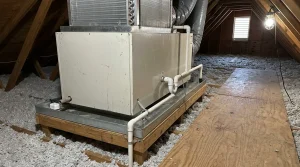
Ductwork deserves special attention in Houston, because most ducts run through attics that reach well above 130 degrees in summer. Leaky or poorly insulated ducts lose cooling before it reaches your rooms, and replacing the equipment with a larger unit to compensate only hides the problem while raising your bills.
Why Copying the Old Size Often Goes Wrong
The system you have now may have been oversized from the start, and your home may have changed since, with new windows, added insulation or a remodel. Sizing from the home as it is today, rather than from the old nameplate, is the only way to know the new system fits.
Why Oversizing Is Houston's Most Common HVAC Mistake
It seems logical that a bigger system would handle Houston heat better, but in a humid climate the opposite is often true. An oversized system cools the air so quickly that it reaches the thermostat setting and shuts off before it has run long enough to pull moisture out of the air, a pattern called short cycling.
The result is a house that feels cool but clammy, which often leads homeowners to lower the thermostat and spend more on electricity to feel comfortable. Short cycling also means more starts and stops for the compressor, which adds wear and can shorten the life of the equipment.
This is where equipment choice and size work together. A two stage hvac system runs most of the time at a lower output, giving it longer cycles that remove more moisture, which is why two-stage equipment is the recommended fit for most Houston homes when it is sized correctly. Variable speed and inverter systems take that idea further by adjusting output continuously.
What Undersizing Looks Like
An undersized system has the opposite problem, running almost constantly on the hottest afternoons and falling behind the thermostat when temperatures climb toward 100 degrees. It is less common than oversizing, but it shows up in homes that added square footage or where ducts lose much of the system's output.
How VeriChill Sizes Your System
At VeriChill, we install and replace residential systems only, and sizing is the part of the process we take the most time over, because it decides how every other part of the system performs. Here is how that works for your home.
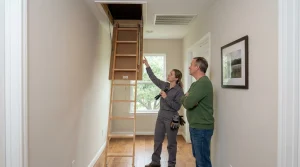
Comprehensive home evaluation. We visit your home and assess the characteristics that decide the right size, including your ductwork, airflow, insulation, window orientation and ceiling heights, rather than relying on square footage or the old unit's label.
System design for Gulf Coast conditions. We design for both temperature and humidity, which often means recommending two-stage equipment that runs longer, steadier cycles through Houston's long cooling season.
Transparent written estimate. Your itemized estimate shows the recommended size and system type in plain language, so you understand why the equipment fits your home.
Performance verification. After installation, we verify the system is operating at peak efficiency, including airflow and refrigerant charge, before we consider the job complete.
The Air Conditioning Contractors of America publishes the ACCA quality standards that describe how residential systems should be designed, installed and verified, and they are a good reference if you want to see what a thorough sizing process involves. If you are planning a new home hvac system, that same standard is a fair measure to hold any installer to.
Key Takeaways
- Most Houston homes need an HVAC system between 2 and 5 tons, and one ton equals 12,000 BTU per hour of cooling. A common starting estimate is about 1 ton per 500 to 600 square feet, with many mid-size homes landing near 3 tons.
- Square footage is only a starting point, and the final size comes from an on-site assessment. Insulation, windows, window orientation, ceiling heights, ductwork and air sealing can each move the right size by half a ton or more.
- Five tons is the practical limit for a single residential system. Larger and two-story homes often use two systems, one per floor, for better control of upstairs temperatures.
- Oversizing is Houston's most common HVAC mistake. An oversized unit short cycles, leaves the house clammy, and wears the compressor faster, even while it keeps the temperature down.
- Copying the size of your old unit repeats any mistake made when it was installed. Sizing from the home as it is today accounts for new windows, insulation or remodels.
- Two-stage systems sized correctly are the recommended fit for most Houston homes. Their longer, lower-output cycles remove more humidity than single-stage equipment of the same size.
Frequently Asked Questions
How many square feet does a 3 ton AC cool in Houston?
A 3 ton system commonly suits a Houston home of roughly 1,700 to 2,100 square feet. Insulation, windows and ductwork decide where your home actually falls in that range.
What size AC do I need for a 2,000 square foot house?
A 2,000 square foot Houston home often needs about 3 to 3.5 tons. An on-site assessment of insulation, windows and ducts narrows it to the right size.
Is a bigger AC unit better in Houston's humidity?
A bigger unit is usually worse in Houston's humidity, because it cools too quickly and shuts off before removing enough moisture. The house ends up cool but clammy.
How do I know if my current AC is oversized?
Short cycles of only a few minutes, a clammy feeling at normal temperatures, and uneven rooms are common signs. An evaluation of your home and ductwork confirms it.
Can I size an HVAC system by square footage alone?
Square footage gives a reasonable first estimate, but it misses insulation, windows, orientation, ceiling height and duct losses. Those factors can shift the right size by half a ton or more.
Do two-story Houston homes need two HVAC systems?
Many do, particularly above about 3,000 square feet. A separate upstairs system keeps bedrooms comfortable, because heat rises and upper floors run warmer.
Does ductwork affect what size system I need?
Ductwork affects it a great deal. Leaky ducts in a hot attic lose cooling before it reaches your rooms, and sealing them is better than oversizing to compensate.
What happens if my AC is undersized?
An undersized system runs almost constantly on the hottest days and struggles to reach the thermostat setting. Energy use climbs and the equipment wears faster.
Should my new system be the same size as my old one?
The new system should match your home today, not the old nameplate. Many older units were oversized, and upgrades such as new windows can lower what you need.
Does system type change the size I need?
The cooling capacity your home needs stays the same, but system type changes how it is delivered. Two-stage and variable speed systems match output to demand and control humidity better.
Conclusion
Most Houston homes need somewhere between 2 and 5 tons of cooling, and a rule of thumb of about 1 ton per 500 to 600 square feet gives you a sensible first estimate. The right size for your house, though, comes from how it gains and holds heat, and an on-site look at insulation, windows, orientation, ceiling heights and ductwork is what turns an estimate into a system that controls both temperature and humidity.
Getting the size right is the single decision that protects your comfort, your electric bills and the life of the equipment through Houston's long summers. When you want a size recommendation built around your own home, book an in-home sizing evaluation with our team.
Call VeriChill at 281-559-6995 to size your new system. Get your Houston home sized before you buy.