A high AC bill in Houston during summer comes down to three stacked forces: dramatically more runtime hours, higher electrical draw against 95-plus-degree outdoor temperatures, and rate plans that charge premium prices during afternoon peak demand hours. The most effective ways to reduce the AC bill Houston households pay are raising the thermostat setpoint a few degrees, tightening up the home's insulation and air sealing, replacing or cleaning filters on schedule, and making sure the equipment itself is correctly sized and staged for our long cooling season.
Every summer, sometime in June or early July, the first big electric bill of the season lands and Houston homeowners have the same reaction. That is a lot of money to cool one house. The instinct is to blame the AC, or the electric provider, or the weather, and there is truth in all three. What actually makes the bill spike, though, is a combination of factors that stack up in exactly the wrong way from May through September.
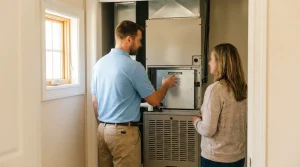
Our team hears this concern from customers every summer, and the honest answer is that some of the spike is unavoidable in a climate like ours. But a meaningful chunk of it is controllable, and it's worth understanding before the next bill arrives. This is one of the most common conversations we have in HVAC HVAC service Houston work each cooling season.
Let us walk through what actually drives your summer AC bill up, why our climate stacks the deck against you, and the specific steps that produce the biggest reduction for the least effort.
What Actually Drives a High AC Bill Summer After Summer in Houston
An electric bill for AC operation is fundamentally about runtime hours multiplied by the equipment's electrical draw multiplied by the rate you pay per kilowatt-hour. Several things push all three of those numbers up in summer.
- Runtime hours climb dramatically. From November through March, most Houston AC systems run a few hours a day. From June through September, that same equipment often runs twelve to eighteen hours a day, and in the worst weeks, closer to around the clock. Every extra runtime hour is a direct line item in your summer energy costs.
- Outdoor temperature raises electrical draw. AC efficiency depends partly on how hard the compressor has to work to move heat from indoors to outdoors. A 100-degree outdoor day forces the compressor to work considerably harder than a 78-degree day, which increases kilowatt-hour consumption per hour of runtime.
- Peak demand pricing catches many households. Houston sits inside a competitive retail electricity market where many rate plans charge more per kilowatt-hour during afternoon peak demand hours, which is exactly when your AC is running hardest. Every plan is different, and the exact math depends on your provider and rate structure.
- Insulation and air sealing gaps let cooling escape. A leaky attic, gaps around recessed lights, or air passing through unsealed penetrations mean the AC has to replace conditioned air that literally floats out of the house all day.
- Equipment condition matters. A dirty coil, a clogged filter, a low refrigerant charge, or an oversized system all push runtime and electrical draw higher than they need to be.
Why a High AC Bill Summer Houston Homeowners Face Feels Inevitable: Our Climate Stacks the Deck
Some of the summer bill spike is not about your house or your equipment. It is about the environment your AC is fighting.
- Eight to nine month cooling seasons mean the equipment gets far less rest than in shorter-season markets. Houston homes accumulate more cooling hours between April and October than many entire annual cooling loads elsewhere.
- Sustained 75-percent-plus humidity forces the equipment to work harder because dehumidification is part of the cooling job. Removing water vapor from the air is thermodynamically expensive, and Houston's humidity level pushes that cost up all summer.
- Superheated attics climb near 150 degrees on peak afternoons, radiating heat down into the living space and heating any ductwork routed through the attic. That radiant load piles onto the AC's job.
- The urban heat island effect in dense parts of Houston keeps nighttime temperatures higher than surrounding areas, extending cooling runtime into the evening and overnight hours.
- Peak demand alignment with peak heat. Houston's electric grid stress peaks in the mid-to-late afternoon on hot days, and residential AC load is one of the biggest drivers of that peak, which is what many rate plans charge premium prices for.
For homeowners planning a heating system replacement or an AC upgrade to reduce these costs long term, the assessment matters as much as the equipment choice, because the biggest gains come from matching capacity and efficiency to how your specific home actually loses cooling to the environment.
The Highest-Impact Steps a Homeowner Can Take
Once you understand what drives the bill up, the useful question is which changes actually reduce it. These are the moves our team sees produce the largest, most reliable reductions.
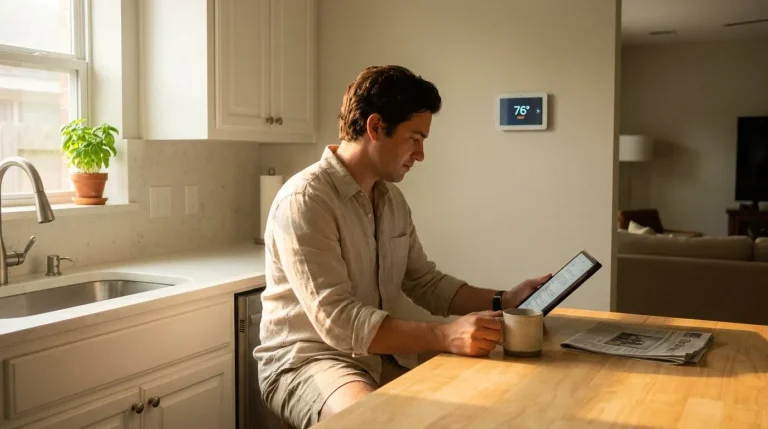
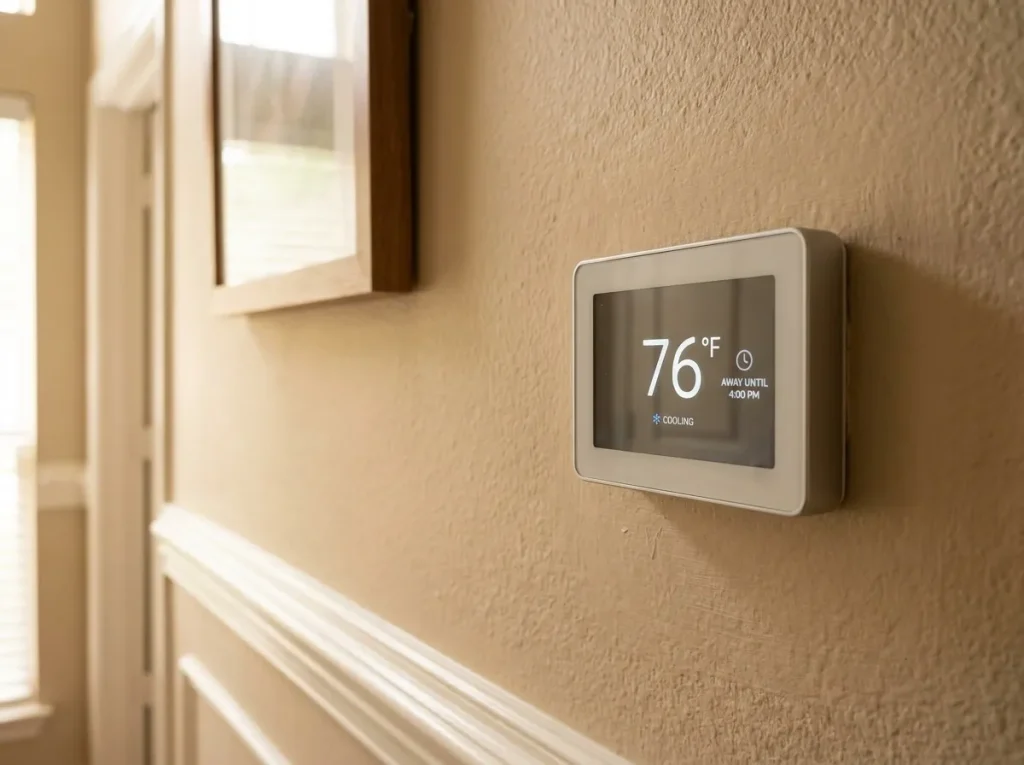
- Raise the thermostat setpoint by two to four degrees. Every degree higher reduces both the cooling load and the equipment's runtime hours. Going from 72 to 76 on the thermostat can produce a noticeable reduction on the next bill without dramatically hurting comfort, especially if your equipment stages well.
- Use programmable or smart thermostat scheduling. Setting the house a few degrees higher when nobody is home during weekdays cuts runtime substantially. ENERGY STAR's smart thermostats overview documents how certified thermostats deliver savings through learning, scheduling, and away-mode features that a manual setpoint change cannot match.
- Change or wash the air filter on schedule. A dirty filter chokes airflow, forcing the equipment to run longer to deliver the same cooling. This is one of the cheapest, easiest wins available, and most homes should be on a monthly or bi-monthly filter routine during the summer.
- Close blinds or curtains on west-facing windows in the afternoon. Solar heat gain through west-facing glass can add significant load in late afternoon exactly when peak demand pricing is highest. Blocking it costs nothing and reduces both the load and the bill.
- Seal obvious air leaks around attic access, recessed lights, and duct penetrations. Even modest air-sealing improvements reduce how much conditioned air escapes and how much hot attic air infiltrates.
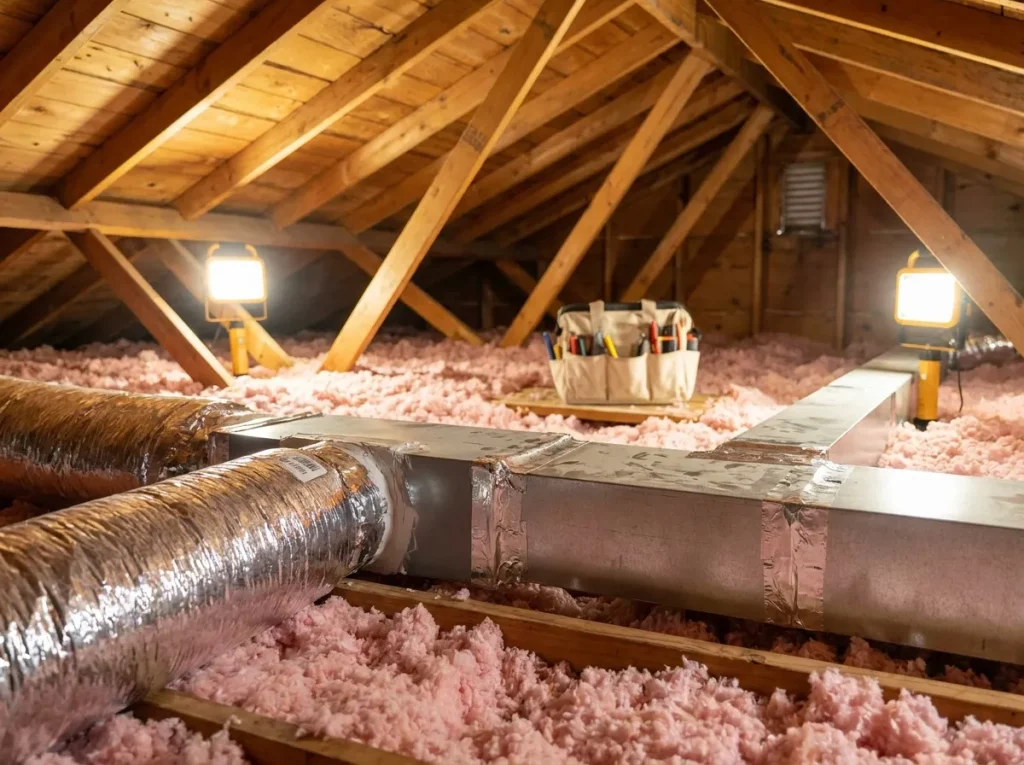
- Verify your ductwork is not leaking. Ducts that leak into the attic waste some of every kilowatt-hour your AC uses. A visual inspection or professional duct assessment can identify obvious leaks that seal easily.
What Only Professional Assessment Can Address
The homeowner-controllable steps above can dial back a summer bill meaningfully. Bigger reductions usually require professional attention to the equipment itself and to the home's envelope.
- Correct sizing. Oversizing is the most common HVAC problem we see in Houston, and it hurts summer bills badly. Oversized equipment short-cycles, runs at poor efficiency, and does not dehumidify, so you get high bills and mediocre comfort at the same time. An assessment looking at insulation, ductwork condition, ceiling heights, window orientation, and airflow distribution is what determines correct sizing for your specific home. ENERGY STAR's 10 tips for hiring an HVAC contractor is a good short reference for what to ask any installer about their sizing process.
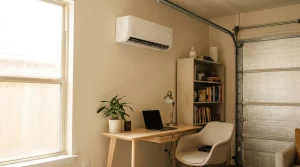
- Correct staging. Single-stage equipment in a Houston climate spends most of the summer cycling too aggressively for our load pattern. Moving to a two-stage or variable-speed system for the next replacement typically cuts seasonal consumption because the equipment runs long and gentle rather than short and full-blast.
- SEER2 upgrade to 16 or higher. Southeast minimum is 14.3 SEER2, but the difference between a minimum-efficiency unit and a 16-plus SEER2 unit shows up meaningfully in a Houston summer bill because that efficiency premium compounds across thousands of runtime hours.
- Ductwork sealing and insulation. Attic-routed ducts that leak or lack proper insulation lose cooling capacity before it reaches the register. Sealing and insulating ducts is one of the highest-return single improvements available for a home with problem ductwork.
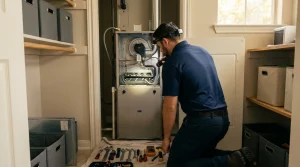
- Refrigerant charge verification. A system running low on refrigerant delivers less cooling per kilowatt-hour. A professional check confirms whether the charge is correct and whether there is a slow leak that needs attention.
For homeowners weighing whether to keep tuning their existing setup or invest in a system upgrade, our team walks through both options during a Houston AC installation consultation and shows the reasoning behind either recommendation, not just the price.
When a New System Actually Pays Back on Bills
Some upgrades pay back on the electric bill within a few summers. Others take much longer. The honest breakdown looks like this.
- Replacing a 15-plus-year-old, standard-efficiency, single-stage system with a modern two-stage or variable-speed 16-plus SEER2 system produces the largest and most reliable seasonal reduction and often justifies itself over the following few summers, especially when combined with duct improvements.
- Replacing an already-modern, correctly-sized, well-installed unit with a newer one for pure efficiency gains rarely justifies itself on bill savings alone. That upgrade is usually driven by comfort, humidity, or noise reasons, not bill reasons.
- Fixing an oversized system through right-sizing at replacement is one of the underrated wins. Homes that have been oversized for years often see meaningful bill reductions from properly sized replacement equipment even without a huge efficiency jump.
- Adding zoning or a two-stage upgrade to a home with chronic comfort complaints often produces bill savings on the side of the primary comfort fix, because the more efficient staging pattern reduces overall consumption.
Financing through Wells Fargo, Synchrony Bank, and Goodleap is available for qualified homeowners who want to spread the investment across a system upgrade rather than face the summer bills of an aging one another year.
Key Takeaways
- Summer AC bills spike because runtime hours climb dramatically, outdoor temperature raises electrical draw, and peak demand pricing catches many Houston rate plans
- Houston's climate stacks the deck with an eight to nine month cooling season, sustained 75-percent-plus humidity, superheated attics, and the urban heat island effect
- Homeowner-controllable steps include raising the setpoint, using thermostat scheduling, changing filters on time, closing west-facing blinds in the afternoon, and sealing obvious air leaks
- Professional steps that produce bigger reductions include correct sizing, moving to two-stage or variable-speed staging, upgrading to SEER2 16-plus, sealing and insulating ductwork, and verifying refrigerant charge
- Oversizing is the most common HVAC problem in Houston and it hurts summer bills through both efficiency loss and poor humidity control
- Replacing an aging single-stage system with modern two-stage or variable-speed equipment often pays back on bills within a few summers, especially when paired with ductwork improvements
- New equipment for its own sake rarely justifies itself on bill savings when the existing system is already modern, correctly sized, and well-installed
Frequently Asked Questions
Why is my ac bill so high in the summer, and how much can I lower it just by adjusting the thermostat?
More than most homeowners expect. Every degree higher on the setpoint reduces both the load on the equipment and the total runtime hours, and Houston's long cooling season means those reductions compound quickly across a summer. Combining a two to four degree setpoint increase with thermostat scheduling that lets the house warm up while nobody is home typically produces the largest immediate reduction any homeowner can make without spending anything on equipment. This is one of the fastest levers for lower cooling costs available to any Houston household.
Does closing off vents in unused rooms save money?
Rarely, and often the opposite. Closing vents raises static pressure in the ductwork, which forces the blower to work harder, can push air into duct leaks, and on some systems damages equipment over time. The right way to isolate unused zones is professional zoning with dampers and a zone control panel, not by shutting registers manually. If comfort in a particular room is fine, leave the register open and adjust the whole-home setpoint instead.
Is running the fan on Auto or On cheaper?
For most Houston homes, running the fan on Auto is meaningfully cheaper. On mode keeps the blower running continuously, which uses electricity even when the compressor is not cooling, and can also re-evaporate humidity off a cold coil after a cycle ends, actually adding moisture back into the house. Auto lets the fan cycle with the compressor, which is the more efficient default in our humid climate.
Should I close blinds during the day to reduce cooling costs?
Yes, especially on west-facing windows in the afternoon. Direct solar heat gain through west-facing glass can add significant load exactly when peak demand pricing is highest on many Houston rate plans. Closing blinds or drapes reduces the load, extends the periods when your AC can stay in low stage, and can produce a real reduction on the next bill at zero cost. East-facing windows benefit similarly in the morning.
Would a new AC really save enough to justify the cost?
It depends on what you have now. Replacing a 15-plus-year-old standard-efficiency single-stage unit with a modern two-stage or variable-speed 16-plus SEER2 system usually pays back a meaningful portion of the investment through seasonal bill reductions, especially when combined with duct sealing. Replacing an already-modern, correctly-sized, well-installed unit rarely justifies itself on bill savings alone and is more often driven by comfort, humidity, or noise reasons. An assessment is the honest way to see which situation you are in.
Conclusion
Summer AC bills in Houston are always going to be higher than shoulder-season bills because our climate forces the equipment to work more hours against tougher conditions. But the size of the summer spike is not fixed. It is a function of setpoint choices, home envelope condition, equipment age, equipment sizing, and staging strategy, and each of those levers is available to homeowners who want to pull them.
At VeriChill, when our team looks at a summer bill complaint, we walk through insulation, ductwork condition, ceiling heights, window orientation, and airflow distribution alongside the equipment tier, its age, and its sizing versus the home's actual cooling load. Sometimes the answer is small changes to a fundamentally sound setup. Sometimes the answer is a system upgrade whose seasonal savings justify most of the investment. Sometimes it is a combination. The recommendation always follows the home and the bills, not a target price point.
Ready to figure out where your Houston summer bill is losing you money? Call us at 281-559-6995 or visit verichill.com to schedule a consultation.