Ask an HVAC installer in Houston for their TDLR contractor license number, how they will size the system, what the estimate includes, which refrigerant and line set they will use, who pulls the permit, how they test the system at startup, and who registers the warranty. Their answers show how carefully the job will be done.
Choosing who installs your new system is as important as choosing the equipment itself, because the same condenser can last twenty years or struggle in ten depending on how it is sized, charged and connected. The trouble is that most homeowners only replace a system once or twice in their lives, so it is hard to know which questions separate a careful installer from one who is simply the fastest to quote.
In Houston, the stakes are higher than in milder climates. A system that runs for eight to nine months a year in heavy humidity exposes every sizing mistake, weak drain setup and rushed refrigerant charge, and those problems usually show up as high bills, a sticky house or an early compressor failure long after the installer has moved on.
In this guide, you'll learn the questions to ask about licensing and credentials, about how the system will be sized and designed, about the installation work itself, and about testing, warranty and follow-up, along with the warning signs to watch for and how our team at VeriChill answers these questions before any work begins.
Questions About Licensing and Credentials
Start with the basics, because they are the easiest to verify and the most revealing when an installer hesitates. Texas licenses air conditioning and refrigeration contractors through the Texas Department of Licensing and Regulation, and any company installing your system should be able to give you a license number on the spot.
| Question to ask | What a good answer sounds like | Why it matters |
|---|---|---|
| What is your TDLR contractor license number? | A number you can look up on the TDLR license search | Confirms the company is legally allowed to install HVAC in Texas |
| Are you insured for work in my home? | Proof of liability insurance on request | Protects you if something is damaged during the job |
| Will your own crew do the installation? | A clear yes, or a clear explanation of who will | Tells you who is accountable on installation day |
| Do you focus on installation or mainly repairs? | A plain description of the work they do most | Installation and repair are different skills with different processes |
You can confirm any license through the Texas Department of Licensing and Regulation air conditioning and refrigeration program, which takes only a minute and removes any guesswork. If an installer cannot or will not give you a license number, that answer alone is enough to move on.
Questions About Sizing and System Design
The most important technical question you can ask is how the installer will decide what size system your home needs. Oversizing is the most common HVAC problem in Houston, and an oversized unit cools the air quickly but shuts off before it removes enough moisture, leaving the house cool and clammy at the same time.
- How will you determine the right size for my home? A good answer describes an on-site assessment of your ductwork, airflow, insulation, window orientation and ceiling heights. A weak answer is "we'll match what you have now."
- Will you inspect my ductwork before recommending equipment? Ducts decide how much of the system's capacity actually reaches your rooms, so the answer should be yes.
- Which system type do you recommend, and why? Listen for a reason tied to your home, such as a two-stage system for better humidity control, rather than a default to the most or least expensive option.
- What SEER2 rating are you proposing? The current Southeast minimum is 14.3 SEER2, and 16 SEER2 or higher is a sensible target for Houston's long cooling season.
- How will the system handle humidity? In Houston, the answer should cover system staging, airflow settings and coil selection, not just cooling capacity.
Why Matching the Old Size Is a Red Flag
Many older Houston homes were fitted with oversized equipment, and matching it simply repeats the original mistake. Insulation, windows and ductwork may have changed since the old unit went in, which is why sizing should come from the home as it is now.
Questions About the Installation Itself
Once you know the system is sized well, the next questions cover the actual work on installation day. These are the details that rarely appear in a sales conversation but decide how long the equipment lasts.
| Question to ask | What to listen for |
|---|---|
| Is a new matched indoor coil included? | Yes, with the model listed on the estimate |
| Which refrigerant does the new system use? | R-454B or R-32 for new 2026 equipment |
| Will you reuse or replace my line set? | A reason based on the size and condition of the existing copper |
| How will you pull a vacuum and charge the system? | A deep vacuum measured with a micron gauge, and a charge verified to specification |
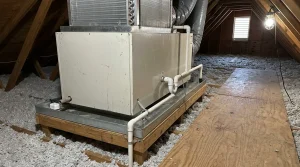
| What drain safety will you install? | A float switch and, for attic units, a secondary drain pan |
| Who pulls the permit? | The installer, filed with your city |
| How long will installation take? | One working day for most replacements, with any extra days explained up front |
Ask What the Estimate Leaves Out
A useful follow-up to any estimate is simply asking what it does not include. Duct repairs, electrical upgrades, a new line set or a secondary drain pan are common additions, and a careful installer will tell you now rather than on installation day.
Questions About Testing, Warranty and Follow-Up
The last set of questions is about what happens at the end of the job and in the months afterward. This is where a thorough installer's process becomes obvious, because they will describe specific checks and paperwork rather than general promises.
| Question to ask | Strong answer | Weak answer |
|---|---|---|
| How will you test the system after installation? | Airflow, temperature split, refrigerant charge and safety controls measured at startup | "We'll turn it on and make sure it's cold" |
| Who registers the warranty, and when? | The installer registers it within the required window | "The manufacturer handles it" or no answer |
| What does the warranty cover and for how long? | Parts and compressor coverage stated in years | "Standard warranty" with no detail |
| Will you walk me through the thermostat and filter? | A walkthrough before the crew leaves | No mention of a walkthrough |
| Who do I call if something seems off? | A direct contact at the company | A general number with no follow-up plan |
Warranty registration deserves special attention, because extended manufacturer coverage often depends on registering the equipment within a set number of days. If nobody registers it, you can end up with much shorter coverage than the estimate implied.
Warning Signs Worth Checking
A few answers should make you pause, whichever installer gives them. Watch for any installer who skips the in-home visit and quotes by phone, pressures you to sign that day, asks for a large payment before work begins, cannot provide a license number, or suggests skipping the permit to save time.
How VeriChill Answers These Questions
At VeriChill, residential installation and replacement is all we do, so these questions are the ones our process is built around. Here is how we answer them for every project, from a cooling-only replacement to a full system.
Licensing. VeriChill is a licensed Texas HVAC company, and we are happy to share our license details so you can verify them yourself.
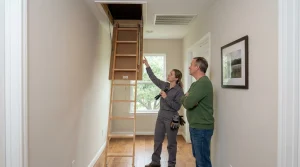
Sizing and design. Every project starts with a comprehensive in-home evaluation, where we assess your ductwork, analyze airflow and account for the characteristics of your home before recommending a system.
Clear estimates. You receive a written estimate with an itemized breakdown and no hidden fees, explained in plain language so you know exactly what you are buying.
Installation and testing. As an ac installation contractor focused only on homes, our crew protects your home, keeps a clean job site, and verifies your system is operating at peak efficiency before we consider the job complete.
Warranty. Every system we install includes a 10-year parts and compressor warranty, and we handle the registration within 90 days of installation so your coverage is never at risk.
Houston homeowners comparing residential hvac contractors can use the questions in this guide with any company, including ours. The goal is simply to leave each conversation with clear, specific answers you can hold the installer to.
Key Takeaways
- Start by asking for the installer's TDLR contractor license number and checking it on the TDLR license search. A company that cannot provide one should not be installing your system.
- Ask how the system will be sized, and expect an answer that describes an on-site assessment of ductwork, airflow, insulation, windows and ceiling heights. Matching the size of the old unit is a warning sign, because oversizing is Houston's most common HVAC problem.
- Ask what the estimate includes, especially the matched coil, line set, drain safety and permit. Asking what the estimate leaves out is often the most revealing question.
- Confirm the refrigerant and how the system will be charged. New 2026 equipment uses R-454B or R-32, and a careful installer measures the vacuum and the charge rather than estimating them.
- Ask who registers the warranty and how long parts and compressor coverage lasts. Missed registration is one of the easiest ways to lose extended coverage.
- Treat phone-only quotes, same-day pressure, large upfront payments and suggestions to skip the permit as reasons to keep looking.
Frequently Asked Questions
How do I check if an HVAC contractor is licensed in Texas?
Ask for their TDLR license number and search it on the Texas Department of Licensing and Regulation website. The listing shows whether the license is active.
Should I get more than one HVAC installation quote?
Getting two or three quotes is reasonable for a major purchase. Compare them item by item, including the coil, line set, drain safety, permit, testing and warranty registration.
What should an HVAC installer check before quoting?
They should visit your home and assess your ductwork, airflow, insulation, windows and ceiling heights. A quote given without seeing the home is a guess.
Is it a red flag if an installer quotes over the phone?
A phone-only quote is a red flag for a full replacement. Without seeing your home, ducts and attic, an installer cannot size the system properly or spot problems that change the scope.
What SEER2 rating should I ask about in Houston?
The Southeast minimum is 14.3 SEER2, and 16 SEER2 or higher suits Houston's long cooling season. Ask how the proposed rating fits your home and goals.
Should I ask about two-stage or variable speed systems?
Two-stage systems are worth asking about because they suit many Houston homes. They run longer at lower output, which removes more humidity than single-stage equipment.
Why should I ask about the refrigerant?
New equipment uses R-454B or R-32, which can change whether your line set is reused. The answer also shows whether the installer is current with 2026 equipment.
How much should I pay upfront for HVAC installation?
Be cautious of any installer who demands a large payment before work begins. Ask how the payment schedule is structured and get it in writing on the estimate.
What should happen at the end of an HVAC installation?
The installer should test airflow, charge and safety controls, walk you through the thermostat and filter, and confirm how the warranty will be registered.
Can I ask an installer for references?
Yes, and a confident installer will welcome it. Reviews from Houston homeowners with similar projects give you a realistic picture of the process and cleanup.
Conclusion
The right questions turn a confusing set of quotes into a clear comparison. Asking about licensing, sizing, what the estimate includes, the refrigerant and line set, the permit, startup testing and warranty registration shows you how each installer actually works, and in Houston's demanding climate those details decide how well and how long your new system performs.
Keep this list handy for every conversation and write down the answers you receive. When you are ready to hear ours, talk to our team and put these questions to us directly before you decide.
Call VeriChill at 281-559-6995 with your installer questions. Get clear answers before choosing your Houston installer