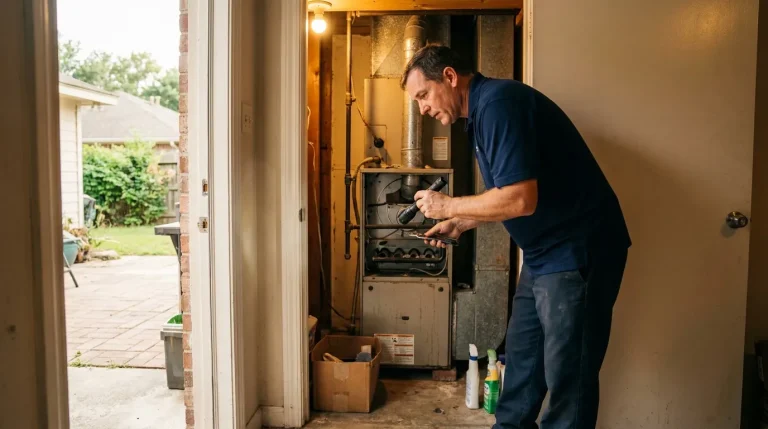
Houston homeowners overlook heating system problems because our mild winters hide them. When you only run the heat for a few weeks a year, small warning signs like odd noises, uneven heating, a reluctant pilot, or thermostat discrepancies go unnoticed for months, and the system sits idle long enough for problems to develop quietly. The result is that heating system problems overlooked all fall reveal themselves at the worst possible moment: the first hard cold snap, when the system is asked to work and cannot. Some of those overlooked signs, especially anything involving gas or carbon monoxide, are also safety issues, which is why a little attention before winter matters more than the short season suggests.
In a northern climate, a heating problem announces itself fast. The system runs constantly all winter, so any decline in performance is obvious within days. Houston works differently, and that difference is exactly why our heating systems get neglected.
Here, the heat might run for a few weeks scattered across the coldest stretch of the year. For eight or nine months, the system sits idle while the AC does all the work. That long dormancy, combined with a short and forgiving heating season, creates a dangerous kind of complacency. A furnace can develop a problem in March, sit untouched through the entire cooling season, and not get called on again until a December cold snap, by which point the small issue has become a real one.
This is not about scaring anyone. It is about understanding a pattern our team sees every winter and getting ahead of it. Let us walk through why Houston's climate breeds heating neglect, which warning signs get dismissed, which ones are genuine safety concerns, and how a small amount of pre-winter attention prevents the cold-snap scramble.
Why Houston's Mild Winters Create Heating Complacency
The root cause is not carelessness. It is a climate that gives homeowners very little feedback about their heating system until they suddenly need it.
Short season, low attention
Our heating season is brief. When a system runs only a few weeks a year, homeowners naturally think about it far less than their AC, which they depend on for the majority of the year. Heating slides to the bottom of the priority list simply because it demands so little attention most of the time.
Long dormancy lets problems develop quietly
A system that sits idle for eight or nine months can accumulate dust, develop minor component wear, or lose a pilot or ignition reliability that was marginal at the end of last season. Because nobody is running it, nobody notices. The problem waits patiently until the system is switched on again.
Seasonal usage gaps break the feedback loop
In a cold climate, you would catch a declining furnace because you use it daily. In Houston, the gap between uses is so long that the memory of last winter's minor hiccup fades. The homeowner forgets the odd noise from March by the time November arrives, so the warning never gets acted on. This is where a relationship with an attentive provider of home HCAC system helps, because a pre-winter check restores the feedback loop the climate removes.
The Warning Signs That Get Dismissed
Heating problems rarely appear out of nowhere. They usually announce themselves with signs that, in Houston, are easy to shrug off. Knowing what to watch for turns a surprise failure into a manageable heads-up.
| Warning sign | What it may indicate | Why it gets overlooked |
|---|---|---|
| Strange noises at startup | Worn or stressed components | Heat runs so rarely the sound is forgotten |
| Uneven or weak heating | Airflow or system decline | Mild days mask the shortfall |
| Reluctant or short-lived pilot | Ignition or gas supply issue | Dismissed as a one-time quirk |
| Thermostat and room mismatch | Sensor, control, or airflow problem | Small gaps feel tolerable in mild weather |
| Unusual smells at first use | Dust burn-off or something more | Assumed normal without checking |
Strange noises
Banging, rattling, or screeching at startup often signals worn or stressed components. Because Houston systems start up so infrequently, the sound is easy to write off as a one-time event and forget until it happens again months later.
Uneven or weak heating
Rooms that never quite warm up, or a system that seems to struggle, point to airflow problems or general decline. On a mild Houston day the shortfall barely registers, so it goes unaddressed until a genuinely cold day exposes it.
Reluctant pilot or ignition
A pilot light that struggles to stay lit or an ignition that hesitates is a classic dismissed warning. It works eventually, so the homeowner moves on, not realizing the system is telling them it may not start at all when it matters.
Thermostat discrepancies
When the thermostat reads one temperature and the rooms feel like another, something in the sensing, control, or airflow chain is off. Small discrepancies feel tolerable in mild weather and get ignored until they become large ones.
The Signs That Are Actually Safety Issues
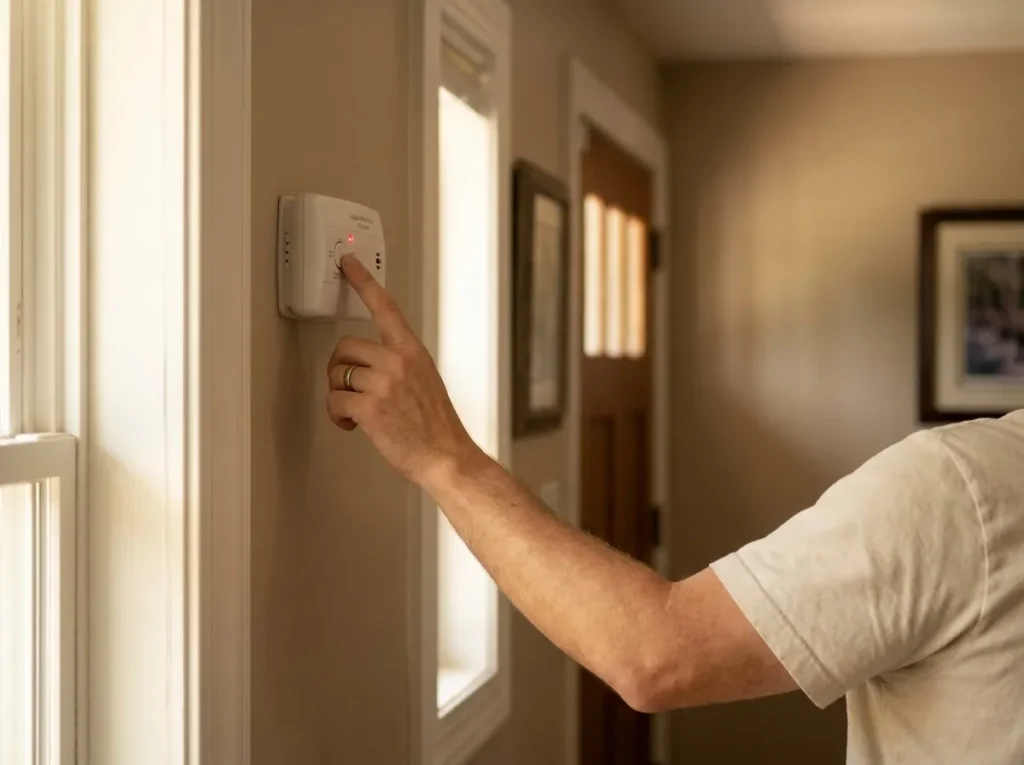
Some overlooked heating signs are not just performance problems. They are safety concerns, and gas-fired equipment in particular deserves respect. This is the part of heating neglect that our team takes most seriously.
Carbon monoxide risk
Gas furnaces produce combustion byproducts that must vent safely out of the home. A cracked heat exchanger, blocked flue, or venting problem can allow carbon monoxide, an odorless, colorless gas, into the living space. The Consumer Product Safety Commission's Carbon Monoxide Information Center emphasizes working carbon monoxide detectors and proper heating system inspection precisely because this risk is invisible. Every home with gas heating should have functioning carbon monoxide detectors, and any suspicion of a combustion or venting problem warrants immediate professional attention.
The smell of gas
A gas odor is never something to dismiss. If you smell gas, treat it as urgent, leave the area, and contact your gas utility and a professional. This is the one warning sign that should never wait.
Why dormancy raises the stakes
A system that has sat idle for most of the year is more likely to have developed a venting blockage, a pest intrusion, or a component problem that affects safe combustion. That is exactly why a pre-season check on gas equipment matters more in a long-dormancy climate like ours, not less. The short season does not reduce the safety importance; it increases the chance that a problem went unnoticed.
How a Little Pre-Winter Attention Prevents the Cold-Snap Scramble
The fix for heating neglect is small and seasonal. A modest amount of attention before the cold arrives heads off the failures that otherwise land during the first freeze.
Test the system before you need it
Running the heat for a short cycle in the fall, before the first cold snap, surfaces problems while there is still time to address them calmly. A system that struggles to start, makes new noises, or heats unevenly during that test is telling you something useful. Catching it in November is far better than discovering it during a December freeze when demand across the city spikes.
Get a pre-season assessment
A professional pre-winter assessment checks the components, the ignition or pilot, the airflow, and, critically, the safe operation of gas equipment. Our team evaluates the actual condition of the system rather than guessing, and addresses small issues before they become failures or safety concerns. For homeowners whose systems are aging, that assessment also informs whether a repair or a full new heating system installation is the smarter path forward.
Do not let the short season fool you
The brevity of Houston's heating season is exactly what makes proactive attention worthwhile, because the system gets so little routine feedback. The same discipline homeowners apply to their AC before summer deserves a scaled-down version before winter. Households planning cooling work in the same year often find it efficient to align both, pairing a pre-winter heating check with any home AC installation planning so the whole system is addressed on one visit.
Key Takeaways
- Houston's mild, short heating season creates complacency because the system runs so little that problems go unnoticed
- Long dormancy of eight or nine months lets minor issues develop quietly while nobody is running the system
- Commonly dismissed warning signs include startup noises, uneven heating, a reluctant pilot, thermostat discrepancies, and unusual smells
- Some overlooked signs are safety issues, especially anything involving gas or potential carbon monoxide from a cracked heat exchanger or blocked flue
- Every home with gas heating should have working carbon monoxide detectors, and a gas smell should be treated as urgent
- A short fall test run and a pre-season professional assessment prevent the cold-snap scramble and catch safety concerns early
Frequently Asked Questions
Why do Houston homeowners neglect their heating systems?
Because our climate gives so little feedback about the system. Houston's heating season is brief, often just a few weeks, so homeowners naturally think about heating far less than the AC they rely on most of the year. The system then sits idle for eight or nine months, long enough for minor problems to develop unnoticed and for last winter's small warning signs to be forgotten. It is not carelessness so much as a climate that lets heating slide to the bottom of the priority list until a cold snap forces the issue.
What are the warning signs of a heating problem I should not ignore?
Watch for strange noises at startup, rooms that never quite warm up, a pilot light or ignition that struggles, discrepancies between the thermostat and how the rooms actually feel, and unusual smells when the system first runs. In Houston these are easy to dismiss because the heat runs so rarely, but each one points to a component, airflow, or ignition issue that tends to worsen. Anything involving a gas odor or possible carbon monoxide is a safety concern that warrants immediate professional attention.
Is an overlooked heating problem ever a safety issue?
Yes. Gas furnaces produce combustion byproducts that must vent safely out of the home. A cracked heat exchanger, blocked flue, or venting problem can allow carbon monoxide, which is odorless and colorless, into the living space. A gas smell is also never something to dismiss. Every home with gas heating should have working carbon monoxide detectors, and any suspicion of a combustion or venting problem, or the smell of gas, warrants immediate action. A system that sat idle for most of the year is more likely to have developed such a problem unnoticed.
When should I check my heating system in Houston?
In the fall, before the first cold snap. Running the heat for a short cycle surfaces problems while there is still time to address them calmly, and a professional pre-season assessment checks the components, ignition, airflow, and safe operation of gas equipment. Catching an issue in November is far easier than discovering it during a December freeze, when demand across the city spikes and a failure leaves you without heat at the worst possible time. The short season is a reason to be proactive, not a reason to skip the check.
My heat worked fine last winter. Do I still need to check it?
Yes, because eight or nine months of dormancy is enough for problems to develop. A system that ran fine in March can accumulate dust, develop a venting blockage, experience pest intrusion, or lose marginal ignition reliability while it sits idle through the cooling season. A brief fall test run and a pre-season assessment confirm the system is ready and safe before you depend on it. The fact that it worked last winter tells you little about how it will start after a long summer of sitting untouched.
Conclusion
Houston's mild winters are a gift, but they come with a quiet catch: they make it easy to forget the heating system entirely until the one week it truly matters. The long dormancy and short season that define our climate are exactly the conditions under which small problems hide and safety concerns go undetected.
At VeriChill, our team encourages homeowners to give their heating a little attention before the cold arrives, not because Houston winters are severe, but because the pattern of neglect is so predictable. A short fall test run, working carbon monoxide detectors, and a pre-season assessment turn a potential cold-snap failure into a non-event, and they catch the safety issues that a long-idle gas system can develop.
Want to make sure your heating system is ready and safe before the first Houston cold snap? Call us at 281-559-6995 or visit verichill.com to schedule a consultation.