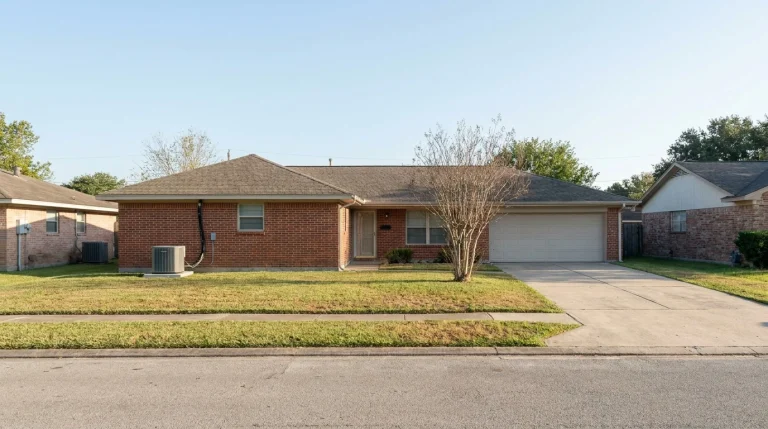
The urban heat island effect in Houston means many neighborhoods stay hotter than the surrounding countryside, especially after sunset, so your air conditioner gets less relief and runs longer each day. Pavement, rooftops and dense development store the day's heat and release it slowly overnight, while our humidity adds a moisture load on top. For most Houston homes, the right response is not a bigger unit but a correctly sized system, sealed and insulated ducts, shade and a cooler roof where possible, and equipment that handles long, steady cooling demand well.
Picture two houses with the same floor plan and the same air conditioner. One sits on a quiet street in Cypress with mature trees and wide lawns. The other sits a few blocks from a busy commercial corridor closer to the city, with a dark roof, a concrete driveway and a strip of asphalt along one side. On the same August evening, the second house keeps its system running long after the first one has cycled off.
That difference is the urban heat island at work, and it is one of the least discussed reasons two Houston homes can have such different cooling experiences. Understanding it helps you make better decisions about equipment, ductwork and the house itself, and it explains why simple rules of thumb about system size so often go wrong here.
What the Urban Heat Island Effect Means in Houston
An urban heat island is a built-up area that runs warmer than the less developed land around it. The concept is simple, but the details explain why it matters so much for cooling.
Hard surfaces store the day's heat
Roads, parking lots, rooftops and building walls absorb far more solar energy than grass, trees or open soil. Dark materials have low albedo, meaning they reflect little sunlight and soak up most of it. That stored heat does not disappear at sunset. It radiates back into the air for hours, which is why a parking lot can still feel warm late at night.
Why nights stay warmer than the countryside
The most important part of the effect for your HVAC system is the evening. According to the EPA's overview of heat islands, urban areas in the United States run about 1 to 7°F warmer than outlying areas during the day and about 2 to 5°F warmer at night. The EPA also notes that humid regions and larger, denser cities tend to see the greatest temperature differences, a description that fits the city of Houston well.
Warmer nights matter because an air conditioner normally catches up after sunset. When outdoor temperatures stay high into the evening, the system loses that recovery window and keeps working against the heat stored in your neighborhood and in the house itself.
Not every neighborhood heats the same
The effect is uneven across Greater Houston. Areas with dense development, wide roads, large parking lots and few trees tend to run hotter than leafy neighborhoods or homes near open green space. Two homes a few miles apart can face noticeably different conditions on the same summer afternoon. Your street, your lot and the surfaces around your home all shape how much extra heat your system has to fight.
How Extra Heat Reaches Your HVAC System
Extreme heat and a warmer neighborhood change how your equipment behaves in several connected ways.
Longer run times and fewer off cycles
The EPA reports that electricity demand for air conditioning rises by roughly 1 to 9% for each 2°F increase in temperature. In a heat island, those extra degrees arrive every day of the cooling season, and they linger into the night. Your system spends more hours running, takes fewer breaks and accumulates more wear on the compressor and fan motors over the course of a long Houston summer.
The outdoor unit breathes hotter air
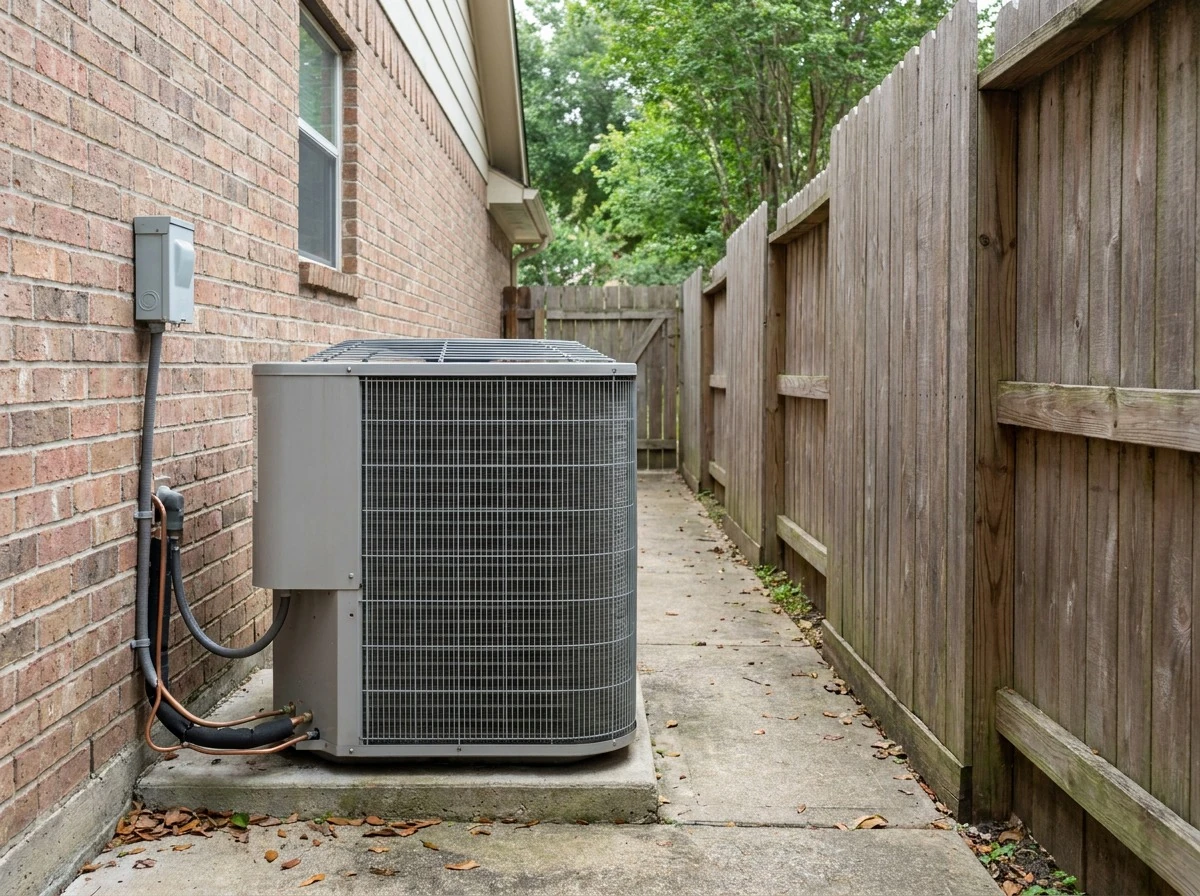
Your condenser works by moving heat from inside the house to the outside air. The hotter that outside air is, the harder the job becomes. A condenser tucked into a narrow side yard next to a concrete driveway, or boxed in by a fence and a hot brick wall, pulls in air that is warmer than the official forecast. The unit runs at higher pressure, cools less efficiently and works harder for the same result.
The attic becomes a second heat island
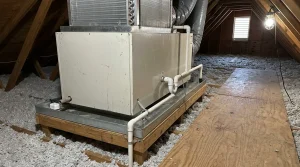
The EPA notes that conventional roofing materials can reach as much as 66°F warmer than the surrounding air on a warm day. In most Houston homes, the ductwork and often the air handler sit in that attic. Every gap in a duct connection and every thin section of duct insulation lets that attic heat into the air you just paid to cool. A hot neighborhood plus a hot attic is a combination that shows up quickly on summer bills.
Humidity rides along with the heat
Houston air carries a heavy moisture load for most of the year. Your system has to remove that moisture as well as lower the temperature, and the evaporator coil does most of that work during long, steady cycles. When a system is fighting extra heat, comfort depends on whether it still runs long enough to dehumidify properly, which brings sizing back into the picture.
| Heat island factor | What it does to your system | What helps |
|---|---|---|
| Warm nights | Removes the evening recovery period | Correct sizing and equipment built for long run times |
| Hot air around the condenser | Higher operating pressure, lower efficiency | Open space and shade around the outdoor unit |
| Dark roof and hot attic | Heat gain into ducts and the air handler | Sealed, insulated ducts and better attic insulation |
| Dense pavement nearby | More stored heat released after sunset | Trees, landscaping and lighter surfaces where possible |
| High humidity | Extra moisture load on the evaporator coil | Steady cycles that dehumidify, never short cycling |
Sizing a System for a Warmer Neighborhood
It is tempting to assume a hotter neighborhood simply needs a bigger air conditioner. In Houston, that instinct usually causes more problems than it solves.
Why a bigger unit backfires
An oversized system cools the air quickly, reaches the thermostat setting and shuts off before it has removed much moisture. The house feels cool but clammy, the system starts and stops more often, and the parts that wear most on startup age faster. Oversizing is the most common HVAC problem in Houston homes, and our article on why oversized AC systems fail faster explains the pattern in detail.
What a real load review looks at
The right size comes from the house, not from square footage alone. A proper in-home evaluation looks at insulation levels, the condition and layout of the ductwork, ceiling heights, window orientation and airflow distribution from room to room. Heat island exposure fits into that same picture: a west-facing home on a hot, treeless lot carries a different load than the same floor plan under a canopy of live oaks. That is why careful ac installation starts with the home and its surroundings before any equipment is chosen.
Two-stage and variable-speed equipment
Long evening cooling demand favors equipment that can run steadily at lower output. Two-stage systems run on a low setting most of the time and step up only on the hottest afternoons, which makes them the sweet spot for most Houston homes. Variable-speed systems adjust in smaller steps and offer the finest humidity control. Both handle the long, warm nights of a heat island better than a single-stage unit that can only run at full blast or shut off.
Heat pumps in a warmer city
A heat pump cools exactly like an air conditioner in summer and heats efficiently through our mild winters, which makes it a strong fit for most Houston homes. If you are replacing both your cooling and heating equipment, the same sizing discipline applies to heating and cooling system installation, so the system performs well in both seasons rather than being oversized for one of them.
Lowering the Heat Load Around Your Home
You cannot change your neighborhood, but you can change how much of its heat reaches your living space. These steps reduce the load before your HVAC system ever sees it.
Shade and landscaping
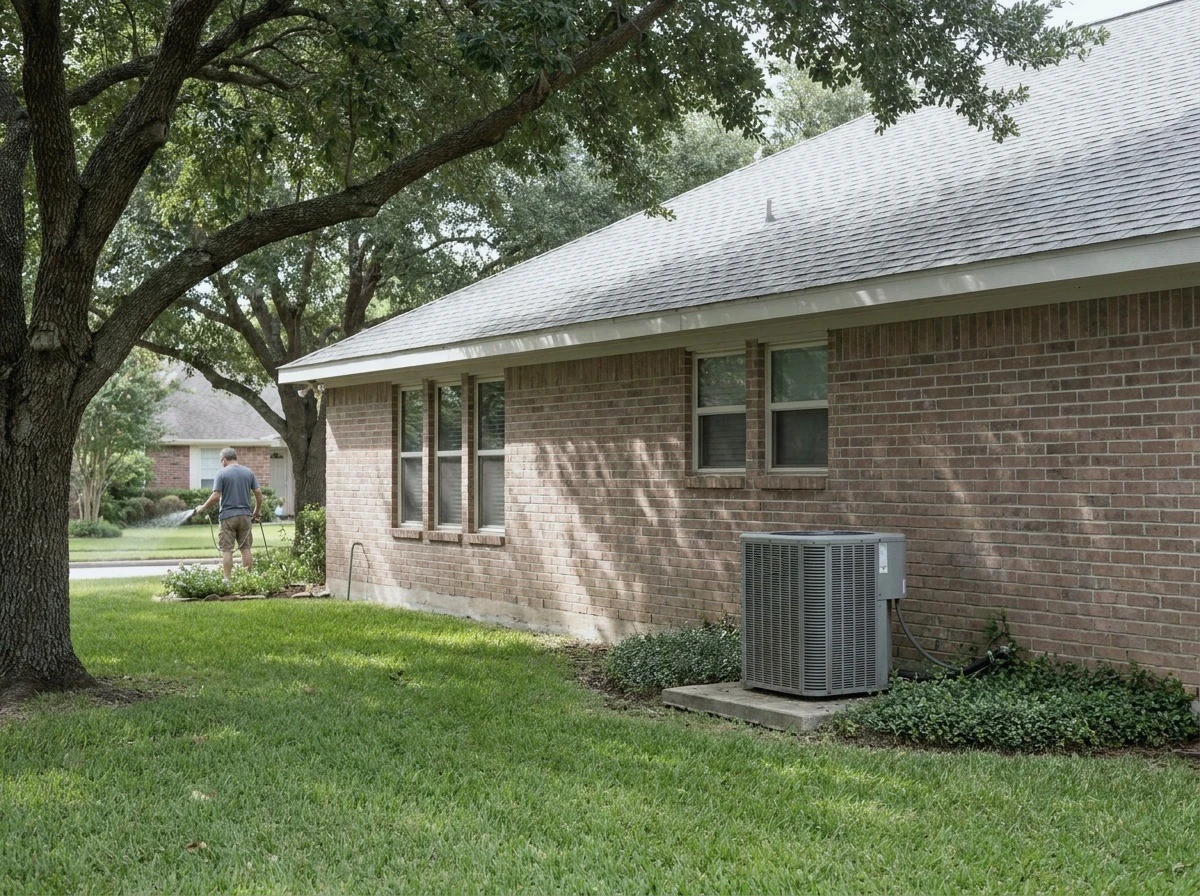
Trees are one of the most effective natural ways to mitigate urban heat around a house. A shade tree on the west or south side blocks the strongest afternoon sun from walls and windows, and shrubs or ground cover keep nearby surfaces cooler than bare concrete. Plant with the outdoor unit in mind: shade over the condenser helps, but plants pressed against it block airflow.
Roof and attic choices
When your roof is due for replacement, a lighter, more reflective roofing material absorbs less heat. Inside the attic, a radiant barrier and adequate insulation slow the heat that reaches your ducts and ceilings. Our guide to attic insulation and HVAC performance covers what to check and why it matters so much in Houston.
Give the condenser room to breathe
Keep at least a couple of feet of open space around the outdoor unit, trim back vegetation and avoid storing items against it. Rinse debris from the coil fins gently at the start of the season. If your condenser sits in a hot pocket between walls and pavement, ask about placement options the next time the equipment is replaced.
Thermostat habits for hot evenings
In a warm neighborhood, deep temperature setbacks during the day can backfire, because the system has to fight both the stored heat in the house and a warm evening at the same time. Moderate, steady settings and a programmable or smart thermostat schedule usually deliver better comfort with less strain.
How Our Team Factors Heat Island Exposure Into a New System
When a homeowner calls about a replacement, the conversation at VeriChill starts with the house rather than the equipment catalog. Every new system begins with an in-home evaluation of insulation, ductwork, ceiling heights, window orientation and airflow distribution, and the surroundings of the home are part of that picture. A lot with little shade, a dark roof or a condenser boxed in by pavement all point toward specific recommendations.
Most of the time those recommendations are about getting the fundamentals right: a system sized to the real load, ducts that are sealed and insulated, and equipment such as a two-stage system that runs long, steady cycles. Moisture control is part of the same conversation, and our guide to indoor air quality in Houston homes explains why humidity matters as much as temperature. Thoughtful hvac installation in a warm neighborhood is less about a bigger unit and more about a better fit.
Key Takeaways
- The urban heat island effect keeps many Houston neighborhoods warmer than outlying areas, especially at night, so cooling systems get less evening relief
- According to the EPA, urban nights in the United States run about 2 to 5°F warmer than outlying areas, and humid, dense cities see the largest differences
- Hot air around the condenser, a hot attic and leaky ducts all add to the load your system has to carry
- A bigger air conditioner is usually the wrong answer, because oversized units short cycle and leave the house clammy
- Correct sizing, sealed and insulated ducts, and two-stage or variable-speed equipment handle long, warm evenings best
- Shade trees, a lighter roof, attic insulation and open space around the condenser reduce the heat load before it reaches your system
Frequently Asked Questions
What is the urban heat island effect in Houston?
It is the tendency of built-up parts of the Houston area to stay warmer than the less developed land around them. Pavement, rooftops and buildings absorb heat during the day and release it slowly after sunset, so neighborhoods with dense development and few trees stay hotter into the night. The effect varies from one area to the next, which is why two similar homes in different parts of Greater Houston can see widely different cooling demand and summer bills.
How much warmer are urban heat islands than surrounding areas?
According to the EPA, urban areas in the United States run about 1 to 7°F warmer than outlying areas during the day and about 2 to 5°F warmer at night. Humid regions and larger, denser cities tend to see the greatest differences. Surfaces can run much hotter than the air: conventional roofing can reach as much as 66°F above air temperature on a warm day, which is why attics and ductwork deserve so much attention in Houston homes.
Should I buy a bigger air conditioner if I live in a hotter part of Houston?
Usually not. A bigger unit cools the air quickly, shuts off before removing enough moisture and leaves the house feeling clammy, while the frequent starts add wear. The better approach is an evaluation of the real load: insulation, ductwork, ceiling heights, window orientation and airflow distribution, plus the heat exposure around the house. Many homes in warmer neighborhoods do best with a correctly sized two-stage system that runs long, steady cycles on its lower setting.
Does the urban heat island effect matter in winter?
It matters far less. Warmer nights can ease heating demand slightly on cold evenings, but Houston's heating season is short and mild, so the heat island effect is mainly a cooling issue here. Its real cost shows up across the long cooling season, when warm nights keep air conditioners running. The best plan is a system sized for the actual load in both seasons, such as a correctly sized heat pump, rather than equipment chosen around a few cold days.
What can I do around my house to reduce the heat my AC has to fight?
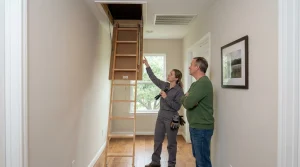
Start with the things that keep heat off the house and away from the equipment. Plant shade trees on the west and south sides, choose a lighter roof when it is time to replace it, and add attic insulation or a radiant barrier. Keep open space around the outdoor unit so it can reject heat. Inside, seal gaps around attic hatches and recessed lights, make sure ducts in the attic are sealed and insulated, and avoid deep thermostat setbacks on hot days.
Conclusion
The urban heat island effect is not something most homeowners think about, but it quietly shapes how hard an air conditioner works across much of the Houston area. Warm nights remove the evening recovery period, hot attics and pavement add load, and humidity rides along with every degree.
The good news is that the fixes are practical. Shade, a cooler roof, attic insulation and a clear space around the condenser all reduce the heat your system has to handle. When it is time for new equipment, correct sizing and a system built for long, steady cycles matter far more than raw capacity.
Wondering how your neighborhood's heat affects your home's cooling needs? Call VeriChill at 281-559-6995 or contact our team to set up an in-home evaluation.