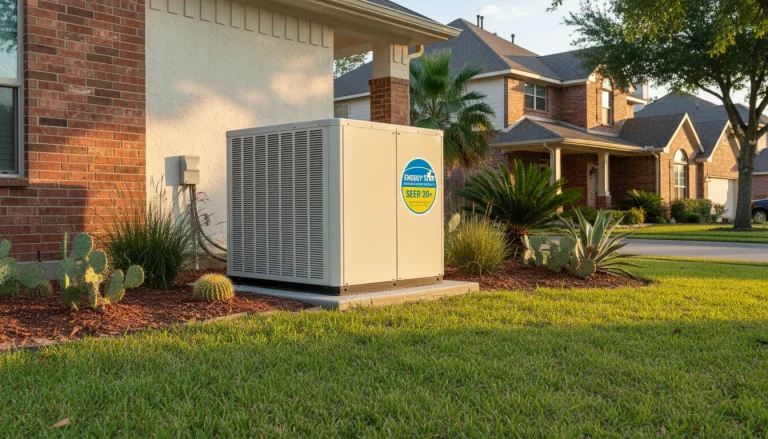
The shift to SEER2 ratings, stricter regional minimums, and new low-GWP refrigerant requirements all affect what Houston homeowners can buy and install starting in 2026. The good news? These changes mean more efficient equipment, lower operating costs, and systems better matched to real-world performance in Houston's demanding climate.
If you're planning an HVAC installation in 2026 or beyond, the equipment landscape looks different from what it did even two years ago. The U.S. Department of Energy has rolled out updated testing methods, tighter efficiency floors, and refrigerant transitions that collectively reshape what's available and how it performs. For Houston homeowners running AC eight to nine months a year, these changes aren't abstract policy. They directly affect your energy bills, equipment choices, and long-term comfort.
This guide breaks down what's actually changed, what it means for the Greater Houston market, and how to make smart decisions when it's time for a new system.
What Changed with SEER2 and Why Does It Matter?
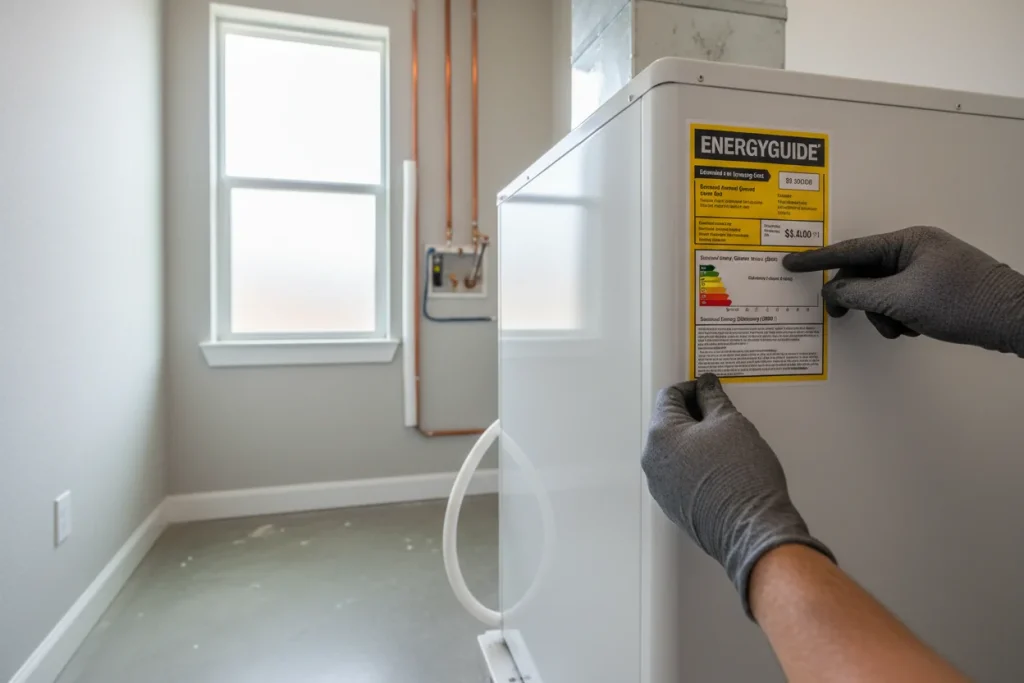
SEER2 replaced the original SEER rating system using updated testing that better reflects how HVAC equipment performs in real homes with real ductwork. The numbers look lower, but the equipment is actually more efficient. Think of it as a more honest scorecard.
The old SEER testing measured cooling efficiency at an external static pressure of just 0.1 inches of water column. That's essentially testing a system in ideal conditions with almost no resistance. Your actual home, with its ductwork, filters, bends, and registers, creates far more resistance than that.
SEER2 bumps the testing pressure to 0.5 inches of water, which is five times higher and much closer to what installed equipment actually faces. The result? SEER2 numbers run roughly 4.5% lower than equivalent old SEER ratings. A system that used to test at 16 SEER might now rate at 15.2 SEER2. It's the same equipment performing the same way. The measurement just got more accurate.
For Houston homeowners, this matters because our climate makes efficiency count more than almost anywhere else in the country. With cooling seasons stretching from March through November, even small efficiency differences compound across thousands of operating hours per year.
| Old Rating (SEER) | Approximate SEER2 Equivalent | What It Means |
| 14 SEER | ~13.4 SEER2 | Previous Southeast minimum; now baseline |
| 15 SEER | ~14.3 SEER2 | Current minimum for heat pumps (Southeast) |
| 16 SEER | ~15.2 SEER2 | Mid-efficiency; solid choice for most Houston homes |
| 18 SEER | ~17.2 SEER2 | High efficiency; strong long-term savings in Houston |
| 20+ SEER | ~19+ SEER2 | Premium tier; variable-speed, maximum efficiency |
The Air-Conditioning, Heating, and Refrigeration Institute (AHRI) manages the certification standards that ensure all manufacturers test under the same conditions, so you can compare brands apples-to-apples.
What Are the 2026 Minimum Efficiency Requirements for Houston?
Texas falls in the DOE's Southeast region, which requires a minimum of 14.3 SEER2 for split-system air conditioners under 45,000 BTU and 13.8 SEER2 for larger units. Heat pumps must meet 14.3 SEER2 and 7.5 HSPF2 minimums. For furnaces, the minimum AFUE remains 80% in the South.
Here's where it gets practical. The DOE divides the country into three climate regions with different efficiency floors. Houston sits in the Southeast region, which carries higher AC minimums than the North because cooling demand is so much greater here.
What does this mean for your next HVAC system installation? Every piece of equipment your contractor installs must meet or exceed these minimums. It's not optional. Equipment that doesn't comply can't legally be installed in the Southeast region, regardless of its manufacture date.
For Houston specifically, meeting the minimum is really just the starting point. Given that your AC runs for most of the year, investing above the minimum floor almost always pays off in lower energy bills. Industry professionals generally recommend that Houston homeowners target at least 16 SEER2 for meaningful savings, with 18+ SEER2 delivering the strongest long-term return.
Heating Efficiency Standards
Furnace efficiency is measured by AFUE (Annual Fuel Utilization Efficiency). The current minimum for the South is 80% AFUE, meaning at least 80 cents of every dollar spent on fuel is converted into usable heat. High-efficiency models reach 96% to 98.5% AFUE. For a heating installation in Houston, even a mid-efficiency furnace handles our mild winters well, but higher AFUE ratings reduce waste during those weeks when heating runs daily.
| Equipment Type | Southeast Minimum (2026) | Recommended for Houston | Premium Tier |
| Split AC (< 45k BTU) | 14.3 SEER2 | 16+ SEER2 | 19+ SEER2 |
| Split AC (≥ 45k BTU) | 13.8 SEER2 | 15+ SEER2 | 18+ SEER2 |
| Heat Pump | 14.3 SEER2 / 7.5 HSPF2 | 16+ SEER2 | 19+ SEER2 |
| Gas Furnace | 80% AFUE | 90%+ AFUE | 96%+ AFUE |
How Do Refrigerant Changes Affect Houston Homeowners?
Starting in January 2026, all new residential HVAC installations must use low-GWP (Global Warming Potential) refrigerants such as R-454B or R-32, replacing R-410A, which has dominated the industry for two decades. Your existing R-410A system can still be serviced, but new equipment runs on different chemistry.
This is the biggest material change in the HVAC industry since the R-22 phaseout. R-410A, the refrigerant used in virtually every residential system installed since the mid-2000s, has a Global Warming Potential of 2,088. The replacement refrigerants, R-454B and R-32, cut that number by roughly 70%.
For Houston homeowners, the practical effects are:
- New systems use new refrigerants. If you're installing a new AC or heat pump, it will run on R-454B or R-32. There's no option to install new R-410A equipment.
- Existing systems are fine. Your current R-410A system can still be serviced and recharged. The transition only applies to new installations.
- Slightly different service requirements. The new refrigerants are classified as A2L, meaning mildly flammable. Contractors need specific training and certification to handle them safely. This doesn't affect you as a homeowner, but it means working with a properly trained installer matters more than ever.
- Equipment costs may shift. Manufacturers have redesigned systems for the new refrigerants, which may affect pricing as the market adjusts over the next 2 years.
The DOE's FAQ on residential air conditioner standards provides additional technical background on how these regulations were developed and what they aim to accomplish.
| Refrigerant | GWP Rating | Status in 2026 | Used In |
| R-22 (Freon) | 1,810 | Phased out; no new production | Legacy systems only |
| R-410A (Puron) | 2,088 | No new equipment; existing systems can be serviced | Systems installed before 2026 |
| R-454B | 466 | Approved for new installations | New AC and heat pump systems |
| R-32 | 675 | Approved for new installations | New AC and heat pump systems |
What Should Houston Homeowners Do Right Now?

If your current system is working well, you don't need to rush into a purchase. But if you're planning a replacement in the next year or two, understanding these standards helps you make a smarter investment. Focus on efficiency ratings that match Houston's climate, and choose an installer who understands the current landscape of new equipment.
The biggest mistake Houston homeowners can make with these changes is either panic-buying to "beat" the new standards or ignoring them entirely. Neither serves you well.
If your hvac system is under 10 years old and performing fine, there's no reason to replace it preemptively. The new standards apply to new installations, not existing equipment. Your R-410A system will continue working as designed.
If you're approaching replacement, here's what to prioritize:
- Get a proper evaluation. Your home's insulation, ductwork, ceiling heights, and window orientation all determine what equipment size and efficiency level actually makes sense. A system that's too large wastes energy regardless of its SEER2 rating.
- Think beyond the minimum. For Houston's climate, the DOE minimum is genuinely the floor. Even stepping up one tier, from 14.3 to 16 SEER2, yields noticeable annual savings across a nine-month cooling season.
- Ask about the refrigerant. Make sure your installer explains which refrigerant your new system uses and confirms their team is certified to work with A2L refrigerants.
- Consider a heat pump. Heat pumps handle both AC installation and heating duties, and the newest models with variable-speed compressors deliver exceptional efficiency ratings well above the minimums.
Key Takeaways
- SEER2 replaced SEER with tougher, more realistic testing that better reflects how your system performs in your actual home with real ductwork and filters.
- Houston falls in the Southeast region with minimum requirements of 14.3 SEER2 for split ACs under 45k BTU and 80% AFUE for gas furnaces.
- Meeting the minimum is just the floor for Houston. With cooling seasons lasting eight to nine months, targeting 16+ SEER2 delivers meaningful returns.
- New refrigerants (R-454B and R-32) replace R-410A in all new installations starting in 2026, cutting environmental impact by roughly 70%.
- Your existing R-410A system is not affected. Current equipment can still be serviced and recharged normally.
- Working with a trained, licensed installer matters more than ever because new refrigerants require specific handling certifications and updated equipment.
Frequently Asked Questions
Do the new SEER2 standards mean I have to replace my current HVAC system?
No. The new standards only apply to newly manufactured and newly installed equipment. Your existing system can continue operating and being serviced regardless of its SEER rating.
Why are SEER2 numbers lower than the old SEER ratings?
SEER2 uses tougher testing conditions with five times more air resistance to simulate real ductwork. The lower numbers reflect more realistic performance, not less efficient equipment.
What is the minimum SEER2 rating for a new AC in Houston?
Houston falls in the DOE's Southeast region, which requires a minimum of 14.3 SEER2 for split-system air conditioners under 45,000 BTU. Units 45,000 BTU and above require at least 13.8 SEER2.
Can my R-410A system still be serviced after 2026?
Yes. R-410A refrigerant remains available for servicing existing systems. The restriction applies only to new equipment installations, which must use low-GWP alternatives like R-454B or R-32.
Are new HVAC systems more expensive because of these changes?
The industry transition may cause temporary price adjustments as manufacturers retool for new refrigerants and higher efficiency components. However, competition among manufacturers typically stabilizes pricing within a year of major transitions.
What SEER2 rating should Houston homeowners target?
HVAC professionals generally recommend at least 16 SEER2 for Houston's extended cooling season. Higher ratings, like 18 to 20+ SEER2, offer stronger long-term energy savings but come with higher upfront costs.
What does AFUE mean for my furnace?
AFUE stands for Annual Fuel Utilization Efficiency and measures what percentage of fuel your furnace converts to usable heat. An 80% AFUE furnace turns 80 cents of every fuel dollar into heat. Higher is better.
How do new refrigerants affect my comfort or safety?
The new A2L refrigerants (R-454B and R-32) perform comparably to R-410A for cooling and heating. They're classified as mildly flammable, but residential systems are designed with safety features that make them safe for home use.
Should I wait for prices to drop before installing a new system?
Waiting rarely saves money if your current system is underperforming. Rising energy bills from an inefficient system often exceed any future price reduction. The best time to install is when your home needs it.
Does VeriChill install systems that meet the new 2026 standards?
Yes. VeriChill installs equipment that meets or exceeds all current DOE efficiency requirements for the Southeast region, including the latest SEER2, HSPF2, and refrigerant standards.