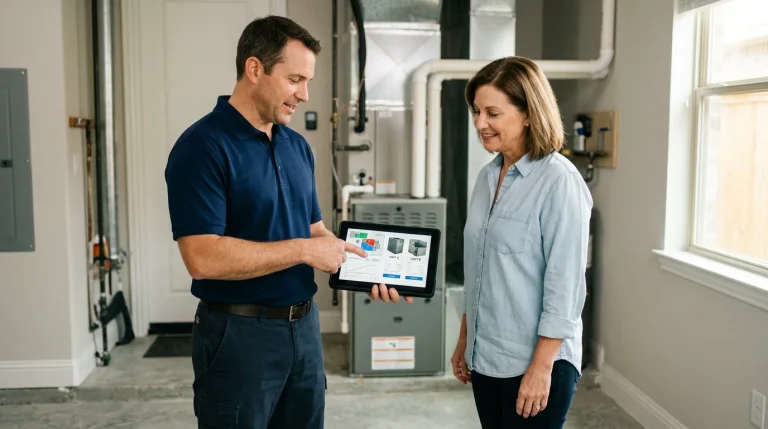
The best time to install a new heating system in Houston is during the off-season months of late spring through early fall, when HVAC contractors are most available, equipment selection is widest, and you have time to make an informed decision without the pressure of an approaching cold front.
Nobody in Houston thinks about heating in May. The AC is running, summer is arriving, and the furnace or heat pump that struggled through last winter is forgotten until the next cold front rolls in. That is exactly why May through September is the smartest window to address your heating system.
After 14 years of installing HVAC systems across the Houston metro area, I can tell you that the homeowners who plan heating work during the off-season consistently get better outcomes than those who wait until a November cold snap forces the issue. Better equipment selection, more flexible scheduling, more thorough installation, and more time to evaluate options. Every advantage points toward planning ahead.
Here is why the off-season matters, what the practical benefits are, and how to approach a heating system decision when you are not under pressure to make one.
Why Timing Matters for Heating Installation
The HVAC industry operates on a seasonal demand cycle. In Houston, the peak demand period runs from June through September for cooling emergencies and from November through February for heating emergencies. During these peaks, every HVAC company in the metro area is running at maximum capacity, handling emergency replacements and urgent repairs.
That seasonal pressure affects every aspect of the installation experience. Scheduling gets tighter. Equipment availability narrows as popular models sell out. Installation crews work longer hours across more jobs. And homeowners making emergency decisions have less time to compare options, evaluate equipment, or negotiate terms.
The off-season, roughly April through early June for heating work and September through October for cooling work, inverts all of these pressures. Contractors have open schedules. Distributors have full inventory. Installation crews can dedicate more time and attention to each project. And you, the homeowner, can make decisions at your own pace.
The Practical Benefits of Off-Season Installation
More time for proper home evaluation
A heating system installation is not just about swapping equipment. It requires evaluating your home's insulation, ductwork condition, air sealing, window performance, and heating load to determine the right system type and capacity. During peak season, the urgency of getting heat restored compresses this evaluation process. During the off-season, your HVAC service Houston contractor has time to perform a thorough assessment and design a system that matches your home's actual needs.
Wider equipment selection
HVAC equipment distributors maintain a deeper inventory during the off-season. When demand spikes during winter cold snaps, popular models and efficiency levels can sell out regionally. Off-season installation means you choose from the full range of available equipment rather than settling for whatever is in stock when your system fails.
More flexible scheduling
Off-season installation lets you choose the date and time that works best for your household. During peak season, you may wait days for an available appointment and have limited control over timing. Installation typically takes one to two days, depending on the scope of work, and scheduling that disruption on your terms rather than accepting the first available slot makes a meaningful difference.
Higher installation quality
This is the benefit that matters most in the long term. When installation crews are not rushing between emergency jobs, they have time to do the work right. Proper brazing, thorough leak testing, careful ductwork connections, precise refrigerant charging, and comprehensive startup testing. These details determine whether your system operates at its rated efficiency throughout its expected lifespan. A rushed installation may cut corners that go unnoticed for months or years.
Opportunity to address the complete system
Off-season timing allows you to evaluate your entire HVAC system, not just the heating component. If your ductwork needs sealing or replacement, if your insulation is inadequate, or if your AC installation Houston equipment is also aging, the off-season gives you time to plan a comprehensive upgrade rather than a piecemeal repair.
Houston's Heating Needs Are Real
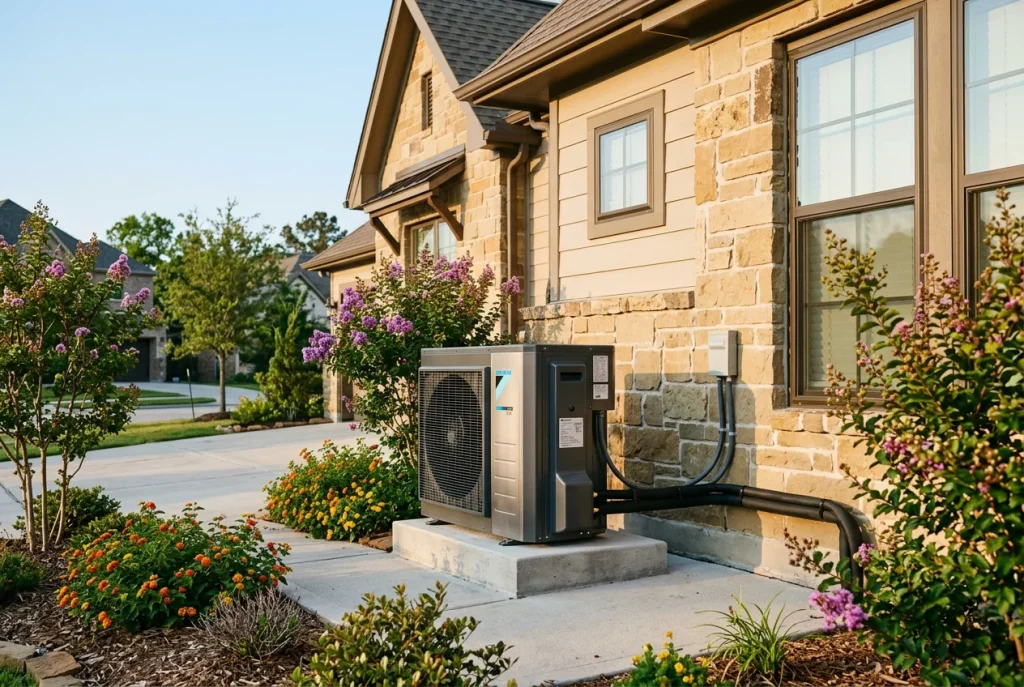
Some Houston homeowners underestimate their heating needs because our winters are milder than those in northern markets. That underestimation leads to deferred maintenance and emergency replacements during the handful of cold events we experience each year.
Houston typically experiences 15 to 25 days per winter with lows below 40 degrees. We average several nights below freezing each season. And every few years, a sustained cold event drops temperatures into the 20s for multiple days. During these events, every HVAC company in Houston is overwhelmed with emergency calls from homeowners whose neglected heating systems have failed.
The 2021 winter storm demonstrated what happens when heating systems fail during extreme cold events. While that was an extraordinary situation, it reinforced a basic truth: heating equipment needs to work when you need it, and the time to ensure that is before you need it.
For Houston homes, heat pump systems offer particular advantages because they provide both heating and cooling from a single system. Modern heat pumps operate efficiently even during Houston's occasional cold snaps and eliminate the need for separate heating and cooling equipment. Evaluating heat pump options during the off-season gives you time to understand how this technology applies to your home and climate.
What to Evaluate Before Your Off-Season Installation
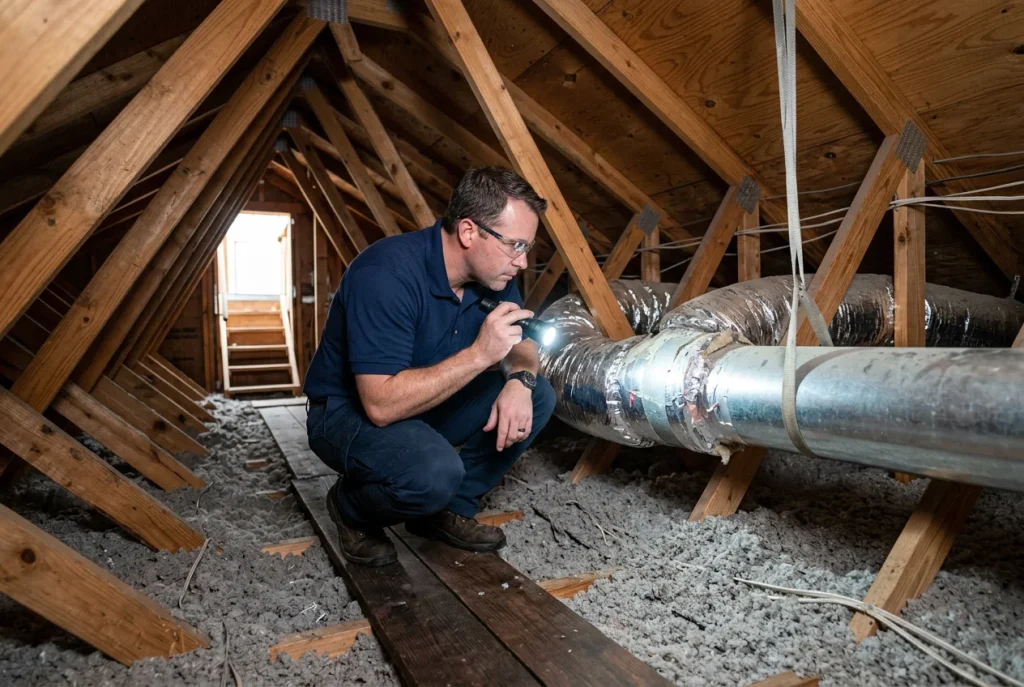
If you are considering a heating system replacement during the off-season, here is what to assess before scheduling the work.
Current system age and condition
Gas furnaces typically last 15 to 20 years, heat pumps 12 to 15 years. If your system is approaching or past these benchmarks and requiring more frequent repairs, replacement makes better financial sense than continued investment in aging equipment. The off-season gives you time to evaluate repair history and make this determination thoughtfully.
Energy efficiency comparison
Current heating equipment offers significantly higher efficiency than systems manufactured 10 to 15 years ago. Gas furnaces now achieve up to 98% AFUE (Annual Fuel Utilization Efficiency), meaning nearly all the energy in the gas converts to heat. Heat pumps achieve HSPF2 (Heating Seasonal Performance Factor) ratings, delivering substantial improvements in heating efficiency. The energy savings from modern equipment offset the installation investment over time.
System type decision
The off-season is the time to decide between a gas furnace, an electric heat pump, or a dual-fuel system that combines both. Each option has advantages depending on your home's existing infrastructure, your energy costs, and your comfort preferences. This decision deserves careful evaluation, not a quick choice made under pressure during a cold snap.
Ductwork assessment
Your ductwork delivers heated air to every room. If ducts are leaking, poorly insulated, or undersized, even the best heating equipment cannot perform effectively. According to the Department of Energy, duct losses can account for more than 30% of energy consumption for heating in homes with ducts in unconditioned spaces. The off-season is the ideal time to address ductwork issues alongside equipment replacement.
Thermostat and controls
Modern heating systems benefit from communicating thermostats that optimize staging, defrost cycles (for heat pumps), and scheduling. If your thermostat is more than 10 years old, upgrading it alongside your heating system ensures the controls match the equipment's capabilities.
How Off-Season Installation Works at VeriChill
Our off-season heating installation process takes advantage of the time and flexibility that seasonal timing provides.
We start with a comprehensive home evaluation that examines insulation levels, window performance, ductwork condition, and existing system performance. This evaluation informs our equipment recommendations and ensures we specify the right system capacity and efficiency level for your home.
We then present options with clear explanations of the differences between system types, efficiency levels, and feature sets. There is no urgency driving the conversation. You have time to ask questions, compare options, and make a decision that reflects your priorities and budget.
Installation scheduling accommodates your household's needs. We coordinate timing that minimizes disruption, and our installation teams have the bandwidth to complete the work thoroughly rather than rushing to the next emergency call.
After installation, we perform comprehensive startup testing, including airflow verification, combustion analysis (for gas systems), refrigerant charge verification (for heat pumps), and thermostat programming. These final steps confirm that the system operates at its designed performance level before we consider the job complete.
Key Takeaways
- Late spring through early fall is the optimal window for heating system installation in Houston, offering the best scheduling flexibility and equipment selection
- Off-season installation allows for thorough home evaluation, wider equipment choices, and higher installation quality
- Houston experiences 15 to 25 days per winter with lows below 40 degrees, making reliable heating equipment essential despite our mild climate
- Heat pumps offer Houston homeowners dual heating and cooling capability from a single system, worth evaluating during the off-season planning process
- Ductwork assessment and insulation evaluation should accompany any heating system replacement for maximum performance
- Emergency winter replacements force compressed timelines, limited options, and premium pricing that off-season planning avoids
Frequently Asked Questions
Why is summer a good time to install a heating system in Houston?
Summer is when HVAC heating workload is at its lowest, giving contractors the most scheduling flexibility and the most time for thorough installation. Equipment distributors maintain full inventory, so you have access to the widest selection of system types and efficiency levels. You also have months of mild weather ahead to address any adjustments before the first cold front arrives. The combination of contractor availability, equipment selection, and planning time makes summer the strategically optimal window for heating installation.
Can I install just a heating system or do I need to replace both heating and cooling?
You can replace just the heating component, but the decision depends on the age and condition of your existing cooling equipment. If your AC system is also approaching the end of its life, replacing both systems simultaneously can be more cost-effective because the installation labor overlaps significantly. If your cooling equipment is relatively new and performing well, replacing only the heating system is a practical approach. Your HVAC contractor should evaluate both systems and present options for either approach.
How long does a heating system installation typically take?
Most residential heating system installations in Houston take one to two days. A straightforward furnace or heat pump replacement with existing ductwork in good condition typically takes one day to complete. Projects that include ductwork modifications, system type changes (such as switching from a furnace to a heat pump), or additional work, such as thermostat upgrades, may take up to 2 days. Off-season scheduling allows for this time without the pressure of restoring heat during cold weather.
What heating system type is best for Houston's climate?
Heat pumps are increasingly the recommended choice for homes in Houston. Houston's mild winters mean heat pumps operate efficiently during the vast majority of our heating season. They provide both heating and cooling from a single system, eliminating the need for separate equipment. For homeowners with existing natural gas infrastructure who prefer the feel of gas heat, a dual-fuel system that pairs a heat pump with a gas furnace as a backup provides the best of both worlds. The right choice depends on your home's infrastructure, energy costs, and comfort preferences.
How do I know if my current heating system needs replacement?
Consider replacement if your system is more than 15 years old for a furnace or 12 years old for a heat pump, if repair frequency is increasing, if your heating bills are rising without corresponding rate changes, if the system struggles to maintain consistent temperatures, or if you notice unusual noises or odors during operation. A professional evaluation during the off-season gives you a clear picture of your system's condition and remaining useful life, along with time to plan next steps without urgency.
Conclusion
The best time to make a major home comfort decision is when you have the least pressure to make it. For heating system installation in Houston, that window is right now, during the months when your heating system is the last thing on your mind. That is precisely why it is the right time to evaluate, plan, and act.
At VeriChill, our off-season evaluations give Houston homeowners a clear picture of where their heating system stands and what options make sense for their home. Whether the answer is a simple repair, a furnace replacement, or a heat pump upgrade, the off-season gives us time to get it right and you time to make an informed decision.
Ready to evaluate your Houston home's heating system, with flexible scheduling? Call us at 281-559-6995 or visit verichill.com to schedule an off-season consultation.