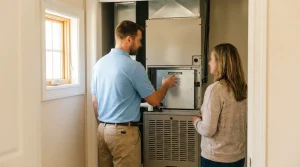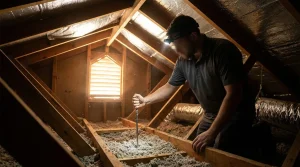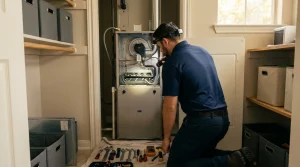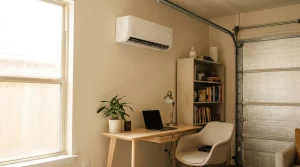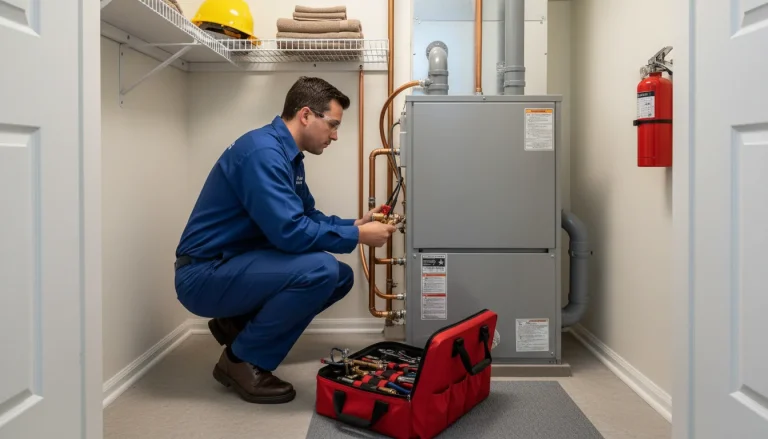
Heating installation in Houston requires a different approach than most of the country because our mild winters, limited heating demand, and year-round humidity mean the right heating system here often isn't the same one that works in Dallas, Atlanta, or anywhere north. Proper sizing and equipment selection prevent overspending on capacity you'll rarely use.
Houston homeowners don't think about heating as often as they do about cooling, and that's understandable. Your AC handles the heavy lifting for eight to nine months of the year. But when a cold front drops temperatures into the 30s or a rare freeze hits, your heating system needs to respond quickly and reliably. VeriChill specializes in residential heating installation across Greater Houston, and we help homeowners find the right balance between heating capability and smart investment.
Here's the reality: Houston averages only 10 to 15 days per year below 40°F. Your furnace or heat pump might run a total of 400 to 600 hours annually, compared to 2,500+ hours for your AC. That means the rules that guide heating decisions in Chicago, Denver, or even Dallas don't apply the same way here. This guide walks you through everything Houston homeowners need to know about heating installation, from choosing between furnaces and heat pumps to understanding what proper sizing looks like in a mild climate.
Heating System Types: What Works Best in Houston?
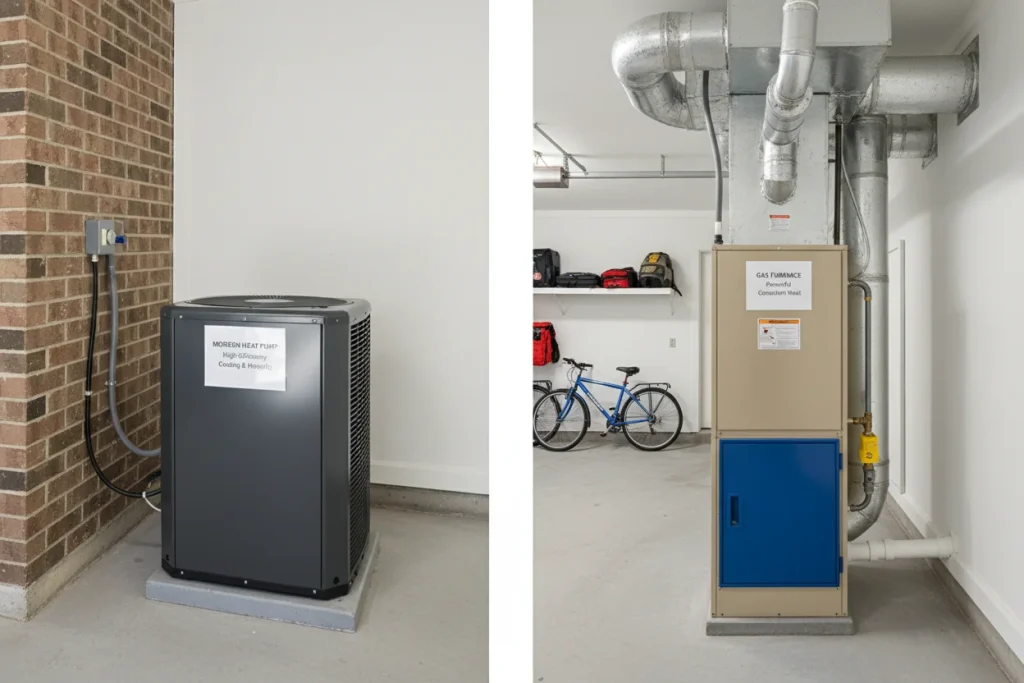
Houston homeowners typically choose among gas furnaces, heat pumps, or dual-fuel systems for heating. Heat pumps are increasingly popular because Houston's mild winters fall well within their efficient operating range, while gas furnaces remain reliable for homeowners who want dedicated heating power.
The heating system decision is simpler in Houston than in most markets because our climate eliminates some of the concerns that drive choices in colder regions. You don't need a system rated for subzero performance. You need one that responds quickly to occasional cold, runs efficiently during brief heating seasons, and ideally works well with your AC installation setup.
Gas Furnaces
Gas furnaces burn natural gas to produce heat and distribute warm air through your home's ductwork. They're the traditional choice and remain popular in Houston homes connected to CenterPoint Energy's natural gas network. Modern gas furnaces range from 80% to 98.5% AFUE (Annual Fuel Utilization Efficiency), meaning high-efficiency models convert nearly all their fuel into usable heat. According to the Department of Energy, modern heating systems can achieve efficiencies of up to 98.5%, converting nearly all the fuel into useful heat.
For Houston, a mid-efficiency furnace (80% AFUE) is often the most practical choice. Here's why: your furnace runs so infrequently that the energy savings from upgrading to 95%+ AFUE may not justify the added equipment cost. A furnace that runs 500 hours per year simply doesn't consume enough gas for the efficiency difference to add up quickly.
Heat Pumps
Heat pumps have become the rising star of Houston heating. They work by reversing the refrigeration cycle, pulling heat from outdoor air into your home during winter. Since they move heat rather than create it through combustion, they're remarkably efficient. The DOE reports that heat pumps can reduce electricity use for heating by significant margins compared to electric resistance heating.
In Houston, heat pumps make exceptional sense because our winter temperatures almost always stay above 35°F, which is well within a heat pump's optimal efficiency range. Below that threshold, most heat pumps rely on supplemental electric heat strips, which are less efficient. But for a city that sees only a handful of days below freezing per year, this rarely becomes an issue.
Dual Fuel Systems
Dual fuel systems pair a heat pump with a gas furnace. The heat pump handles heating on mild winter days (which cover most Houston winter days), and the gas furnace kicks in during rare extreme cold. It's the best-of-both-worlds approach, but it comes with a higher equipment cost that may not be justified given how rarely Houston temperatures drop low enough to trigger the furnace.
| System Type | Fuel Source | Efficiency Rating | Best For in Houston |
| Gas Furnace (80% AFUE) | Natural gas | 80% AFUE | Budget-conscious, existing gas line |
| Gas Furnace (90%+ AFUE) | Natural gas | 90-98.5% AFUE | Maximum gas efficiency, long-term savings |
| Heat Pump | Electricity | 14.3-22+ SEER2 / 7.5-13+ HSPF2 | Dual heating/cooling, energy efficiency |
| Dual Fuel | Gas + Electric | Combined ratings | Rare extreme cold backup, maximum flexibility |
Sizing Your Heating System for Houston's Climate
Heating system sizing in Houston must account for our low heating demand, mild winter temperatures, and brief heating season. Oversizing is even more common with heating than cooling because contractors often apply cold-climate sizing logic to a market that barely needs it.
This is where Houston's unique climate really matters. A heating contractor from the Midwest might look at your 2,500-square-foot home and recommend 80,000 BTU of heating capacity. For Houston? That's likely two to three times more than you actually need. Oversized heating systems in Houston waste money upfront, cycle on and off too frequently during the brief periods they run, and add equipment cost that provides almost no benefit in our climate.
What Proper Houston Heating Sizing Looks Like
Your contractor should evaluate your home's specific heating requirements based on its building envelope, not just floor area. In Houston, the focus shifts from "can this system handle extreme cold?" to "can this system respond quickly when cold fronts arrive without being dramatically oversized for normal winter conditions?" The assessment includes checking insulation levels, window quality, air sealing, ductwork condition, and how your home actually loses heat during winter.
The Oversizing Risk
An oversized furnace blasts hot air into your home, reaches the thermostat setpoint in minutes, and shuts off. Rooms near the air handler feel warm while distant rooms stay cool. The system cycles repeatedly through short run times, causing uneven comfort and increased wear on the igniter and gas valve. With a heat pump, oversizing reduces the system's ability to efficiently modulate its output, especially in variable speed models designed to run at lower capacities for longer periods.
- Houston's heating demand is a fraction of that in northern markets. Sizing logic from colder climates doesn't translate to our mild winters.
- Insulation and air sealing matter for heating, too. Poorly insulated homes lose heat faster, but the solution is often insulation upgrades, not a bigger furnace.
- Ductwork in unconditioned attics loses heated air. Attic temperatures drop at night during winter, and uninsulated ducts lose heat to the cold attic space.
- Square footage is a starting point, not a final answer. Your contractor should evaluate your home's actual heat loss characteristics during the assessment.
| Houston Heating Factor | Impact | Sizing Consideration |
| Average winter low 40-50°F | Low heating demand | Smaller capacity is needed than in cold climates |
| Only 10-15 days below 40°F | Very brief heating season | High-efficiency upgrades have longer payback |
| Occasional freezes (20s-30s) | Brief peak demand | System must respond quickly, but doesn't need sustained capacity |
| Year-round humidity | Heating affects indoor moisture | Heat pumps maintain a better humidity balance |
| Attic ductwork | Heat loss during cold nights | Duct insulation critical for heating efficiency |
The Heating Installation Process: What to Expect
A complete heating installation includes removing old equipment, installing the new heating unit, making all gas or electrical connections, configuring the thermostat, connecting or modifying ductwork, testing the system, and verifying airflow and temperature performance throughout your home.
Whether you're replacing an aging furnace or switching from gas heat to a heat pump, the installation process follows a structured sequence. Knowing what to expect helps you evaluate your contractor and plan for installation day.
Pre-Installation
Your contractor should visit your home before any equipment is ordered. During this assessment, they'll evaluate your existing heating equipment, ductwork, gas line (if applicable), electrical capacity, and thermostat. If you're switching from a furnace to a heat pump, the electrical panel may need to be upgraded to handle the heat pump's power requirements. These details should be identified and discussed before installation day, not discovered mid-project.
Installation Day
For a standard furnace replacement, expect six to eight hours of work. Heat pump installations may take slightly longer, especially if the outdoor unit requires preparation or if electrical work is needed. The crew protects your home, removes old equipment, installs new components, makes all connections, and performs a full system test before leaving.
System Commissioning and Verification
This is where quality contractors separate themselves. After installation, your system should be started and run through both heating and cooling cycles (for heat pumps) or a full heating cycle (for furnaces). The crew checks temperature differential, airflow at each register, thermostat response, and gas connections (for furnaces). VeriChill handles manufacturer warranty registration within 90 days so your 10-year parts and compressor coverage is secured from the start.
- Standard replacement timeline: Six to eight hours for furnace swap; up to a full day for heat pump conversions
- Gas line work: If switching fuel types or modifying gas lines, your contractor coordinates with CenterPoint Energy and local permitting as needed
- Thermostat setup: New thermostat installation and configuration should be included, with a walkthrough explaining settings and features
- Post-installation: Run the system normally and note any unusual sounds, odors, or temperature inconsistencies. Contact your contractor with any concerns
Why Houston's Heating Needs Are Unlike Anywhere Else
Houston's average heating season lasts roughly three to four months, with most days requiring only mild supplemental heat. This means your heating system's primary job is to respond to occasional cold fronts, not to sustain cold-weather performance, which fundamentally changes how you should invest.
Here's the thing about heating in Houston: it's not about surviving winter. It's about staying comfortable during a handful of cold mornings and the occasional multi-day cold snap that drops temperatures into the 30s or lower. The February 2021 freeze was a dramatic exception, not the norm. Most Houston winters are mild enough that a well-insulated home with a properly sized heating system stays comfortable with minimal effort.
This reality should guide your investment decisions. Spending premium dollars on a 98% AFUE condensing furnace makes sense in Minnesota, where the furnace runs 3,000+ hours annually. In Houston, where that same furnace might run 500 hours, the efficiency premium takes much longer to pay back. The same logic applies to heat pump HSPF2 ratings. Higher is better, but the financial difference between good and excellent heating efficiency is smaller when your heating demand is modest.
What does matter in Houston is reliability and response time. When a cold front moves through, your system needs to bring your home to temperature quickly and maintain it without cycling excessively. Proper sizing, quality installation, and well-maintained ductwork handle this far better than oversized equipment with premium-efficiency ratings.
- Average Houston winter day: Highs in the 50s-60s°F, lows in the 40s. Mild supplemental heat is needed only in mornings and evenings.
- Cold front days: Temperatures drop into the 30s-40s for two to four days at a time, several times per winter. This is your heating system's real workload.
- Rare freeze events: Temperatures in the 20s or below happen a few times per year at most. These brief events don't justify massive investments in heating capacity.
- Houston humidity during winter: Indoor air can still feel clammy during mild winter days. Heat pumps handle this better than furnaces because they don't over-dry the air.
Key Takeaways
- Houston's mild winters make heating system selection fundamentally different from colder markets. Don't apply northern sizing logic to a Gulf Coast home.
- Heat pumps are increasingly the smart choice for Houston because our winter temperatures stay well within their efficient operating range, and they handle both heating and cooling.
- Gas furnaces remain reliable for Houston homeowners who want dedicated heating, especially at mid-efficiency levels where the upfront cost matches the low annual usage.
- Oversizing your heating system wastes money on equipment capacity you'll barely use and creates short-cycling comfort problems during the brief heating season.
- A professional on-site assessment is the only reliable way to determine the proper heating capacity for your Houston home's specific characteristics.
- Installation quality and warranty protection matter. A properly installed system with registered warranty coverage protects your investment for years.
Frequently Asked Questions
Does my Houston home really need a heating system?
Yes. While Houston winters are mild, temperatures regularly drop into the 40s and occasionally into the 20s-30s. A properly sized heating system keeps your home comfortable during cold fronts and rare freeze events without relying on space heaters.
Should I choose a furnace or heat pump for my Houston home?
Heat pumps are an excellent choice for Houston because they handle both heating and cooling efficiently in our mild climate. Gas furnaces remain a solid option if you prefer dedicated heating or already have natural gas infrastructure.
How long does a heating system last in Houston?
Gas furnaces often last 20+ years in Houston because they run infrequently compared to cooler climates. Heat pumps typically last 12 to 15 years since they handle both heating and cooling year-round.
What AFUE rating should I look for in a Houston furnace?
For Houston's limited heating season, an 80% AFUE furnace is often the most practical choice. The energy savings from upgrading to 90%+ AFUE take longer to recoup when the furnace runs only 400 to 600 hours annually.
How long does heating installation take?
A standard furnace replacement takes six to eight hours. Heat pump installations or conversions from gas to electric may take a full day, especially if electrical upgrades are needed.
What size heating system do I need for my Houston home?
Size depends on your home's insulation, windows, ductwork, and layout. Houston's low heating demand means most homes need less capacity than you'd expect. A professional assessment prevents expensive oversizing.
Does VeriChill install both furnaces and heat pumps?
Yes. VeriChill installs gas furnaces, heat pumps, and dual fuel systems. We help Houston homeowners choose the right option based on their home's characteristics, comfort goals, and budget.
What warranty comes with heating installation?
Every VeriChill installation includes a 10-year parts and compressor warranty. We handle manufacturer registration within 90 days of installation to secure your full coverage.
When is the best time to install a heating system in Houston?
Fall is ideal. You'll have your new system ready before the first cold front, and contractors have more scheduling flexibility than during peak summer AC season.
Does VeriChill offer financing for heating installation?
Yes. We partner with Wells Fargo, Synchrony Bank, and Goodleap to provide flexible financing options for heating system installation at every budget level.
Conclusion
Heating installation in Houston is about matching your investment to our climate reality: mild winters with occasional cold snaps that demand a responsive, properly sized system. Whether you choose a gas furnace, a heat pump, or a dual-fuel setup, the key is to work with a contractor who understands that Houston's heating needs are fundamentally different from most of the country. Don't overspend on capacity you won't use, and don't underspend on installation quality that determines how long your system lasts. VeriChill designs and installs heating systems tailored to Greater Houston's unique climate. Schedule a free in-home evaluation, and we'll walk through exactly what your home needs for year-round comfort.