An energy recovery ventilator (ERV) is a small, balanced ventilation system that brings filtered fresh air into your home while sending stale indoor air out, and it passes heat and moisture between the two airstreams so the incoming air arrives closer to indoor conditions. In Houston, that moisture exchange is the main reason an ERV makes sense: it lets a tight, modern home breathe without pulling in as much Gulf Coast humidity as an open window or a plain fresh air duct would. An ERV does not replace your air conditioner or a dehumidifier, but it can be a smart addition to a well-sized system.
Here is a scenario that plays out across Houston every year. A family moves into a newer home in Katy or Cypress with spray foam in the roof deck, tight windows and a high efficiency air conditioner. The bills are reasonable and the house holds temperature well. Yet by late evening the air feels stuffy, cooking smells hang around until morning, and the bedrooms feel close when the doors are shut.
That house is simply sealed well enough that little fresh air finds its way in on its own. An energy recovery ventilator is one of the cleanest ways to solve that problem in our climate, and this guide explains how it works, where it helps, where it falls short, and how to decide whether one belongs in your plans.
What an Energy Recovery Ventilator Actually Does
An ERV swaps stale indoor air for fresh outdoor air in a controlled, balanced way. Two small fans move equal amounts of air in and out, so the house is neither pressurized nor depressurized.
The core does the real work
Inside the cabinet sits a heat exchange core. The outgoing indoor airstream and the incoming outdoor airstream pass through separate channels in that core without mixing. As they pass, the core transfers heat from the warmer stream to the cooler one. In an ERV, the core material also transfers water vapor, which is what separates it from simpler equipment.
Why moisture transfer matters here
On a typical Houston summer day, outdoor air is hot and loaded with moisture, while the air inside your air conditioned home is cooler and drier. As the two streams pass through an ERV core, some of the incoming heat and humidity moves into the outgoing stale air and leaves the house. The fresh air that reaches your ducts carries less of the outdoor moisture load than it would through a plain fresh air intake, so your cooling system has less work to do to keep the house comfortable.
Fresh air without opening windows
The EPA notes that most home heating and cooling systems, including forced air systems, do not mechanically bring fresh air into the house. They recirculate the same indoor air through a filter. In most homes, outdoor air arrives only through leaks, open doors and windows, and exhaust fans. An ERV adds a steady, filtered supply of outdoor air on purpose, which matters most in the humid months when opening windows is the last thing you want to do.
Ventilation is not the same as dehumidification
This is the point that causes the most confusion. An ERV limits how much moisture fresh air adds, but it does not actively pull moisture out of the house. If your home already struggles with high indoor humidity, an ERV alone will not fix it. That job belongs to a correctly sized air conditioner running long enough cycles, or to a dedicated dehumidifier.
Why Houston Homes Need Fresh Air in the First Place
Houston's humidity and long cooling season shape almost every comfort decision a homeowner makes. Humidity stays high for most of the year, and air conditioners here run through most of the calendar. That combination makes ventilation a balancing act.
Tighter homes trap more indoor pollutants
Newer construction and well-sealed older homes leak far less air than houses built a few decades ago. That is good for energy use, but it also means pollutants generated inside the home stay longer: cooking fumes, cleaning products, off-gassing from new furniture and flooring, pet dander and the carbon dioxide everyone exhales. Our guide to indoor air quality in Houston homes explains how those sources build up and what your HVAC system can do about them.
How much fresh air a home needs
There is a recognized benchmark for this. As the EPA explains, ASHRAE Standard 62.2 recommends that homes receive 0.35 air changes per hour, but not less than 15 cubic feet of air per minute (cfm) per person, as a minimum ventilation rate. The EPA adds that bringing in outdoor air helps control pollutant levels, odors, temperature, humidity and other factors that affect comfort and health. A tight home may fall short of that benchmark through natural leakage alone.
The humidity trap of raw outdoor air
The simplest way to add fresh air is a duct that pulls outdoor air into the return side of your system. In a dry climate that works fine. In Houston, every cubic foot of that air carries summer moisture straight into the house, and your air conditioner has to remove it. In mild months like October, when the system runs less, that moisture can linger. Balanced ventilation with energy recovery reduces that penalty.
ERV vs HRV and Other Ventilation Options
Homeowners researching fresh air quickly run into the comparison between an ERV and an HRV (heat recovery ventilator). Both are balanced systems with a heat exchange core. The difference is moisture.
How an HRV differs
An HRV core transfers heat but not moisture. That makes HRVs a strong choice in cold, dry climates, where homeowners want to keep indoor heat but get rid of excess winter humidity. In Houston, the opposite problem dominates: we want to keep outdoor moisture out for most of the year. An ERV handles that better, which is why it is usually the recommended option for hot, humid climates like ours.
Comparing the main ventilation approaches
The table below compares the common ways to bring fresh air into a Houston home.
| Ventilation approach | How it works | Moisture handling in Houston | Best fit |
|---|---|---|---|
| Energy recovery ventilator (ERV) | Balanced supply and exhaust through a core that transfers heat and moisture | Reduces the humidity that fresh air brings in | Tight homes in hot, humid climates |
| Heat recovery ventilator (HRV) | Balanced supply and exhaust through a core that transfers heat only | Brings in outdoor moisture with the fresh air | Cold, dry climates |
| Supply-only fresh air duct | Pulls outdoor air into the HVAC return | Adds the full outdoor moisture load | Homes with strong dehumidification capacity |
| Exhaust-only fans | Bath or kitchen fans push air out, makeup air leaks in | Uncontrolled humid air enters through gaps | Spot ventilation, not whole-house |
| Ventilating dehumidifier | Brings in outdoor air and dries it before it enters | Actively removes moisture | Homes with persistent humidity problems |
When a dehumidifier pairs well with an ERV
Some Houston homes benefit from both. The ERV handles fresh air efficiently, and a whole-home dehumidifier manages indoor moisture during mild weather when the air conditioner barely runs. Our article on whole-home dehumidification covers when that second piece of equipment makes sense.
Exhaust fans still matter
An ERV does not replace a vented kitchen range hood or bathroom exhaust fans. Those remove moisture and pollutants at the source, right where they are created. Whole-house ventilation and spot ventilation work together.
Installation, Sizing and Upkeep
An ERV is a modest piece of equipment, but how it is selected, located and connected decides whether it helps or becomes a nuisance.
Sizing to the house, not a guess
ERVs are rated by airflow in cfm. The right capacity depends on the size of the home, the number of bedrooms and occupants, and how tight the house is. An undersized unit does little. An oversized one, run constantly, brings in more outdoor air than the house needs and adds load to the cooling system during the most humid weeks.
Stand-alone or tied into your ductwork
There are two common setups. A fully ducted ERV has its own supply and exhaust ducts to specific rooms, usually pulling stale air from bathrooms and the kitchen area and delivering fresh air to bedrooms and living spaces. A simplified setup connects the ERV to the return and supply sides of your existing air handler, using the system blower to distribute fresh air. The simplified approach is common in retrofits, but it depends on ductwork that is in good shape and sized correctly.
Location and outdoor hoods
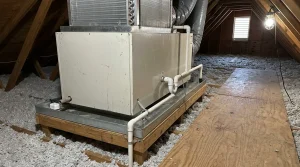
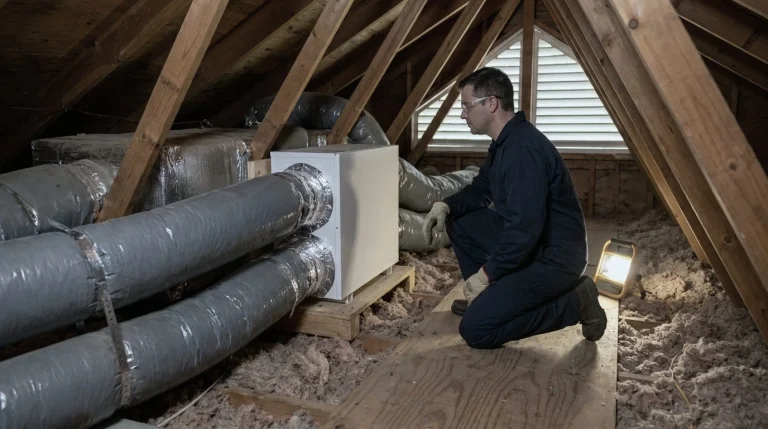
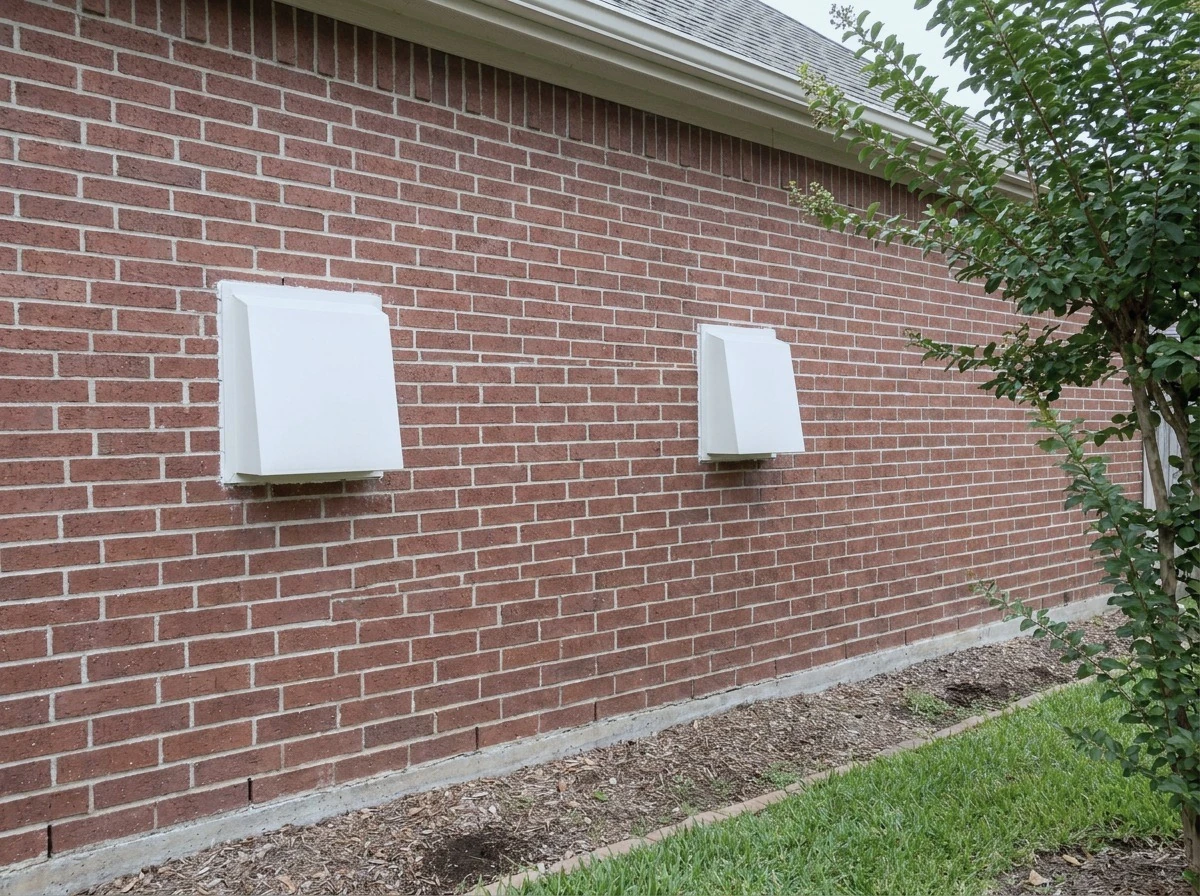
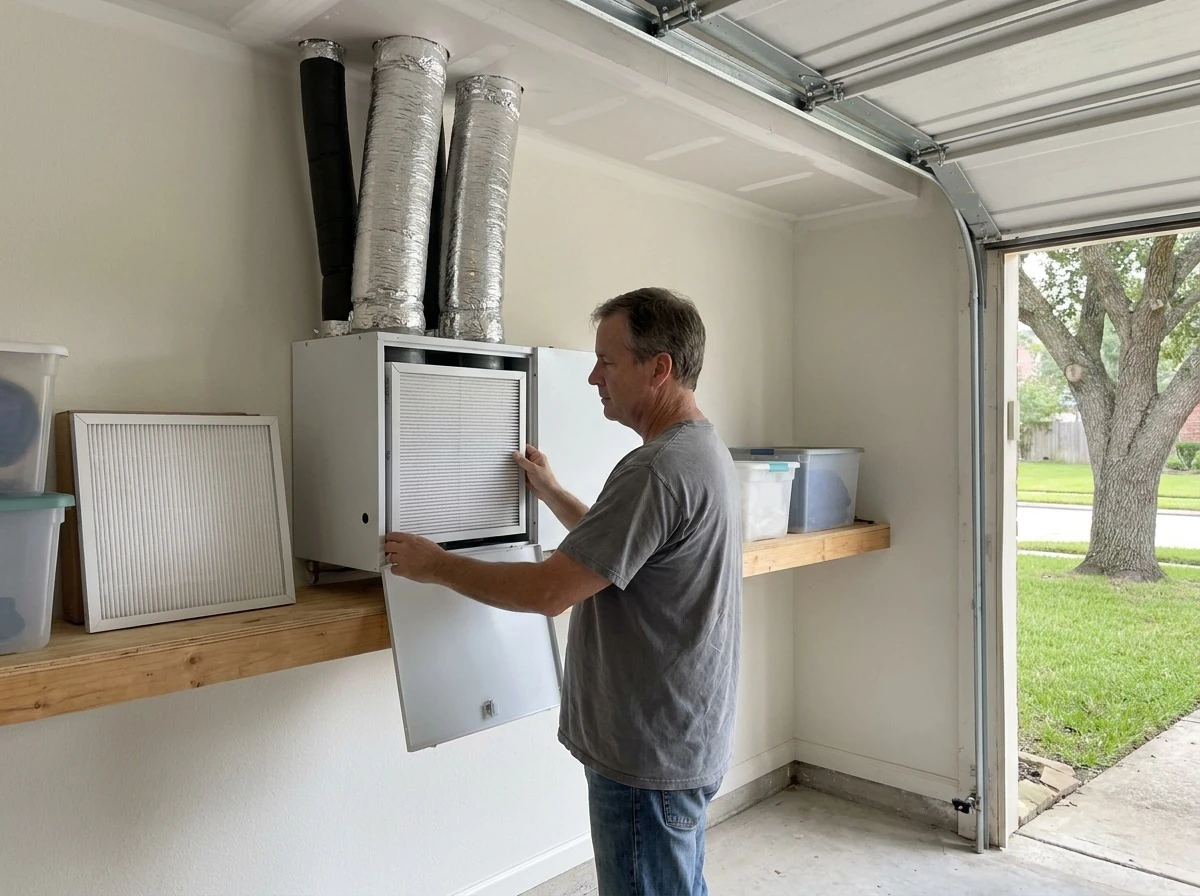
An ERV usually sits in the attic, on a garage wall or in a utility closet near the air handler. Two weatherproof hoods on the exterior wall or roof handle intake and exhaust, and they need to sit far enough apart that stale air is not drawn straight back in. The intake should stay away from dryer vents, driveways, trash areas and the outdoor condenser.
Balancing and controls
A properly installed ERV is balanced so that supply and exhaust airflow match. Controls range from a continuous low setting to timers and humidity sensors that adjust run time, which can help during the most humid hours.
Routine maintenance
Upkeep is simple but cannot be ignored. Filters on both airstreams need regular checks and replacement, and the core needs periodic inspection and cleaning following the manufacturer's directions. Check exterior hoods for leaves and wasp nests that choke airflow.
Is an ERV Right for Your Houston Home?
An ERV is not a must-have for every house. It earns its place in some homes and adds little in others.
Homes that benefit most
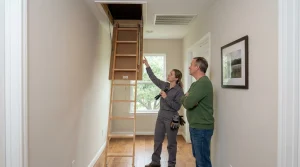
The strongest candidates are tight homes: new construction, homes with spray foam roof decks or encapsulated attics, and older homes that have had major air sealing and window upgrades. Families with allergies or asthma, people who work from home and households with several occupants also tend to notice the difference. If you are planning a new HVAC system installation, it is a good moment to look at ventilation, because the ductwork and air handler are being evaluated anyway.
Homes that may not need one
Leakier older homes often get plenty of outdoor air through gaps and cracks. In those houses, sealing ducts and attic bypasses usually comes first, and a ventilation plan comes later, after the house is tighter. Adding mechanical ventilation to a leaky house rarely improves comfort.
The honest tradeoffs
ERVs add equipment, ductwork and a maintenance task. They use a small amount of electricity to run the fans. They do not remove humidity the way an air conditioner or dehumidifier does, and a poorly placed or unbalanced unit can bring in more moisture than it should. What drives the total project cost is mostly the setup: a simplified connection to an existing air handler is less involved than a fully ducted system with dedicated runs to each room, and attic access, wall penetrations and control options all play a part.
How it fits with your cooling equipment
An ERV works with any central system, including a heat pump. It reduces the moisture and heat that fresh air brings in, but the air conditioner still does the heavy lifting. A two-stage or variable-speed system that runs long, steady cycles pairs especially well with an ERV because it keeps removing moisture throughout the day. If you are weighing AC replacement and installation alongside a ventilation upgrade, plan them together so the equipment, ducts and controls work as one system.
How our team looks at ventilation during a replacement
At VeriChill, every new installation or full replacement starts with an in-home evaluation that looks at insulation, ductwork, ceiling heights, window orientation and airflow distribution. Those same details tell us a lot about how a home breathes. A tight house with spray foam and new windows raises different questions than an older ranch home with original ducts.
Our focus is residential installs and replacements, so ventilation comes up as part of choosing the right system. If a home is a good candidate for balanced fresh air, we talk through it alongside sizing, ductwork and equipment choices for both heating and air conditioning installation. If it is not, we say so. For more background on airflow and comfort in our climate, our article on home ventilation in Houston is a helpful companion read.
Key Takeaways
- An ERV brings in filtered fresh air while exhausting stale air, and its core transfers both heat and moisture between the two airstreams
- In Houston's humid climate, an ERV limits how much outdoor moisture fresh air adds, which is why it usually beats an HRV here
- An ERV is not a dehumidifier, so homes with ongoing humidity problems may also need a dehumidifier or a better-sized cooling system
- According to the EPA, ASHRAE Standard 62.2 recommends at least 0.35 air changes per hour and not less than 15 cfm per person for homes
- Tight homes, new construction and spray foam attics benefit most, while leaky older homes usually need air sealing first
- Correct sizing, balanced airflow, well-placed outdoor hoods and regular filter changes decide whether an ERV performs well
Frequently Asked Questions
What does an energy recovery ventilator do?
An energy recovery ventilator replaces stale indoor air with fresh outdoor air in a balanced, continuous way. Two fans move air in and out through a core that keeps the airstreams separate while transferring heat and moisture between them. In Houston, that means incoming summer air gives up some of its heat and humidity to the outgoing air before it reaches your ducts. You get fresher indoor air with a smaller moisture penalty than a plain fresh air intake or an open window.
Which is better, an ERV or HRV, for Houston?
For most Houston homes, an ERV is the better choice. An HRV transfers only heat, so it brings outdoor humidity into the house along with the fresh air. That works well in cold, dry climates, where getting rid of indoor moisture is helpful. Here, the bigger challenge is keeping Gulf Coast moisture out for most of the year. An ERV transfers moisture as well as heat, which reduces the humidity load that ventilation adds to your air conditioner during our long cooling season.
What are the disadvantages of an ERV?
An ERV adds equipment, ductwork and a maintenance task, since filters and the core need regular attention. The fans use a small amount of electricity. It does not dehumidify, so a home with ongoing humidity problems still needs a properly sized air conditioner or a dehumidifier. A unit that is oversized, unbalanced or poorly placed can bring in more outdoor air and moisture than the house needs. Leaky older homes may see little benefit until the house is sealed better.
Can an ERV work with a heat pump?
Yes. An ERV works with heat pumps, gas furnaces and standard central air conditioners. It can run as a stand-alone system with its own ducts or connect to the return and supply sides of your air handler. With a heat pump, the ERV reduces the heat and moisture that fresh air brings in during summer and limits heat loss during our short, mild winters. The heat pump still handles heating and cooling, while the ERV handles fresh air.
What affects the cost of adding an ERV?
The biggest factor is the type of installation. A simplified ERV connected to an existing air handler is a smaller project than a fully ducted system with dedicated supply and exhaust runs to each room. Unit capacity, attic or closet access, the number of exterior wall or roof penetrations, control options and the condition of your current ductwork also affect the total. Adding an ERV during a full system replacement is often simpler than adding one on its own later.
Conclusion
Houston homes have become tighter and more efficient, and that is a good thing for comfort and energy use. The tradeoff is that fresh air no longer finds its way in by accident, and in our climate, the wrong kind of fresh air brings a heavy load of humidity with it.
An energy recovery ventilator answers both problems for the right home. It brings in a steady supply of filtered outdoor air, sends stale air out, and limits the moisture that comes along for the ride. Paired with a correctly sized, steady-running cooling system, it can make a tight house feel fresher without making it feel damp.
VeriChill can help you sort out whether balanced ventilation fits your home as part of a new system or full replacement. Call VeriChill at 281-559-6995 or contact our team to set up an in-home evaluation.