AC warranty coverage usually comes in layers. The manufacturer's limited warranty covers parts that fail from a defect, often including the compressor, while labor is a separate promise from the installer, and a home warranty is a different service contract altogether. In Houston, where an air conditioner runs most of the year, the details matter: registration deadlines, maintenance records, matched equipment and a proper installation can decide whether a claim is paid. Read the terms before the system fails, not after.
Here is a scenario that plays out across Houston every summer. The air conditioner quits on a humid afternoon, the homeowner remembers the system came with a warranty, and only then learns that the parts are covered but the labor is not, or that the unit was never registered and the coverage is shorter than expected.
Most of those surprises are avoidable. This guide explains what an AC warranty covers, what it usually leaves out, how manufacturer, labor and home warranties differ, and the simple steps that keep your coverage intact for the life of the system.
What an AC Warranty Actually Covers
An AC warranty is a promise about defects, not a promise that nothing will ever go wrong. Knowing which promise you have, and who made it, is the first step.
The manufacturer's limited parts warranty
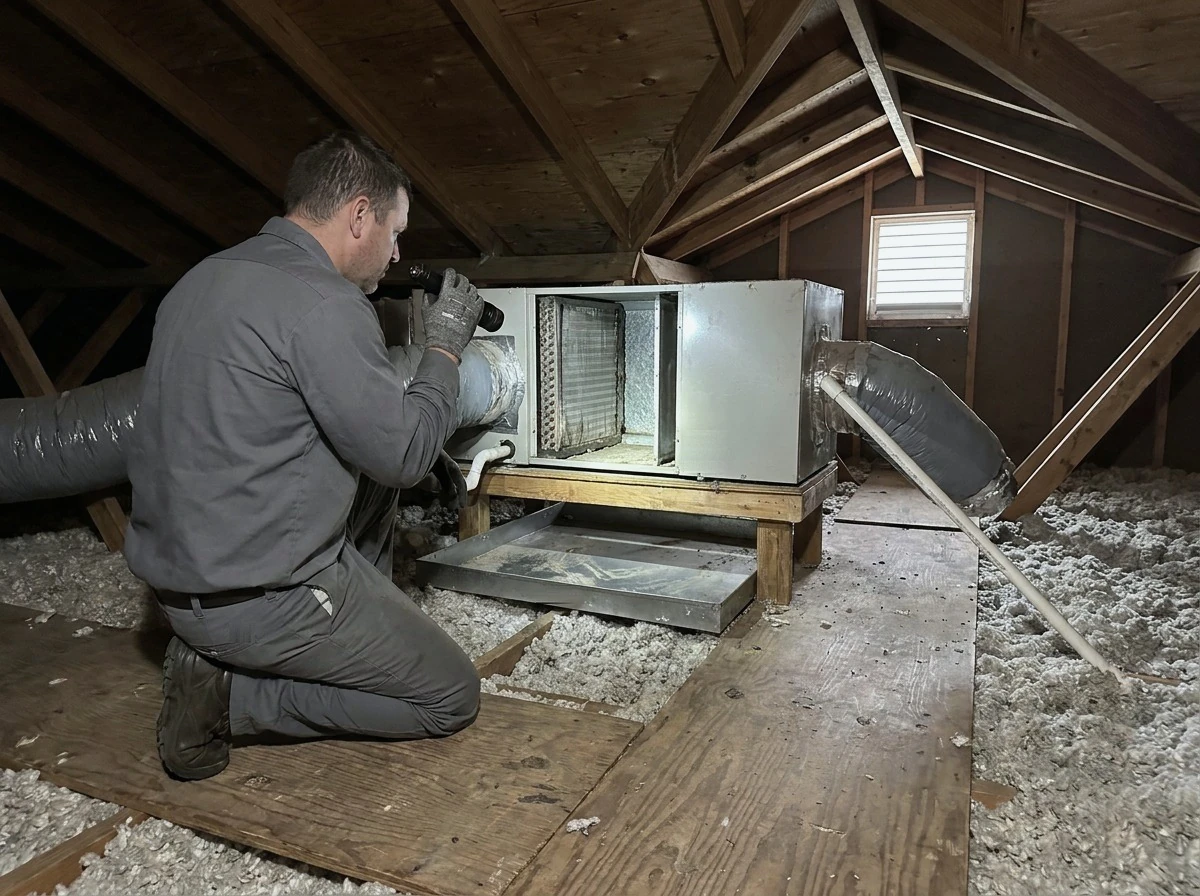
Almost every new central air conditioner and heat pump ships with a limited warranty from the manufacturer. It typically covers replacement parts that fail because of a defect in materials or workmanship at the factory. Covered components often include the coils, fan motors, control boards and valves in both the outdoor condenser and the indoor unit. The word "limited" matters: the warranty spells out exactly which parts are included, for how long and under what conditions.
Compressor coverage
The compressor is the most expensive single part of an air conditioning system, so it is the part most homeowners care about. Many manufacturers list the compressor separately in the warranty document, sometimes with its own term. Our guide to what causes compressor failure explains why low refrigerant, poor airflow and electrical problems can wear one out, and why those causes matter if you ever need to file a claim.
Labor is a separate question
A manufacturer's warranty usually covers the part, not the work needed to diagnose the problem and install the replacement. On a major repair, labor can be a large share of the bill. That is why the installer's labor warranty, and how long it lasts, deserves as much attention as the parts warranty when you compare quotes.
Registration often decides the term
Many manufacturers offer a base warranty term and a longer term only when the equipment is registered within a set window after installation. Registration is easy to forget in the busy weeks after a new system goes in, and missing the deadline can shorten your coverage. Check the registration rule in your warranty document the day the system is installed.
Manufacturer, Labor and Home Warranties Compared
People use the word "warranty" for three different kinds of protection. Each one is offered by a different party and covers a different kind of problem.
Labor warranties from the installer
A labor warranty comes from the contractor who installed the system. It covers the cost of the work to repair or replace a failed part during its term, and it often includes problems caused by the installation itself. Terms vary widely from company to company, so ask for the labor warranty in writing and read what it covers before you sign.
Home warranties and service contracts
A home warranty is an annual service contract sold by a third-party company, often bundled with a home sale. It can cover repairs from normal wear and tear on many home systems, usually with a service fee for each visit, coverage limits and its own list of exclusions. The company, not you, typically chooses the service contractor.
Extended warranties
Some manufacturers and contractors sell extended coverage that lengthens the parts or labor term. Before paying for extended coverage, compare what it adds against what the standard warranty already includes, and check whether it is backed by the manufacturer or by a separate company.
How the three compare
| Type of coverage | Who provides it | What it usually covers | Common limits |
|---|---|---|---|
| Manufacturer limited warranty | Equipment manufacturer | Defective parts, often including the compressor | Labor not included; registration and maintenance rules apply |
| Labor warranty | Installing contractor | Work to repair or replace failed parts | Term and scope vary by company |
| Home warranty | Third-party service company | Repairs from normal wear and tear | Service fees, coverage caps, many exclusions |
| Extended warranty | Manufacturer or a separate company | Longer parts or labor term | Added cost; read who backs it |
What AC Warranties Usually Exclude
Most denied claims come down to a short list of exclusions. Knowing them now saves frustration later, especially for a system that works as hard as ours do in the Houston heat.
Refrigerant, diagnostics and service fees
Even when a covered part is replaced at no cost, refrigerant, diagnostic time and trip charges are often excluded. A leak repair can involve all three, so the out-of-pocket share of a "covered" repair is not always small. Ask your installer which of these the labor warranty includes.
Improper installation and mismatched equipment
Manufacturers generally require the system to be installed according to their instructions and local codes, and many limit coverage when the outdoor unit and indoor coil are not a matched, rated combination. A failure caused by a poor installation may be excluded entirely. That is one more reason a careful home AC unit installation protects your warranty as well as your comfort.
Missing maintenance and neglect
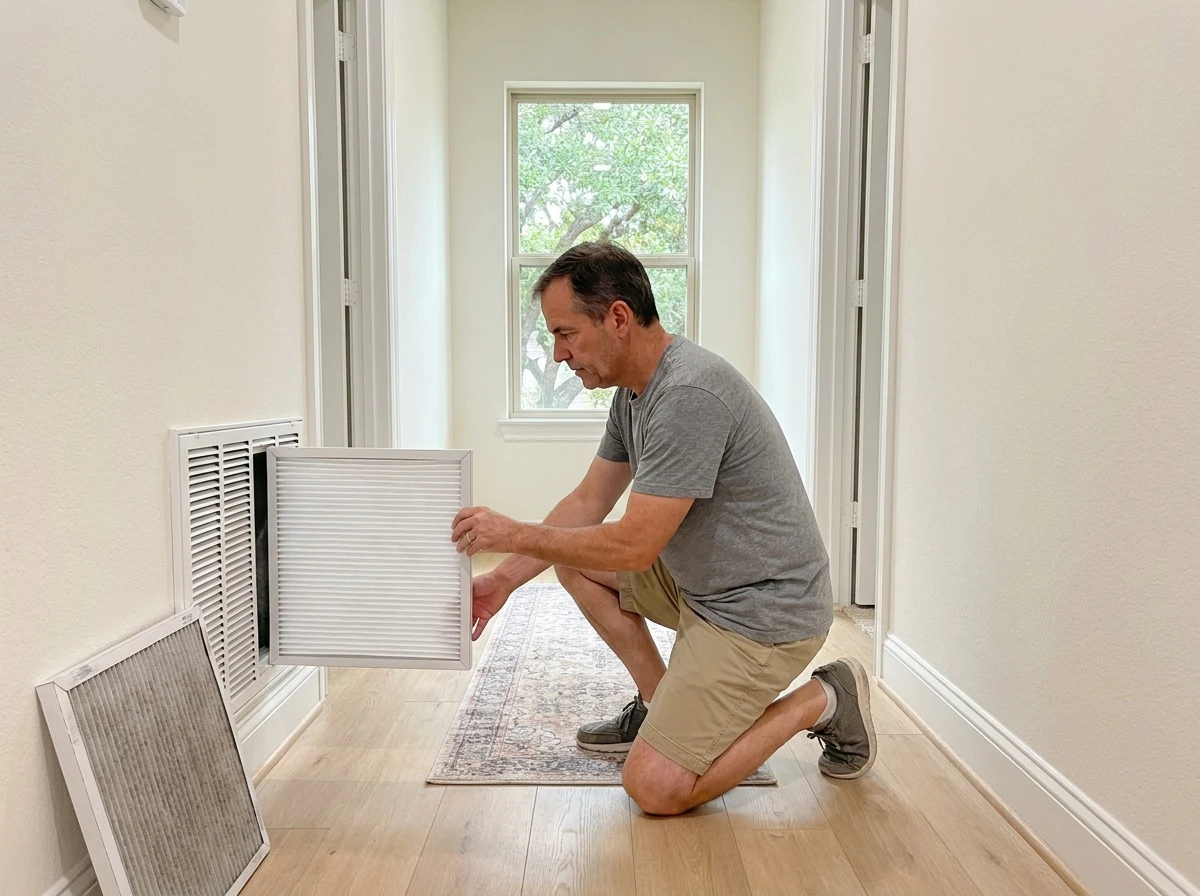
Many warranty documents allow a claim to be denied when the failure traces back to neglect, such as a clogged filter, a dirty coil or a blocked condensate drain. Routine care is part of keeping coverage. The habits in this guide to getting the most from your AC protect the equipment and the coverage at the same time.
Storms, flooding and power surges
Damage from lightning, flooding, power surges and other outside events is usually excluded from a manufacturer's warranty. In a city that sees tropical storms and heavy rain, those losses are more often a question for your homeowners insurance than for the equipment warranty.
Refrigerant changes and older systems
Refrigerant rules also shape what a repair looks like years from now. Under the EPA's technology transitions restrictions, residential air conditioning and heat pump systems such as unitary systems and mini-splits, manufactured or imported from January 1, 2025, are held to a global warming potential (GWP) limit of 700 for their refrigerant. New systems now use refrigerants such as R-454B and R-32 in place of R-410A, and our article on refrigerant changes in 2026 explains what that means for older equipment. A warranty covers parts, but it cannot guarantee that every older component stays easy to find.
How to Protect Your Coverage in Houston
Keeping a warranty valid takes a few minutes of effort at installation and a little attention each year. These steps make a future claim much smoother.
Keep the paperwork in one place
Save the installation date, the model and serial numbers of the outdoor and indoor units, the registration confirmation and the installer's labor warranty. A photo of each unit's data plate stored with your home records is a simple backup. When something fails, the first questions will be about those details.
Stay on top of routine care
Change or clean the air filter on schedule, keep the outdoor unit clear of grass clippings and shrubs, and have the system checked periodically by a qualified technician. Keep the receipts. In a humid climate like Houston, the condensate drain deserves special attention, because a clogged line can cause water damage that falls outside most coverage.
Act quickly when something goes wrong
If the system stops cooling, makes new noises or starts leaking water, turn it off and call for service rather than letting it run. Continuing to operate a failing system can turn a covered part failure into wider damage that is harder to claim. Use a qualified contractor so the repair does not create a new exclusion.
Know what happens when you sell the home
Some manufacturer warranties transfer to a new owner and some do not, and a few require a transfer step within a set time. If you are buying or selling a home in Katy, Cypress or anywhere else in the Houston area, check the transfer rules early so the coverage does not lapse with the closing.
How Our Team Approaches a New Installation
Protecting your coverage is part of every installation we plan, not an afterthought. Our team focuses on new system installations and full replacements for homes across the Houston area.
Coverage that starts with the right installation
Every job starts with an in-home evaluation that looks at your insulation, ductwork, ceiling heights, window orientation and airflow distribution, so the system fits the house and runs the way the manufacturer intended. If the furnace or air handler is due as well, a combined ac and heating installation keeps the indoor and outdoor equipment matched.
Registration handled for you
VeriChill installations come with a warranty of 10 years parts and compressor, with VeriChill handling the 90-day registration. Registration is the step most likely to be forgotten after a new install, so we take it off your list.
Financing and service areas
For qualified homeowners, financing is available through Wells Fargo, Synchrony Bank and Goodleap. Texas HVAC licensing is held at the company level, and we serve Houston, Cypress, Katy, Spring, Sugar Land and Tomball. If you are comparing companies, an hvac installer who explains the warranty terms clearly before the work begins is a good sign.
Key Takeaways
- AC warranty coverage comes in layers: manufacturer parts, installer labor and optional home or extended warranties.
- Manufacturer warranties cover defective parts, often including the compressor, but usually not labor, refrigerant or diagnostics.
- Registration within the manufacturer's window often decides how long the parts coverage lasts.
- Improper installation, mismatched equipment and missing maintenance are common reasons claims are denied.
- Storm, flood and power surge damage is usually a homeowners insurance question, not a warranty claim.
- Keep model numbers, registration confirmation, labor warranty terms and maintenance receipts together for a smooth claim.
Frequently Asked Questions
What does an AC warranty cover?
A manufacturer's AC warranty covers replacement parts that fail because of a defect in materials or workmanship, often including the compressor, coils, fan motors and control boards. It usually does not cover the labor to diagnose and replace the part, refrigerant, or damage from storms, power surges, neglect or improper installation. A separate labor warranty from your installer can fill part of that gap, so it is worth reading both documents together before you ever need them.
Is labor covered under an AC warranty?
Usually not under the manufacturer's warranty. Most manufacturer warranties cover the replacement part only, and the cost of the technician's time, diagnosis and trip charges falls to the homeowner unless the installer provides a labor warranty. Labor terms vary widely from one contractor to another, so ask for the labor warranty in writing, check how long it lasts, and confirm whether it includes refrigerant and diagnostic time before you choose a company.
Do I need to register my AC to keep the warranty?
Often, yes. Many manufacturers offer a longer parts warranty only when the system is registered within a set number of days after installation, and an unregistered system may fall back to a shorter base term. The exact rule is in your warranty document. Register as soon as the system is installed, keep the confirmation with your home records, and ask whether your installer handles registration for you so the deadline does not slip by.
Is AC covered in a home warranty?
Many home warranty plans include central air conditioning, but a home warranty is a service contract from a third-party company, not the manufacturer's warranty. Plans typically charge a service fee for each visit, set coverage limits and list their own exclusions, such as pre-existing conditions or improper installation. Read the plan's terms for air conditioners carefully, and keep the manufacturer's warranty registered as well, since the two can work alongside each other.
Can skipping maintenance void my AC warranty?
It can. Many warranty documents allow a claim to be denied when a failure traces back to neglect, such as a clogged filter, a dirty coil or a blocked condensate drain. In Houston, where systems run for much of the year, routine care matters even more. Change filters on schedule, keep the outdoor unit clear, have the system checked periodically and save every receipt so you can show the equipment was properly cared for.
Conclusion
An AC warranty is only as useful as your understanding of it. The manufacturer covers defective parts, often including the compressor, while labor, refrigerant and outside damage depend on other agreements or on you. Registration deadlines, matched equipment, a proper installation and steady maintenance decide how well that protection holds up.
In Houston, where an air conditioner carries a heavy load through a long, humid cooling season, it pays to know your coverage before the first hot afternoon it fails. A few minutes with the paperwork today can save a stressful surprise later.
If you are planning a new system and want every term explained before work begins, VeriChill can walk you through them. Call VeriChill at 281-559-6995 or contact our team to schedule an in-home evaluation.