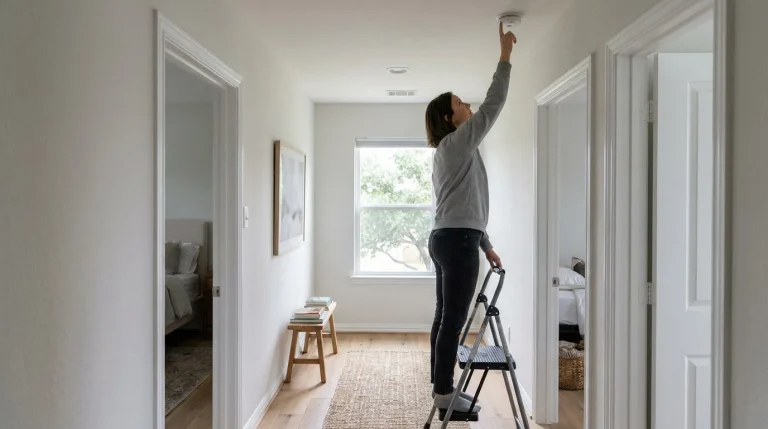
A heating system safety checklist for a Houston home covers four things before the first cold front: clear space around the furnace or air handler, a clean filter, venting and gas connections that look intact, and working carbon monoxide and smoke alarms near the bedrooms. Gas furnaces need extra attention to the flame, the flue and the heat exchanger, while heat pumps and electric heat strips need a clear outdoor unit and sound wiring. Anything that smells like gas, sparks or trips a breaker calls for a qualified professional, not a do-it-yourself fix.
Here is a scenario that plays out across Houston every fall. The first real cold front arrives, someone switches the thermostat to heat for the first time since February, and a dusty smell drifts through the house. Usually it is harmless. Sometimes it is the first sign of a problem that has been sitting quietly in the attic all summer.
Our heating season is short, which makes it easy to forget about the furnace for most of the year. This checklist walks through what you can safely check yourself, what deserves a professional inspection, and the warning signs that mean you should shut the system off and step away.
Why Heating Safety Still Matters in Houston
Mild winters do not make heating equipment less risky. In some ways, they make it easier to overlook.
Long idle months, sudden heavy use
A Houston heating system can sit unused from spring until late fall, then run hard during a cold snap. Dust settles on burners and heat strips, insects and debris find their way into vents, and small problems go unnoticed until the first night the system is needed. A quick check before that first cold front catches most of them.
Gas furnaces, heat pumps and heat strips
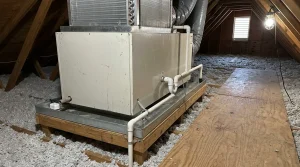
Many Houston homes heat with a gas furnace in the attic or a garage closet. Others use a heat pump, often paired with electric resistance heat strips in the air handler for colder nights. Each type has its own safety points. A gas furnace burns fuel and produces combustion gases that must vent outside, while a heat pump and heat strips carry high electrical loads that need sound wiring and breakers.
Carbon monoxide basics
Carbon monoxide is the main reason gas heating deserves respect. The EPA's carbon monoxide overview describes it as a colorless, practically odorless, and tasteless gas, and lists leaking chimneys and furnaces and back-drafting from furnaces among its household sources. Our article on carbon monoxide and Houston heating systems goes deeper into how it builds up and how to protect your family.
Gas Furnace Safety Checklist
A gas furnace is safe when it burns cleanly, vents properly and has room to breathe. Most of the items below take a few minutes with a flashlight.
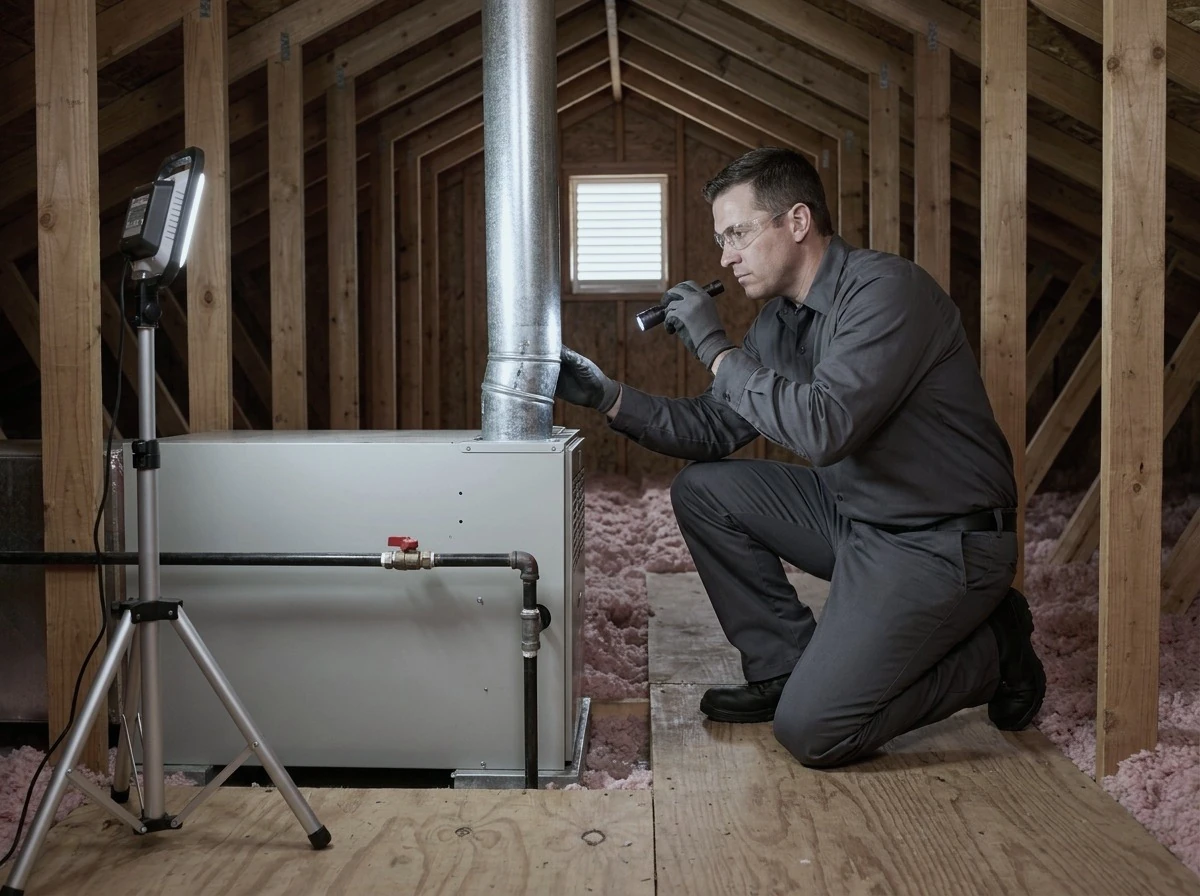
Clear the space around the furnace
Attic and garage furnaces tend to collect storage boxes, paint cans and holiday decorations over the summer. Keep combustible items well away from the cabinet and the flue, and never store gasoline, solvents or aerosol cans near a gas appliance. The furnace also needs a clear path for combustion air, so do not block vents or louvered closet doors.
Replace the air filter
A clogged filter restricts airflow across the heat exchanger and can cause the furnace to overheat and shut down on its safety limit. Replace or clean the filter before the first cold front, then check it monthly through the heating season. In homes with pets or ongoing remodeling, it may need changing more often.
Look at the flame and burners
If your furnace has a sight glass or an opening where the burners are visible, the flames should look mostly blue and steady. Flames that are largely yellow, lazy or flickering can point to dirty burners or a combustion problem. Do not remove panels or adjust the gas valve yourself; note what you see and have a qualified technician look at it.
Check the venting and flue
Follow the vent pipe from the furnace to where it leaves the house. Joints should be connected and sealed, with no gaps, rust holes, sagging sections or signs of soot. The EPA notes that worn or poorly adjusted combustion devices can be significant carbon monoxide sources, or if the flue is improperly sized, blocked, disconnected, or is leaking. If anything looks loose or damaged, keep the furnace off until it is repaired.
Watch for heat exchanger warning signs
The heat exchanger keeps combustion gases separate from the air that circulates through your home. Cracks are hard to see without a professional inspection, but warning signs include soot around the burners, a burning or sharp chemical smell, the furnace shutting off repeatedly and carbon monoxide alarms sounding. An older furnace with these symptoms deserves a careful look, and our guide to planning around heating system age helps you weigh repair against replacement.
If you smell gas, leave first
A rotten egg smell near a gas appliance is a reason to act, not to investigate. Do not switch lights or appliances on or off, do not light anything, get everyone out of the house and call your gas utility or 911 from outside. Only return when the utility or the fire department says it is safe.
Heat Pump and Electric Heat Checklist
Heat pumps do not burn fuel, so they carry no combustion risk of their own. Their safety points are electrical and mechanical.
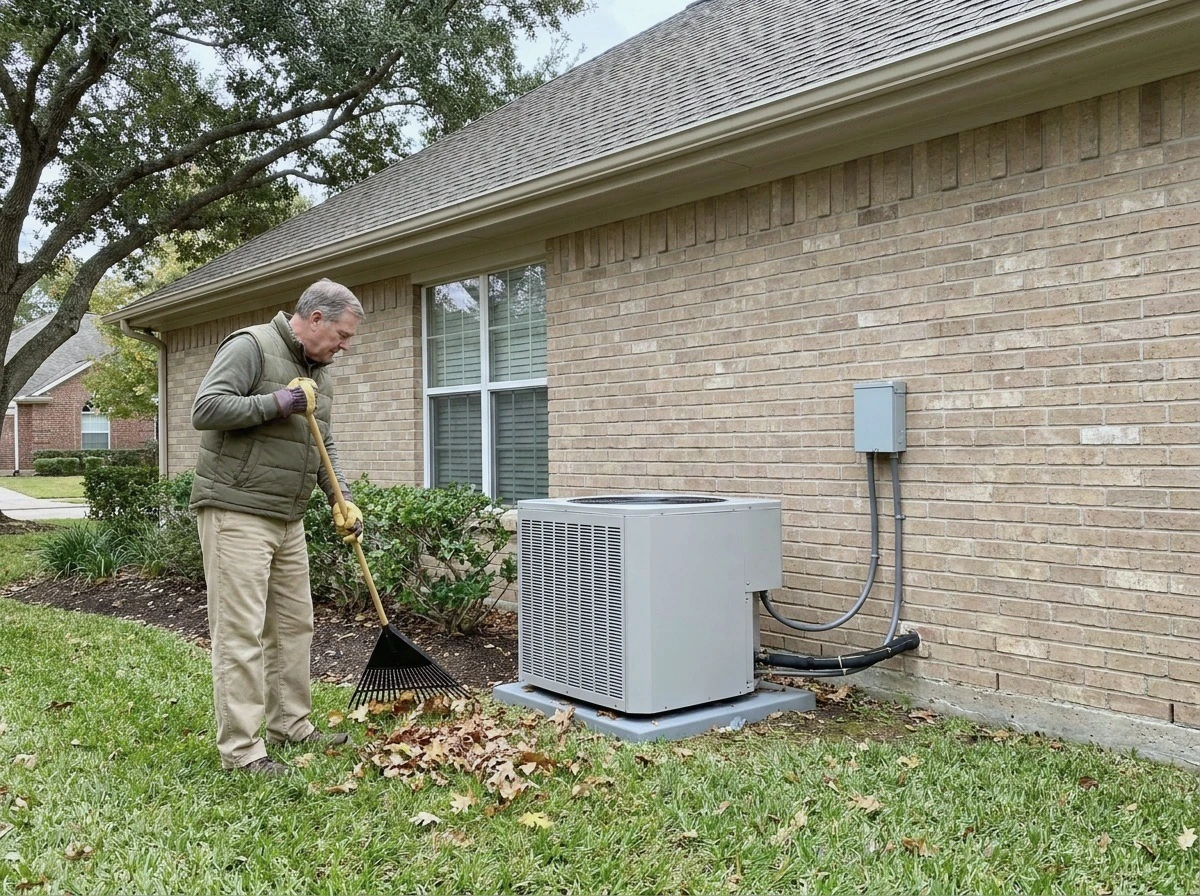
Clear the outdoor unit
Fall leaves, grass clippings and overgrown shrubs can pile up around an outdoor heat pump. Keep a clear space around the cabinet so it can move air freely, and make sure nothing is leaning against the coil. In a cold snap, a heat pump will also run defrost cycles; a little steam from the unit is normal, but thick ice that does not clear is a reason to call for service.
The first-run smell
The first time heat strips or a furnace run each season, burning dust can produce a brief smell. That is common and should fade quickly once the system has run for a while. A smell that lingers, gets stronger or smells like melting plastic or hot wiring is different: turn the system off at the thermostat and have it checked.
Breakers and wiring warning signs
Electric heat strips draw a heavy load. A breaker that trips repeatedly when the heat comes on, scorch marks near the air handler, buzzing or crackling sounds, or a warm electrical panel are warning signs. Do not keep resetting a breaker that trips again; a qualified technician or electrician should find the cause.
Space heaters need extra care
Portable space heaters often come out during a Houston cold snap, and they deserve their own spot on the checklist. Set each heater on a hard, level surface away from curtains, bedding and furniture, plug it directly into a wall outlet rather than an extension cord, and turn it off when you leave the room or go to sleep. Never use an unvented gas or kerosene space heater indoors; the EPA lists unvented kerosene and gas space heaters among household carbon monoxide sources.
Auxiliary heat during hard freezes
Most heat pump thermostats include an auxiliary heat setting, sometimes labeled differently, that runs the heat strips alone. It is useful when the outdoor unit cannot keep up during a hard freeze, but it uses far more electricity than normal heat pump operation and puts a heavy load on the wiring. Use it only when needed and switch back when temperatures recover.
Carbon Monoxide and Smoke Alarm Checklist
Alarms are your last line of defense when something goes wrong with a fuel-burning appliance. Checking them takes minutes.
Where carbon monoxide alarms belong
The EPA's guidance on placing carbon monoxide detectors says each floor of the home needs a separate detector, and that a single detector belongs near the sleeping areas, loud enough to wake you up. Any home with a gas furnace, gas water heater, gas stove, fireplace or attached garage should have them.
Test them and keep them powered
The same EPA guidance says battery-powered alarms should be tested weekly and their batteries replaced at least once a year. Test smoke alarms on the same schedule, and replace any alarm that has reached the end of the service life stated by its manufacturer. Never borrow an alarm's battery for something else.
Know the symptoms
According to the EPA, carbon monoxide can cause headaches, dizziness, confusion, nausea and flu-like symptoms that clear up after leaving home. If several people in the house feel unwell at once, especially when the heat is running, get everyone outside to fresh air and call for help.
Your checklist at a glance
| Checklist item | What to look for | When to call a professional |
|---|---|---|
| Space around the furnace | Clear of storage, chemicals and blocked vents | Combustion air openings are blocked or damaged |
| Air filter | Clean filter installed before the season | Furnace still overheats or shuts off with a clean filter |
| Burner flame | Mostly blue, steady flames | Yellow, lazy or flickering flames, or soot |
| Vent and flue | Connected, sealed joints with no rust or gaps | Any loose, disconnected or corroded section |
| Heat pump outdoor unit | Clear coil and space around the cabinet | Ice that does not clear or unusual noises |
| Electrical | No scorch marks, buzzing or repeated breaker trips | Any breaker that trips again after a reset |
| Alarms | Carbon monoxide and smoke alarms tested and powered | An alarm sounds or keeps chirping after new batteries |
How Our Team Approaches Heating Replacement
Safety checks sometimes reveal that a heating system is near the end of its useful life. When that happens, a planned replacement is safer than waiting for a midwinter failure.
When a checklist points to replacement
Repeated safety shutdowns, a suspected cracked heat exchanger, corroded venting on an aging furnace or a heat pump that struggles every cold snap are all reasons to start comparing options. Our pillar guide to heating technology in 2026 explains how today's heat pumps and furnaces compare for Houston homes.
An in-home evaluation comes first
Our team focuses on new system installations and full replacements. Every job starts with an in-home evaluation that looks at your insulation, ductwork, ceiling heights, window orientation and airflow distribution, so the new equipment fits the house. Heat pumps are a strong fit for our mild winters, and a dual fuel system can make sense where gas service exists and you want backup heat for hard freezes. If the cooling side is due as well, pairing the project with ac installation & replacement keeps the indoor and outdoor components matched.
Warranty, financing and service areas
VeriChill installations come with a warranty of 10 years parts and compressor, with VeriChill handling the 90-day registration. For qualified homeowners, financing is available through Wells Fargo, Synchrony Bank and Goodleap. Texas HVAC licensing is held at the company level, and we provide heating system installation services and home hvac systems across Houston, Cypress, Katy, Spring, Sugar Land and Tomball.
Key Takeaways
- Run through a heating system safety checklist before the first cold front, since Houston systems sit idle for most of the year.
- Keep the area around a gas furnace clear, replace the filter and look for steady blue flames and sealed, intact venting.
- Heat pumps and heat strips need a clear outdoor unit, sound wiring and breakers that do not trip repeatedly.
- A gas smell means everyone leaves the house first and calls the gas utility or 911 from outside.
- Put a carbon monoxide alarm on each floor and near sleeping areas, and test battery-powered alarms weekly.
- Repeated shutdowns, soot, corroded venting or a suspected cracked heat exchanger call for a professional inspection.
Frequently Asked Questions
How often should a furnace have a safety inspection?
Once a year, before the heating season, is a sensible rhythm for most gas furnaces. A professional inspection can check the burners, flame, heat exchanger, venting, gas connections and safety controls, which are hard to judge from the outside. In Houston, early fall works well because technicians can find problems before the first cold front. Between inspections, change the filter, keep the area clear and watch for warning signs such as soot, odd smells or repeated shutdowns.
What are the signs of a cracked heat exchanger?
A cracked heat exchanger is hard to see without a professional inspection, but there are warning signs. Look for soot around the burners or vent, flames that turn yellow or flicker when the blower starts, a sharp or burning smell, the furnace shutting off repeatedly and carbon monoxide alarms sounding. Family members with headaches or nausea that ease when they leave the house are another clue. If you notice any of these, turn the furnace off and call a qualified technician.
Is it normal for my heater to smell like burning the first time I turn it on?
A brief burning dust smell the first time a furnace or heat strips run each season is common. Dust settles on burners and heating elements during the long Houston off season, and it burns off when the system heats up. The smell should fade quickly once the system has run for a while. If it lingers, grows stronger, or smells like melting plastic, hot wiring or gas, turn the system off and have it checked before using it again.
Where should carbon monoxide detectors go in a house?
The EPA recommends a separate carbon monoxide detector on each floor of the home. If you have only one, place it near the sleeping areas and make sure the alarm is loud enough to wake you. Homes with a gas furnace, gas water heater, gas stove, fireplace or attached garage should all have them. Follow the manufacturer's installation instructions, test battery-powered units weekly and replace their batteries at least once a year.
Do heat pumps produce carbon monoxide?
No. A heat pump moves heat with electricity and refrigerant and does not burn fuel, so it does not produce carbon monoxide on its own. Many Houston homes with heat pumps still have other fuel-burning appliances, such as a gas water heater, gas stove, fireplace or a car in an attached garage. Those homes still need carbon monoxide alarms. A heat pump's safety points are electrical: sound wiring, proper breakers and a clear outdoor unit.
Conclusion
A heating system safety checklist takes less than an hour and covers the problems that matter most: blocked space around the equipment, dirty filters, unhealthy flames, damaged venting, electrical warning signs and alarms that no longer work. In Houston, where heating equipment sits idle for months and then runs hard during a cold snap, that hour before the first cold front is time well spent.
Some findings are simple fixes, and some point to a system that has reached the end of its safe service life. Knowing the difference, and calling a qualified professional when gas, sparks or carbon monoxide are involved, keeps your family safe through every cold night.
If your checklist suggests it may be time for a new heating system, VeriChill can help you compare options. Call VeriChill at 281-559-6995 or contact our team to schedule an in-home evaluation.